
Ghibli Museum, Mitaka (三鷹の森ジブリ美術館)
A Ghibli museum with no set route, made for wandering
Quick facts
| Hours | 10:00–18:00 |
|---|---|
| Last entry | The last entry slot is 16:00 (slots on the hour from 10:00 to 16:00; enter within 1 hour of your slot). No time limit once inside |
| Fees | Adults and university students 1,000 yen / junior high and high school students 700 yen / elementary school students 400 yen / children aged 4 and over 100 yen / under 4 free (no booking needed). A 110 yen system fee per ticket |
| Closed | Tuesdays. Other closed days and longer closures change each fiscal year (check the official website) |
| Reservations | Required (timed entry). No tickets at the museum. From overseas, book through Lawson Ticket’s English site or the JTB group; in Japan, Lawson Ticket (L-tike) releases the next month’s tickets at 10:00 on the 10th of each month. See the official ticket page |
| Best time to visit | The 10:00 slot right after opening (later slots are busier). Book weekend and holiday dates early |
| Time needed (approx.) | 2–3 hours; longer with a film and the café |
| Access notes | About 15 min on foot along the Tamagawa Josui from the South Exit of JR Mitaka Station (Chuo Line), or about 5 min by community bus. About 15 min on foot from Kichijoji Station (JR Chuo Line / Keio Inokashira Line) or Inokashira-koen Station (Keio Inokashira Line). No parking |
| Checked / official info | Checked on November 21, 2026 Official website |
What is the Ghibli Museum, Mitaka? | History
The Ghibli Museum, Mitaka (三鷹の森ジブリ美術館) is a museum about the films of Studio Ghibli, the Japanese animation studio, and about how animated films are made. It stands in the west section of Inokashira Park (井の頭恩賜公園) in Mitaka City (三鷹市), on the western side of Tokyo, and opened in 2001. The building is said to have been conceived by Hayao Miyazaki (宮崎駿), the director of Ghibli films such as My Neighbor Totoro. There is no set route inside: true to the museum’s slogan, “Let’s get lost together,” you find your own way along spiral staircases and walkways.
Highlights
A film-strip ticket and the open central hall
The big Totoro, the forest spirit from My Neighbor Totoro, standing by the sign along the park is a “fake reception”; the real entrance is in the white building beyond. At reception you receive a ticket made from real 35mm film that can be used to screen a movie, and you will not know which scene you have until it is in your hand. Stained glass with characters and flowers fills the entrance windows, and the central hall, open from the basement to the second floor, is a maze of spiral stairs, walkways and terraces.
“Where a Film is Born” and the Saturn Theater
The permanent exhibition on the first floor, “Where a Film is Born,” is a set of five small rooms. Books, sketches and half-finished drawings lie around a recreated workplace, and you can follow how an idea grows into a finished film. In the basement, the Saturn Theater (土星座) is a small cinema for about 80 people that shows original short animations made by Studio Ghibli for this theater, among other works; the program changes from period to period. The temporary exhibition also changes over time.
A film museum in Kamakura
Where the Saturn Theater screens short animations, the Kamakura City Kawakita Film Museum (鎌倉市川喜多映画記念館) in Kamakura (鎌倉) shows film materials and screens films. It stands on the site of the former home of Kawakita Nagamasa (川喜多長政) and his wife Kashiko, a couple who devoted themselves to the growth of cinema.
The Catbus room and the rooftop Robot Soldier
On the second floor is a room where you can touch and climb on the Catbus, the bus-shaped cat from My Neighbor Totoro; only children of elementary school age and younger can play on it, taking turns. A spiral staircase beside the room leads to the rooftop garden, where a Robot Soldier about 5 m tall from Castle in the Sky, another Miyazaki film, stands as the museum’s guardian. There is also the Straw Hat Café (麦わらぼうし) and the museum shop Mamma Aiuto (マンマユート), which sells goods found only at the museum.
Access and opening hours
The nearest station is Mitaka Station (三鷹駅) on the JR Chuo Line. From the South Exit it is about a 15-minute walk along the Tamagawa Josui (玉川上水), an old waterway, with signs pointing to the museum, or about 5 minutes by community bus. Kichijoji Station (吉祥寺駅) on the JR Chuo Line and Keio Inokashira Line, and Inokashira-koen Station (井の頭公園駅) on the Keio Inokashira Line, are also about 15 minutes away on foot. From Shinjuku Station, the Chuo Line Rapid takes about 20 minutes to Mitaka; from Tokyo Station it takes about 35 minutes. There is no parking.
Entry is by timed reservation only, and the museum does not sell tickets at the door. From overseas you can book through Lawson Ticket’s English site or the JTB group; in Japan, tickets are sold on the Lawson Ticket website, with the next month’s tickets released together on a set day each month. You can choose an e-ticket shown on your smartphone or a paper ticket printed at a Lawson convenience store. Entry slots start every hour, and you must enter within 1 hour of your slot; there is no time limit, so you can stay until closing. Re-entry is not allowed. Children under 4 need no ticket or booking. Besides Tuesdays, the museum closes on other days and for longer periods that change each year, so check the official website before you go.
Photos and videos are not allowed inside the museum. You can take pictures outdoors, such as of the Robot Soldier in the rooftop garden or the Totoro at reception, but take care not to include other visitors. Eating, drinking and phone use are not allowed inside. Strollers must be left in the stroller area at the entrance, so a baby carrier is handy. The elevators run from the basement to the second floor but not to the roof, and wheelchairs can be borrowed free of charge. One exhibit in the basement uses flashing strobe lights.
Best time to visit
Allow about 2–3 hours, or longer if you watch a film at the Saturn Theater and visit the café. Weekend and holiday tickets can sell out soon after release, so book as soon as your dates are fixed. A line can form at the entrance for the first slot after opening, but it gets busier inside with each later slot, and if you enter late you have less time before closing. In bad weather the rooftop and the first-floor café deck may close. The spiral stairs can be seen from below, so a skirt may feel uncomfortable.
Nearby spots
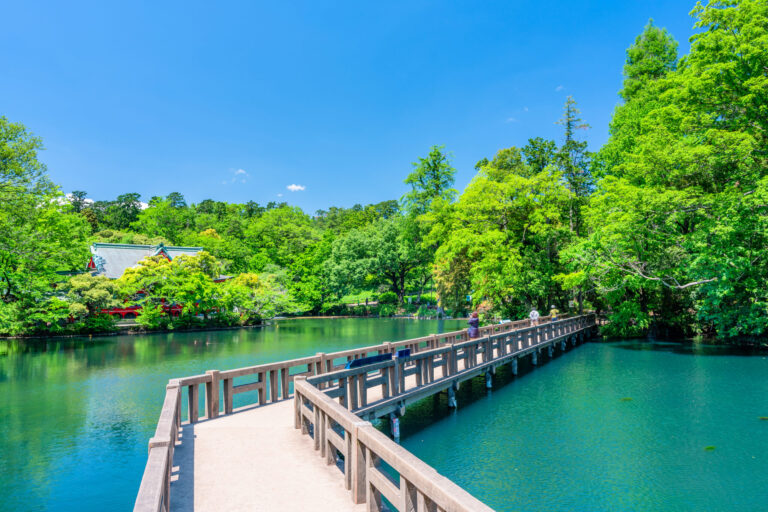
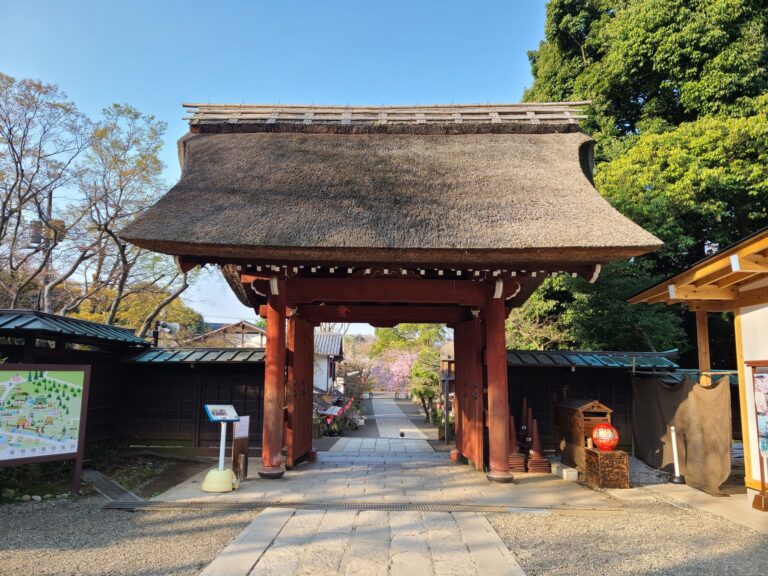
The museum is inside the west section of Inokashira Park, so you can stroll through the park on the walk of about 15 minutes to Kichijoji Station. From Mitaka or Kichijoji Station, an Odakyu bus bound for Jindaiji takes you to Jindaiji Temple (深大寺).
Summary
At the Ghibli Museum, Mitaka, you wander a building with no set route and come across a recreated animation workplace, short films made for the Saturn Theater, the Catbus and the Robot Soldier on the roof. Book your timed ticket early.
Basic information
| Item | Details |
|---|---|
| Name | Ghibli Museum, Mitaka (三鷹の森ジブリ美術館 / Mitaka City Animation Museum, 三鷹市立アニメーション美術館) |
| Address | 1-1-83 Shimorenjaku, Mitaka City, Tokyo (inside the west section of Inokashira Park) |
| Highlights | 35mm film-strip ticket, open central hall, permanent exhibition “Where a Film is Born,” Saturn Theater, Catbus room, Robot Soldier in the rooftop garden |
| Things to do | Viewing the exhibitions; original short animations at the Saturn Theater (once per person); the Catbus (elementary school age and younger); reading room; shop; café |
| Hours | 10:00–18:00 (entry slots on the hour from 10:00 to 16:00; enter within 1 hour of your slot; no time limit) |
| Closed | Tuesdays. Other closed days and longer closures change each fiscal year |
| Admission | Adults and university students: 1,000 yen / junior high and high school students: 700 yen / elementary school students: 400 yen / children aged 4 and over: 100 yen / under 4: free. A 110 yen system fee per ticket |
| Reservations | Timed reservation only (no tickets at the museum). Lawson Ticket website; next month’s tickets go on sale at 10:00 on the 10th. From overseas: Lawson Ticket English site or the JTB group. E-ticket or paper ticket from a Lawson store |
| Access | About 15 min on foot or 5 min by community bus from the South Exit of JR Mitaka Station / about 15 min on foot from Kichijoji Station or Inokashira-koen Station |
| Parking | None |
| Notes | No photos or videos inside. No re-entry. No eating, drinking or phone use inside. Strollers left at the stroller area. No elevator to the roof. The rooftop and café deck may close in bad weather. One basement exhibit uses flashing strobe lights. No pets (assistance dogs allowed) |
| Toilets | Available (accessible toilets, baby-changing tables; ask staff about nursing) |
| Phone | 0570-055777 |
| Official website | https://www.ghibli-museum.jp/ |
Information checked on November 26, 2026 (opening hours, closing days and admission fees) / Official source checked: Ghibli Museum, Mitaka official website
Google Map
Nearby sights

In the same park (about 15 min on foot to Kichijoji Station)

Odakyu bus bound for Jindaiji, from Mitaka or Kichijoji Station

Head on from Tokyo to Kamakura
From Mitaka Station, the Chuo Line Rapid and the JR Shonan-Shinjuku Line reach Kamakura in about 1 hour 30 minutes. Change to the Shonan-Shinjuku Line at Shinjuku (the museum is about a 15-minute walk from Mitaka Station). Trains bound for Zushi or Yokosuka run straight through; on trains bound for Odawara, change to the Yokosuka Line at Ofuna. Temples, shrines and the sea: discover the old capital in our Kamakura Travel Guide.