
Tokyo Station Marunouchi Building (東京駅丸の内駅舎)
A red-brick station still in use, its domes restored
Quick facts
| Hours | Exterior and dome halls: no set hours. Tokyo Station Gallery: 10:00–18:00 (Fri until 20:00) |
|---|---|
| Last entry | Gallery: 30 min before closing (17:30; Fri 19:30) |
| Fees | Exterior and domes free. Gallery admission varies by exhibition |
| Closed | Station building: never. Gallery: Mondays (the following day if Monday is a holiday), New Year holidays and between exhibitions |
| Reservations | Not needed |
| Best time to visit | After dark, when the building is lit up, or just after rain, when it is reflected in the plaza |
| Time needed (approx.) | 30 min–1 hour (exterior and both domes) |
| Access notes | The domes rise directly above the Marunouchi North and South Exit ticket gates; look up from outside the gates. The ground-level Marunouchi Central Exit gate is IC card only (paper tickets: North or South Exit). The gallery entrance is on the left inside the dome after leaving the North Exit gates |
| Checked / official info | Checked on Nov 19, 2026 Official website (Tokyo Station City) |
What Is the Tokyo Station Marunouchi Building (東京駅丸の内駅舎)? | History and Origins
The Tokyo Station Marunouchi Building (東京駅丸の内駅舎) is the red-brick station building on the Imperial Palace side of Tokyo Station, in use since the station opened in 1914. It was designed by Tatsuno Kingo (辰野金吾), a leading Japanese architect of the late 1800s and early 1900s. The long building runs north to south with a round dome at each end, and people often simply call it the “red-brick station building.” Its name as a national Important Cultural Property is Tokyo-eki Marunouchi Honya (東京駅丸ノ内本屋). It is still a working station, and the building also houses Tokyo Station Gallery (東京ステーションギャラリー) and the Tokyo Station Hotel (東京ステーションホテル).
Air raids in World War II burned the roof and domes, and after the war the three-story building was rebuilt with only two floors and used that way for decades. The three stories and domes you see today come from a preservation and restoration project completed in 2012, which returned the building to its original form. The first and second floors keep the original bricks, while the third floor was rebuilt on a new frame and faced with decorative brick. The roof is covered in natural slate, a stone that splits into thin sheets.
The central entrance on the front is reserved for the Imperial Family, Japan’s family of emperors, and normally stays closed to the public. The station building appears on the back of the 10,000-yen banknote issued from 2024.
Highlights
Ceilings of the North and South Domes
The two domes stand directly over the Marunouchi North Exit (丸の内北口) and Marunouchi South Exit (丸の内南口), and each hall beneath a dome holds ticket gates. When the station opened, the south dome was the entrance for departing passengers and the north dome the exit for arrivals. Eight eagles with spread wings line the corners of the octagonal ceiling, and below them are eight reliefs of the zodiac animals, the twelve animals of the traditional East Asian calendar used to count years. Only eight of the twelve appear: the rat, rabbit, horse and rooster are missing. Part of the arch decoration in the south dome uses original plaster pieces that survived above the postwar ceiling, reinforced and put back; they are the sections that look dark. The floor pattern of each dome copies the ceiling design added during the postwar rebuilding. Inside the north dome, a space that was a waiting room when the station opened now holds a cafe.
Brick Galleries of Tokyo Station Gallery
Tokyo Station Gallery is an art museum inside the station building, entered on the left inside the dome after you leave the Marunouchi North Exit gates. The gallery walls leave the original structural brick and steel frame exposed, including wooden bricks (brick-shaped wooden blocks) blackened by fire during the air raids. A spiral staircase with stained glass and a chandelier rises in the octagonal tower at the north end, and the second-floor corridor has a permanent display of models and photographs on the history of the station building. Some exhibitions do not allow photos of the artworks, but the staircase and brick walls can sometimes be photographed.
Views from the Station Plaza and Gyoko-dori Avenue
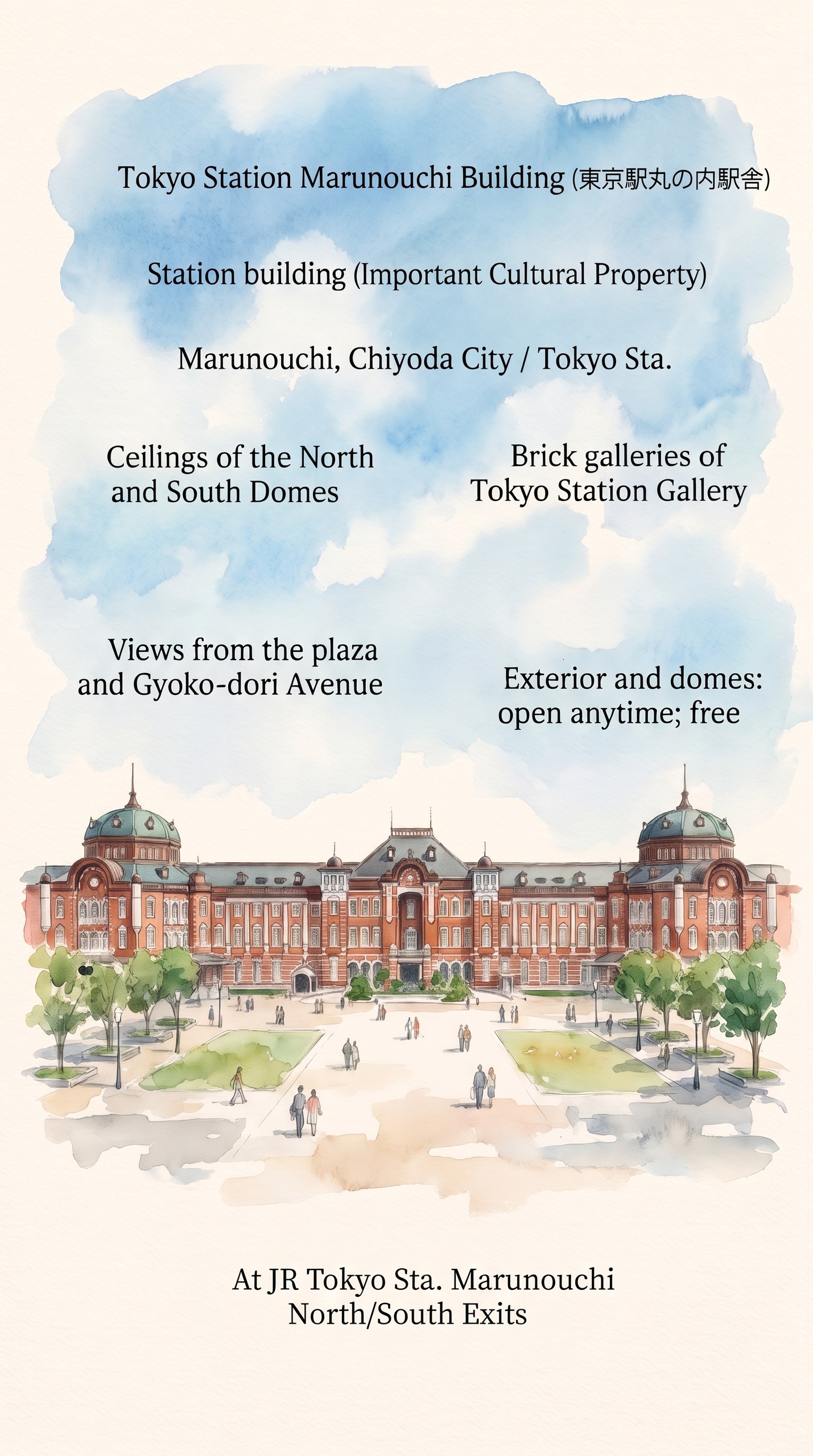
To see the whole building, look from the plaza in front of the station or from somewhere a little higher. The center of the station plaza is a pedestrian space where you can sit down, rest and look at the building. From Gyoko-dori Avenue (行幸通り), a tree-lined avenue running straight from the station to the Imperial Palace, the building lines up directly in front of you.
Looking Down from Rooftops and Terraces
The rooftop garden on the 6th floor of KITTE, a shopping complex across from the station, looks down on the station building and on the shinkansen (bullet trains) and trains coming and going along the tracks. From the outdoor terrace on the 5th floor of the Marunouchi Building (丸ビル) across the plaza, you see the south dome at almost eye level. The rooftop and terrace close in bad weather.
Access and Opening Hours
The two domes sit directly above the Marunouchi North and South Exit ticket gates of JR Tokyo Station, and you can see the ceilings from outside the gates, so no train ticket is needed. The ground-level Marunouchi Central Exit (丸の内中央口) gate accepts IC transit cards only; with a paper ticket, use the North or South Exit gates. Baggage storage is available outside the Marunouchi North Exit gates and elsewhere.
You can view the exterior and domes without a reservation. Allow about 30 minutes to 1 hour to look at the exterior and both domes. Tokyo Station is large inside, so give yourself extra time if you visit between trains. Tokyo Station Gallery’s closing time varies by day and it closes between exhibitions, so check the table before you go. The gallery has an elevator, lends wheelchairs and strollers, and has a multipurpose restroom on the 2nd floor.
Best Time to Visit
After dark, the brick building is lit up against the lights of the office towers behind it. On rainy days and just after rain, it is reflected in puddles and on the wet paving of the plaza. The ginkgo trees along Gyoko-dori Avenue usually turn yellow in late November, and you can photograph them together with the station. Inside the building and around the gates, it is busy day and night with travelers and people taking photos.
Nearby Spots
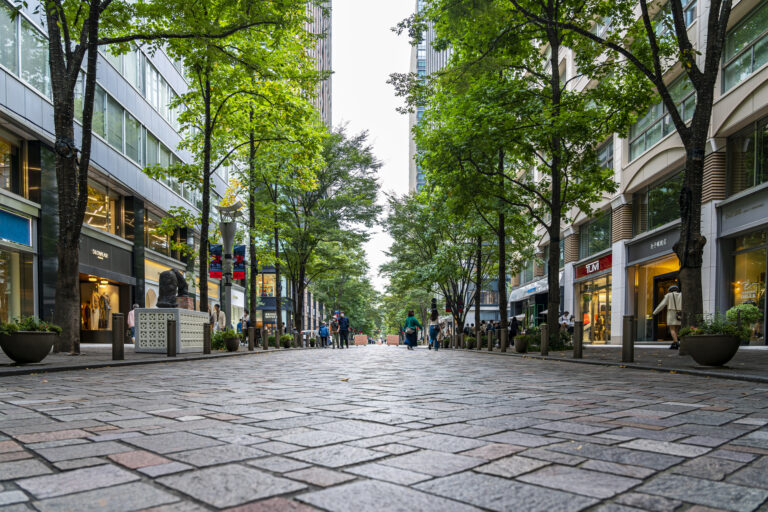
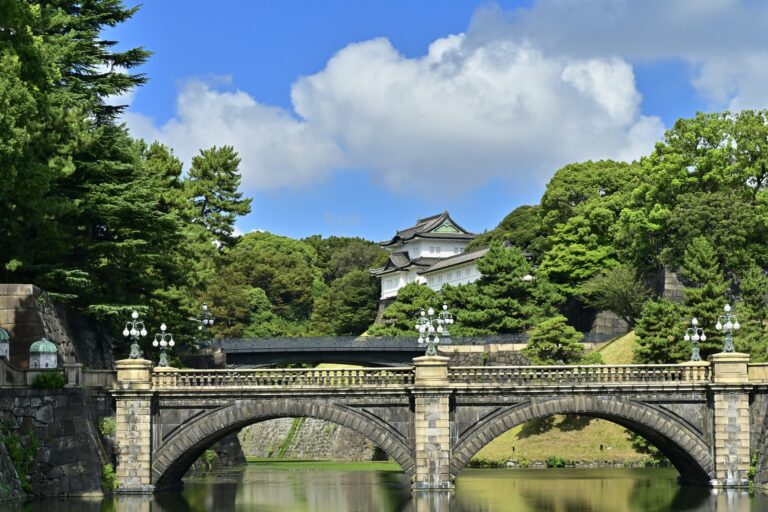
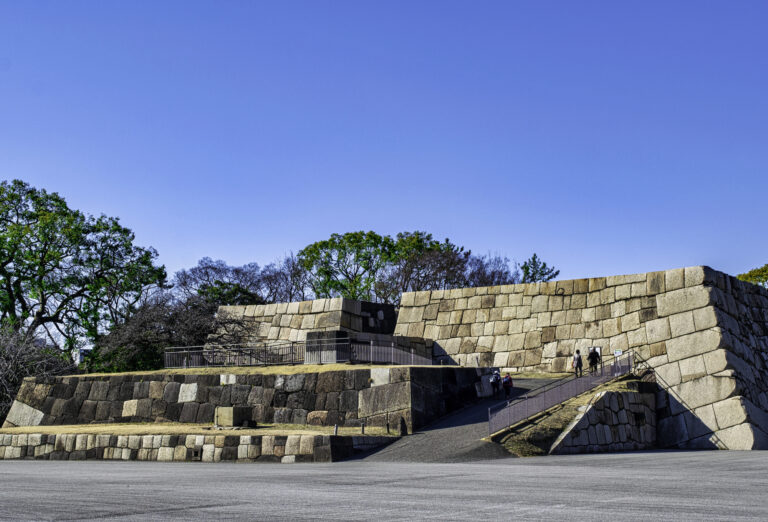
Marunouchi Naka-dori (丸の内仲通り), a street lined with paving stones and trees, starts just outside the Marunouchi South Exit. About 15 minutes’ walk from Tokyo Station brings you to the Imperial Palace Plaza (皇居前広場), with a view of Nijubashi Bridge (二重橋), the bridge in front of the palace’s main gate. From the Marunouchi North Exit, it is about 15 minutes on foot to the Otemon Gate (大手門) of the East Gardens of the Imperial Palace (皇居東御苑), a garden open on the site of the main enclosures of Edo Castle (江戸城), the shogun’s castle in the 17th–19th centuries.
Summary
The Tokyo Station Marunouchi Building is a working red-brick station that the 2012 restoration returned to its original three stories and domes. Look up at the dome ceilings from the halls outside the gates, then take in the whole building from the station plaza and nearby rooftops.
Basic Information
| Item | Details |
|---|---|
| Name | Tokyo Station Marunouchi Building (東京駅丸の内駅舎; Important Cultural Property name: Tokyo-eki Marunouchi Honya (東京駅丸ノ内本屋)) |
| Address | 1-1-3 Marunouchi, Chiyoda City, Tokyo |
| Highlights | Red-brick exterior restored to its original look, north and south dome ceilings (eight eagles and eight zodiac animals), original plaster pieces in the south dome, original brick walls and spiral staircase of Tokyo Station Gallery, front view from Gyoko-dori Avenue |
| Things to do | Look up at the dome ceilings from outside the gates, view the building from the station plaza, look down from the KITTE rooftop garden or Marunouchi Building terrace, see the building lit up after dark or reflected after rain, walk the brick galleries of the gallery |
| Hours | Exterior and dome halls: no set viewing hours (station facility). Tokyo Station Gallery: 10:00–18:00 (Fridays until 20:00), last entry 30 min before closing |
| Closed | Station building: none. Tokyo Station Gallery: Mondays (the following day if Monday is a holiday), New Year holidays, between exhibitions |
| Admission | Exterior and north/south domes: Free (Tokyo Station Gallery admission varies by exhibition) |
| Access | JR Tokyo Sta. Marunouchi North/South Exits (domes directly above each gate). Marunouchi Central Exit gate is IC card only |
| Notes | Central entrance reserved for the Imperial Family. Busy all day inside the building and around the gates. Photos not allowed in some gallery exhibitions; no parking. KITTE rooftop garden and Marunouchi Building terrace close in bad weather |
| Restrooms | Multipurpose restroom on Tokyo Station Gallery 2F (baby seat, ostomate facilities; for gallery visitors) |
| Official website | https://www.tokyostationcity.com/ |
Information checked on November 26, 2026 (opening hours and closing days of the Tokyo Station Gallery) / Official source checked: Tokyo Station Gallery official website
Google Map
Nearby sights

Just outside the South Exit
About 15 min on foot

About 15 min on foot

Head on from Tokyo to Kamakura
From Tokyo Station, the JR Yokosuka Line reaches Kamakura in about 1 hour. Temples, shrines and the sea: discover the old capital in our Kamakura Travel Guide.