
Tokyo Metropolitan Government Building Observatories (東京都庁展望室)
Free observation decks high up in Tokyo’s city hall
Quick facts
| Hours | South Observatory 9:30–22:00; North Observatory 9:30–17:30 (until 22:00 on days the South Observatory is closed) |
|---|---|
| Last entry | 30 minutes before closing (South 21:30, North 17:00) |
| Fees | Free |
| Closed | As a rule, the South Observatory closes on the 1st and 3rd Tuesday of each month and the North Observatory on the 2nd and 4th Monday (the next weekday if that day is a public holiday). Also closed at year-end/New Year and on building inspection days (some days only change hours). Check the exact days and hours on the official opening calendar |
| Reservations | Not needed |
| Best time to visit | Mornings and midday are usually quieter. Mt. Fuji is easiest to see on clear mornings from December to February |
| Time needed (approx.) | 30 minutes for one observatory, 1 hour for both |
| Access notes | 1 min on foot from Exit A4 of Tochomae Station (Toei Oedo Line); about 10 min from the West Exit of JR Shinjuku Station. The South and North observatories have separate elevators and are not connected on the 45th floor |
| Checked / official info | Checked on November 17, 2026 Official website (Japanese) |
What Are the Tokyo Metropolitan Government Building Observatories (東京都庁展望室)? | History and Origins
The Tokyo Metropolitan Government Building Observatories (東京都庁展望室) are two free observation decks on the 45th floor of Main Building No. 1 (第一本庁舎) of the Tokyo Metropolitan Government, 202 m above Nishi-Shinjuku (西新宿). From the 33rd floor up, the building splits into two towers, and each tower has its own deck: the South Observatory and the North Observatory.
The building was designed by the architect Kenzo Tange (丹下健三) and completed in 1991. Its twin towers are said to take their cue from Notre-Dame Cathedral in Paris.
Highlights
South Observatory and the Tocho Omoide Piano
The South Observatory is the deck that stays open into the night. It holds the Tocho Omoide Piano (都庁おもいでピアノ, “Tokyo City Hall Memories Piano”), decorated under the supervision of Yayoi Kusama (草間彌生), the avant-garde artist known worldwide for her polka dots. Anyone may play it during set time slots, up to five minutes per person (slots are listed under Basic Information and can change on event days). The interior uses calm colors so that indoor lights reflect less in the windows at night, and there is a viewing deck made of wood from the Tama area (多摩) of western Tokyo, plus spots where wheelchair users can get right up to the glass. You will also find the souvenir shop GIFT SHOP TOKYO Mikke! and a café. During the day, an observatory guide service explains the view in English, Korean or Chinese in about 20 minutes (times under Basic Information); it cannot be booked in advance.
North Observatory
The North Observatory closes earlier than the South and has a café and a shop. Its north side holds an exhibition area with items from the Tokyo 2020 Olympic and Paralympic Games, held in 2021, such as torch relay torches and the victory bouquets presented to medalists. On days the South Observatory is closed, the North Observatory stays open into the evening instead.
Views of Tokyo and Mt. Fuji
Look northeast for Tokyo Skytree (東京スカイツリー), southwest for the towers of Shinjuku Park Tower and Tokyo Opera City, and southeast for the green of Shinjuku Gyoen National Garden (新宿御苑) and the forest of Meiji Jingu (明治神宮), a shrine dedicated to Emperor Meiji, who reigned as Japan modernized in the late 19th century. Mt. Fuji (富士山) lies to the west. It shows most often in the clear air of December to February, though haze can hide it. In early February and early November, “Diamond Fuji” is said to be visible as the setting sun sits right on the summit. At night the city lights spread out below, but indoor lights reflect in the glass, which makes photos tricky. Tripods, monopods, reflectors, blackout cloths and fixed-camera shooting are not allowed.
Access and Opening Hours
The observatories are 1 minute on foot from Exit A4 of Tochomae Station (都庁前駅) on the Toei Oedo Line, and about 10 minutes from the West Exit of JR Shinjuku Station (新宿駅). Dedicated observatory elevators leave from the 1st floor of Main Building No. 1 and reach the 45th floor in about 55 seconds. There is a bag check before the elevators, where you open your bag for staff to look inside. The South and North observatories use separate elevators and are not linked on the 45th floor, so to see both you go back down to the 1st floor and ride up again.
The two decks keep different hours and close on different days (see Quick facts). Entry is free and no reservation is needed. Around the year-end/New Year holidays and on building inspection days, both may close or keep different hours, so the Tokyo Metropolitan Government lists the exact days and hours on an opening calendar. Sudden changes, for example because of weather, are posted on the observatories’ official X account (@tocho_tenbou). Allow about 30 minutes for one observatory, or about 1 hour for both.
Best Time to Visit
Mornings and midday are usually quieter; from late afternoon into the night-view hours, lines tend to form at the elevators and window spots fill up. For Mt. Fuji, aim for a clear morning between December and February. Going up in the late afternoon lets you watch the sky turn from sunset to night. After dark, the free projection mapping show “TOKYO Night & Light” plays on the walls of Main Building No. 1; you watch it from outside, for example from Tomin Plaza (都民広場), not from the observatories. On weekdays, the staff cafeteria on the 32nd floor is also open to the public (only on days the government offices are open).
Nearby Spots
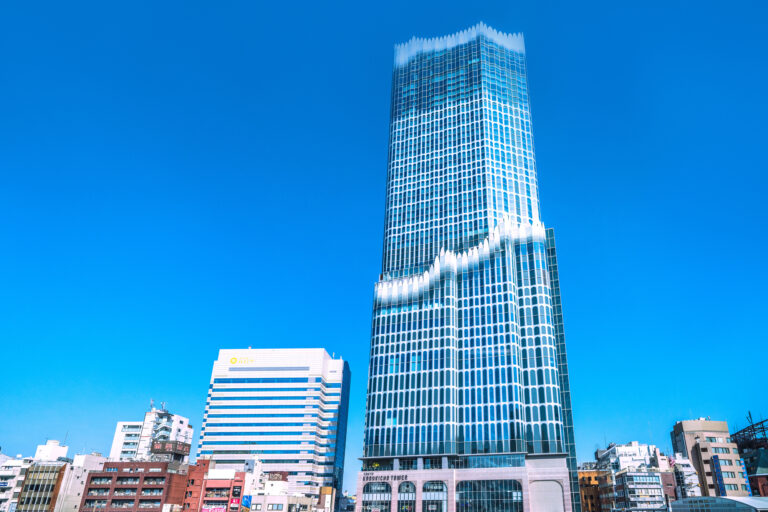
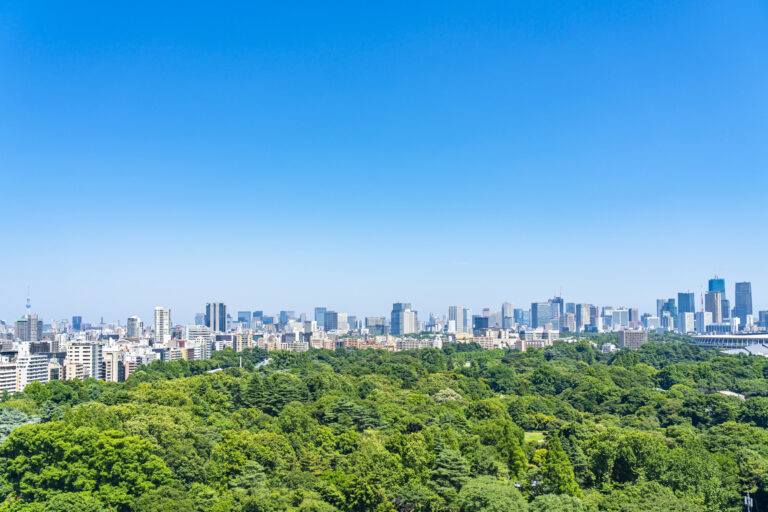
Across Shinjuku Station to the northeast lies Kabukicho (歌舞伎町), Shinjuku’s nightlife district, home to Tokyu Kabukicho Tower (東急歌舞伎町タワー) with its theaters and cinemas, about a 20-minute walk from the observatories. On the east side of the station, Shinjuku Gyoen National Garden lets you walk through the green you saw from above.
Summary
The Tokyo Metropolitan Government Building Observatories give you a free view over Tokyo from 202 m up. The South and North decks close at different times and on different days, so check the official opening calendar for your date before you go.
Basic Information
| Item | Details |
|---|---|
| Name | Tokyo Metropolitan Government Building Observatories (東京都庁展望室): South Observatory / North Observatory |
| Address | 45F, Tokyo Metropolitan Government Main Building No. 1, 2-8-1 Nishi-Shinjuku, Shinjuku-ku, Tokyo (東京都新宿区西新宿2-8-1) |
| Highlights | South and North observatories at 202 m, Tocho Omoide Piano (South), views of Tokyo Skytree, Shinjuku Gyoen and Mt. Fuji, Tokyo 2020 exhibition area (North), night views |
| Things to do | Free city views, playing the piano (10:00–12:00 / 14:00–16:00 / 19:00–21:00, up to 5 min per person), observatory guide service (English, Korean, Chinese, about 20 min, 10:00–15:00) |
| Hours | South Observatory 9:30–22:00 (last entry 21:30) / North Observatory 9:30–17:30 (last entry 17:00; until 22:00 on days the South Observatory is closed) |
| Closed | As a rule, South: 1st and 3rd Tuesday; North: 2nd and 4th Monday (next weekday if a public holiday); year-end/New Year; building inspection days. See the opening calendar |
| Admission | Free |
| Reservations | Not needed |
| Access | Toei Oedo Line Tochomae Sta. Exit A4, 1 min / JR Shinjuku Sta. West Exit, about 10 min |
| Notes | The two observatories are not connected on the 45th floor (separate elevators from 1F). Bag check before the elevators. No tripods, monopods, reflectors, blackout cloths or fixed-camera shooting. Temporary changes are posted on X (@tocho_tenbou) |
| Restrooms | Yes (multipurpose restrooms, ostomate-friendly restroom) |
| Phone | 03-5320-7890 (observatory information, weekdays 10:00–17:00, Japanese) |
| Official website | https://www.zaimu.metro.tokyo.lg.jp/tochousha/goannai/tenbou (Japanese) |
Information checked on November 26, 2026 (opening hours, closing days and admission fee) / Official source checked: Tokyo Metropolitan Government, Observatories
Google Map
Nearby sights

about 20 min walk

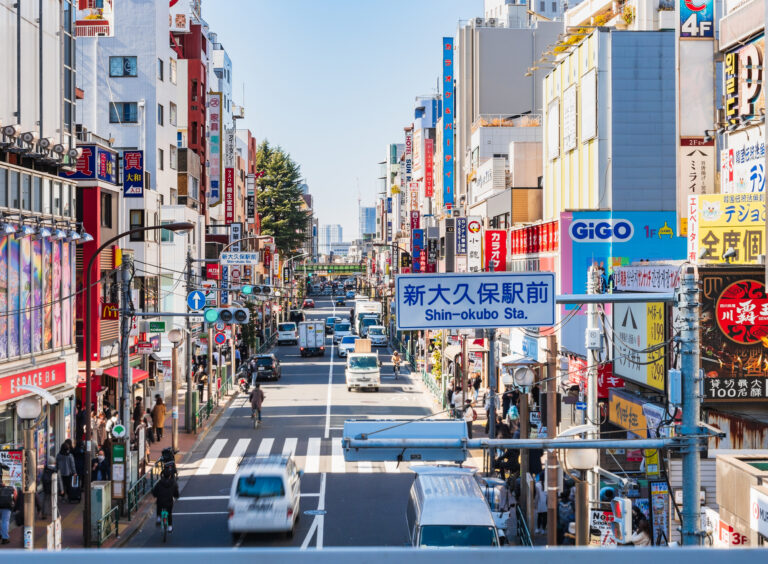
1 stop on the JR Yamanote Line (Shinjuku to Shin-Okubo)
about 30 min walk

Head on from Tokyo to Kamakura
From Shinjuku, the JR Shonan-Shinjuku Line reaches Kamakura in about 1 hour. Trains bound for Zushi or Yokosuka run straight through; on trains bound for Odawara, change to the Yokosuka Line at Ofuna. Temples, shrines and the sea: discover the old capital in our Kamakura Travel Guide.