
Shinjuku Gyoen National Garden (新宿御苑)
A former imperial garden in Japanese, French and English styles
Quick facts
| Hours | March 15–September 30: 9:00–18:00 (June 11–July 31 until 19:00); October 1–March 14: 9:00–16:30 |
|---|---|
| Last entry | 30 minutes before closing |
| Fees | General 500 yen / seniors 65+ and students (high school age and above) 250 yen / junior high school age and under free |
| Closed | Mondays (the next weekday if Monday is a public holiday) and December 29–January 3. Open on Mondays from March 25 to April 24 and from November 1 to 15 |
| Reservations | Usually not needed. On some cherry blossom weekends, entry from 10:00 to 16:00 requires advance booking (dates announced each year on the official website) |
| Best time to visit | Right after opening, when it is quiet. Around 12:00–14:00 is busiest |
| Time needed (approx.) | 1.5–2 hours to walk around; half a day if you relax on the lawns |
| Access notes | Three gates. Shinjuku Gate: about 10 min on foot from the South Exit of JR Shinjuku Station, about 5 min from Exit 1 of Shinjuku-gyoemmae Station (Tokyo Metro Marunouchi Line). Sendagaya Gate: about 5 min from JR Sendagaya Station |
| Checked / official info | Checked on November 17, 2026 Official website |
What Is Shinjuku Gyoen National Garden (新宿御苑)? | History and Origins
Shinjuku Gyoen National Garden (新宿御苑), southeast of Shinjuku Station (新宿駅), began as a samurai family’s estate, was turned into an imperial garden, and is now a national garden run by the Ministry of the Environment and open to everyone. Inside are three gardens in different styles, a Japanese garden around ponds, a French formal garden and an English landscape garden, plus a large greenhouse, across about 58.3 hectares.
Its story begins in the late 16th century, when Tokugawa Ieyasu (徳川家康), the warlord who went on to found the shogunate that ruled Japan from the 17th to the 19th century, gave an estate here to his retainer Naito Kiyonari (内藤清成). Legend says Ieyasu offered as much land as Kiyonari could ride around in one go; the horse galloped the full circuit, then collapsed and died, and was buried nearby. Part of the Naito land became a post town for travelers, Naito-Shinjuku (内藤新宿), which is said to be the origin of the name “Shinjuku,” meaning “new post town.”
In the late 19th century the site became an agricultural testing ground and then an imperial garden, completed in 1906 to a plan commissioned from the French landscape designer Henri Martinet. Air raids in 1945, near the end of World War II, burned almost all of its buildings except two that still stand, and in 1949 it opened to the public as a national garden.
Highlights
Three Gardens and the Vista Line
The French formal garden is laid out symmetrically, framed by rows of plane trees that turn color in autumn. Its central rose beds bloom in spring and autumn, and many people come in May to see the roses. The straight view from the formal garden across to the open lawn of the landscape garden is called the “Vista Line.” At the heart of the landscape garden stands a tulip tree more than 30 m tall, with Shinjuku’s skyscrapers rising beyond the lawns. Around Tamamo Pond (玉藻池) in the Japanese garden, you can still sense Tamagawa-en (玉川園), the Naito family’s garden from the Edo period (the 17th to 19th centuries, when the Tokugawa shogunate ruled Japan).
A Western-style villa and French garden in Kamakura
You can find a French-style garden in Kamakura too: a symmetrical garden spreads in front of the Former Residence of Kachonomiya (旧華頂宮邸), a Western-style house built for a noble family in the late 1920s. The garden is open to the public, and the house opens only in spring and autumn.
Greenhouse
The greenhouse grows and displays more than 1,000 plant species, mainly tropical and subtropical, over about 2,750 square meters. Inside are a waterfall and ponds, and it also shows and conserves endangered plants.
Historic Buildings and the Imitation-Wood Bridge
On the edge of the Japanese garden’s pond stands the Kyu-Goryotei (旧御涼亭), also called the Taiwan Pavilion. Japanese residents of Taiwan presented it in 1927 to mark the wedding of the future Emperor Showa, who reigned from 1926 to 1989. From inside, you look across the pond to the Japanese garden. The Former Imperial Rest House (旧洋館御休所), a wooden Western-style building put up in the late 19th century as a resting place for the imperial family, is a National Important Cultural Property and is open inside. In the landscape garden, the Gibokukyo Bridge (擬木橋) is made to look like wood and is said to be Japan’s first bridge of its kind; it is said to have been imported after being shown at the St. Louis World’s Fair in the United States. The Shinjuku Gyoen Museum explains the garden’s history with audio and video.
Access and Opening Hours
There are three gates: Shinjuku Gate, Okido Gate (大木戸門) and Sendagaya Gate (千駄ヶ谷門). Shinjuku Gate is about 10 minutes on foot from the South Exit of JR Shinjuku Station, and about 5 minutes from Exit 1 of Shinjuku-gyoemmae Station (新宿御苑前駅) on the Tokyo Metro Marunouchi Line or Exit E5 of Shinjuku-sanchome Station (新宿三丁目駅). Okido Gate is about 5 minutes from Exit 2 of Shinjuku-gyoemmae Station. Sendagaya Gate is about 5 minutes from JR Sendagaya Station (千駄ヶ谷駅) or Exit A5 of Kokuritsu-Kyogijo Station (国立競技場駅) on the Toei Oedo Line.
Opening hours change with the season: the garden closes later in summer and earlier from autumn to winter, and last entry is 30 minutes before closing (see Quick facts for the times and closed days). It closes on Mondays (the next weekday if Monday is a public holiday) and over the New Year holidays, but stays open on Mondays during the cherry blossom season and the chrysanthemum exhibition. Admission is charged, with reduced fees for seniors 65 and over and for students of high school age and above, and free entry for junior high school age and under. You can tap a transport IC card at the entry gates. In recent years, daytime entry on some cherry blossom weekends has required advance booking, with dates announced each year. Alcohol is not allowed, and there is no playground equipment. Wheelchairs can be borrowed free of charge at each gate and the service center. Allow about 1.5–2 hours to walk around.
Best Time to Visit
About 1,000 cherry trees of about 65 varieties bloom in turn, from winter-flowering cherries in February to double-flowered cherries in late spring. In peak season the lawns fill with picnic blankets and lines form at the gates, so come right after opening for a calmer walk; midday is the busiest time. From November 1 to 15, a chrysanthemum exhibition, a display rooted in imperial tradition, is held in roofed flower stands in the Japanese garden, and from autumn into December the plane trees and other trees change color. During the cherry blossom season (whole garden) and the chrysanthemum exhibition (Japanese garden), portrait photography with tripods or other equipment is restricted.
Nearby Spots
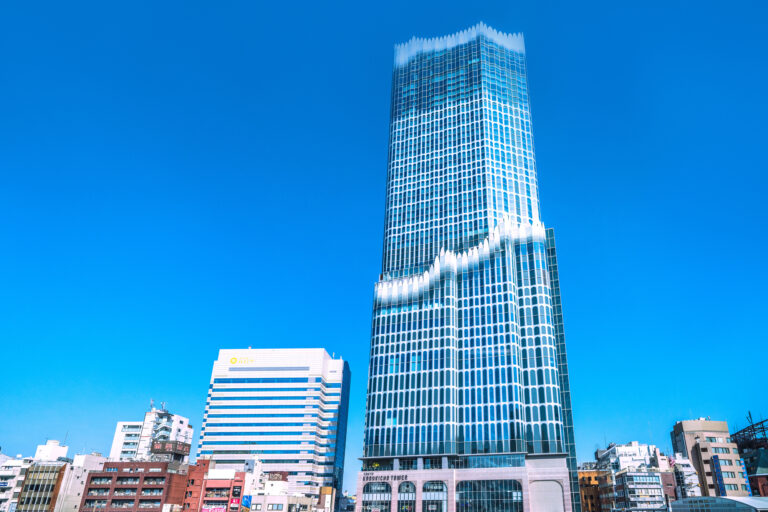
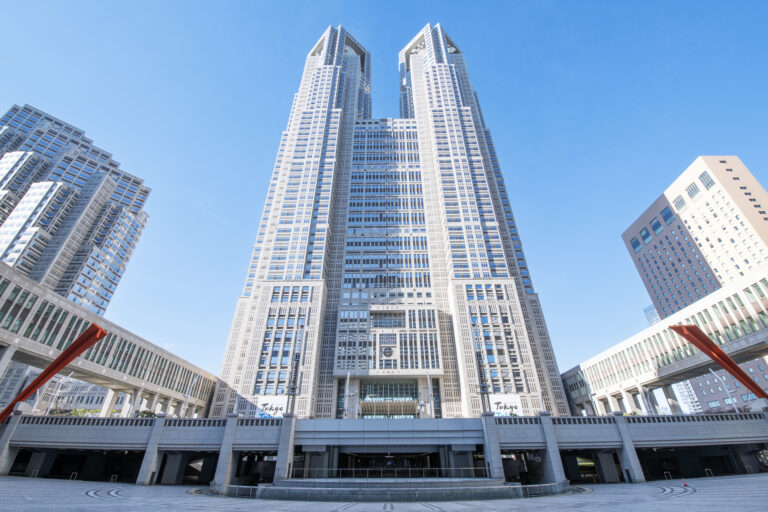
About a 20-minute walk north of Shinjuku Gate, Kabukicho (歌舞伎町) is home to Tokyu Kabukicho Tower (東急歌舞伎町タワー), with theaters and cinemas. From the Tokyo Metropolitan Government Building Observatories (東京都庁展望室) west of Shinjuku Station, you can look down on the garden’s greenery, so you can walk the garden first and then see it from above.
Summary
Shinjuku Gyoen is a former imperial garden where you can walk through Japanese, French and English garden styles and a large greenhouse in one visit. Hours vary by season and the garden is closed on Mondays, so check the times for your date before you go.
Basic Information
| Item | Details |
|---|---|
| Name | Shinjuku Gyoen National Garden (新宿御苑) |
| Address | 11 Naitomachi, Shinjuku-ku, Tokyo (東京都新宿区内藤町11) |
| Highlights | Japanese garden, French formal garden (plane-tree rows, rose beds), English landscape garden (tulip tree), greenhouse, Kyu-Goryotei, Former Imperial Rest House (Important Cultural Property), Gibokukyo Bridge, Tamamo Pond, Shinjuku Gyoen Museum |
| Things to do | Garden walks, cherry blossom viewing, chrysanthemum exhibition (November 1–15), greenhouse, relaxing on the lawns |
| Hours | March 15–September 30: 9:00–18:00 (last entry 17:30) / June 11–July 31: 9:00–19:00 (last entry 18:30) / October 1–March 14: 9:00–16:30 (last entry 16:00) |
| Closed | Mondays (next weekday if a public holiday), December 29–January 3 (open daily March 25–April 24 and November 1–15) |
| Admission | General: 500 yen (groups of 30+: 400 yen) / seniors 65+: 250 yen / students (high school age and above): 250 yen / junior high school age and under: Free |
| Reservations | Usually not needed (advance booking on some cherry blossom days) |
| Access | Shinjuku Gate: JR Shinjuku Sta. South Exit, about 10 min; Tokyo Metro Marunouchi Line Shinjuku-gyoemmae Sta. Exit 1 or Shinjuku-sanchome Sta. Exit E5, about 5 min / Okido Gate: Shinjuku-gyoemmae Sta. Exit 2, about 5 min / Sendagaya Gate: JR Sendagaya Sta. or Toei Oedo Line Kokuritsu-Kyogijo Sta. Exit A5, about 5 min |
| Notes | No alcohol. No playground equipment. Portrait photography with equipment is restricted in the cherry blossom season (whole garden) and during the chrysanthemum exhibition (Japanese garden). Free wheelchair loan at each gate and the service center |
| Official website | https://policies.env.go.jp/national-garden/shinjukugyoen/english/ |
Information checked on November 26, 2026 (opening hours, closing days and admission fees) / Official source checked: Ministry of the Environment, Shinjuku Gyoen National Garden
Google Map
Nearby sights

about 20 min walk
about 30 min walk

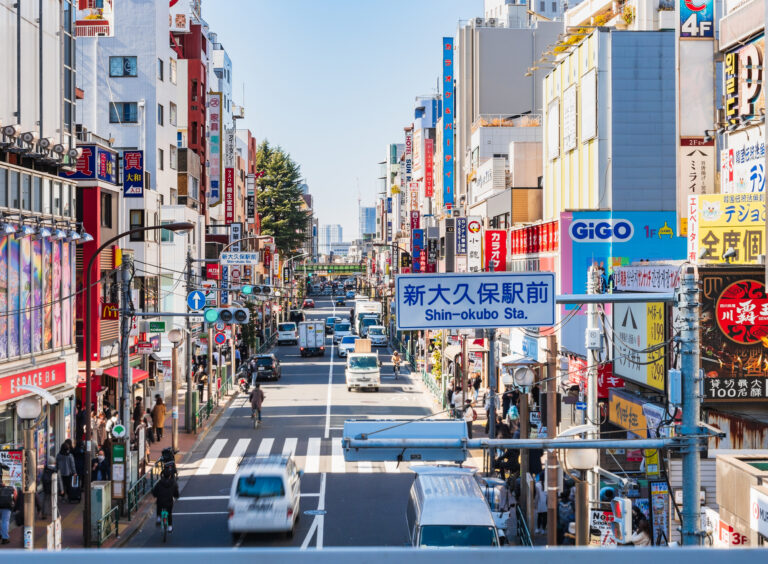
1 stop on the JR Yamanote Line (Shinjuku to Shin-Okubo)

Head on from Tokyo to Kamakura
From Shinjuku, the JR Shonan-Shinjuku Line reaches Kamakura in about 1 hour. Trains bound for Zushi or Yokosuka run straight through; on trains bound for Odawara, change to the Yokosuka Line at Ofuna. Temples, shrines and the sea: discover the old capital in our Kamakura Travel Guide.