
Shin-Okubo Koreatown (新大久保)
Korean food and K-pop shops in an old musket corps town
Quick facts
| Hours | Vary by shop |
|---|---|
| Fees | Free to walk around |
| Closed | Varies by shop |
| Reservations | Not needed for the area. Some restaurants use a waiting list at the door |
| Best time to visit | Weekdays. Weekend and holiday afternoons are the most crowded |
| Time needed (approx.) | 1–2 hours to browse the shops; half a day with a meal |
| Access notes | The ticket gate of JR Shin-Okubo Station (Yamanote Line) opens onto Okubo-dori Avenue. Also 5 min on foot from JR Okubo Station (Chuo and Sobu Lines) |
| Checked / official info | Checked on November 17, 2026 GO TOKYO, Tokyo’s official travel guide (Japanese page) |
What is Shin-Okubo Koreatown? | History
Shin-Okubo (新大久保) Koreatown is the area around JR Shin-Okubo Station in Shinjuku City, packed with Korean restaurants, Korean grocery stores, cosmetics shops and K-pop merchandise stores. Its heart lies between Okubo-dori Avenue (大久保通り), which runs east to west past the station, and Shokuan-dori Avenue (職安通り) to the south. GO TOKYO, the Tokyo government’s official travel site, calls it “Japan’s largest Koreatown.” You will also find a Taiwanese temple and Thai, Indian and Vietnamese restaurants, and more foreign residents of Shinjuku City live around this station than anywhere else in the ward.
The district west of the station, Hyakunincho (百人町, “Hundred-Men Town”), takes its name from the Hyakunin-gumi, a hundred-man musket corps of foot soldiers serving the Tokugawa shogunate, the samurai government that ruled Japan from Edo (present-day Tokyo). The corps had its residences here in the Edo period (17th–19th centuries). Their plots were narrow at the front and long at the back, and the straight line of Okubo-dori is said to be a trace of that layout. Before the war the area was a quiet neighborhood of large houses. Korean restaurants began to open in the 1980s, and after the Korean Wave of the 2000s, when Korean TV dramas and music reached a wide audience in Japan, Korean shops multiplied rapidly.
Highlights
Okubo-dori and Ikemen-dori
Step out of the ticket gate at Shin-Okubo Station and you are on Okubo-dori, a street with narrow sidewalks lined with cosmetics shops, Korean pop-culture stores and Korean restaurants under rows of Hangul signs. The narrow lanes running north to south from Okubo-dori to Shokuan-dori are nicknamed Ikemen-dori (イケメン通り, “Handsome Guy Street”), and shops are crammed along both sides. The name is said to come from the young male staff who stood outside to promote their shops. Stores selling Korean seasonings and ingredients cluster here too.
Korean food and street stalls
Restaurants serve Korean barbecue, hot pots and dak-galbi (chicken and vegetables stir-fried in a sweet-spicy sauce on a hot plate), and stalls sell hotteok, Korean griddle pancakes filled with syrup or cheese. Some places have lines outside. Under the “Shin-Okubo Rules,” Shinjuku City and the local shopping associations ask visitors not to eat while walking, but to eat inside the shop or at a rest area. The rest areas are Nishi-Okubo Park (西大久保公園) and the Soyokaze-bashi eating space (そよかぜ橋飲食スペース), which opens on weekends and holidays; both have tables and chairs. Check their hours in the Basic information table.
Islam Yokocho and Kaichu Inari Shrine
In Hyakunincho, west of the station, ethnic restaurants and spice shops gather in a lane nicknamed Islam Yokocho (イスラム横丁, “Islam Alley”). Near the station stands Kaichu Inari Shrine (皆中稲荷神社), once worshipped by the musket corps. Legend says that an officer of the corps who was struggling with his marksmanship saw Inari, the Shinto god of rice and prosperity, in a dream; carrying the charm he received, he hit the target with every shot. That gave the shrine its name, “Kaichu,” meaning “all hit.” Shrine gateways and lanterns donated by the corps remain in the grounds. The azaleas the soldiers grew at their residences became a famous Edo sight known as Okubo azaleas (大久保つつじ), and they have been replanted at the shrine and in local parks.
Access and opening hours
The nearest station is Shin-Okubo Station (新大久保駅) on the JR Yamanote Line, 2 minutes from Shinjuku. Its ticket gate faces Okubo-dori, and there are elevators and a wheelchair-accessible toilet inside the gates. Okubo Station (大久保駅) on the JR Chuo and Sobu Lines is a 5-minute walk away.
As a neighborhood, it has no entry fee or opening hours, and each shop sets its own hours and closing days. Some small shops and stalls take cash only. The Shin-Okubo Rules also ask you not to block the sidewalk when queuing or stopping in front of shops, and not to litter or smoke on the street. Allow about 1–2 hours to browse, or about half a day with a meal.
Best time to visit
On weekends and long holidays, the sidewalks of Okubo-dori fill with people from midday into the evening, and Shinjuku City notes that on weekend afternoons and holidays even the side streets become hard to walk. Even on weekdays the area around the station and Ikemen-dori is busy, so leave yourself plenty of time. In spring, Okubo azaleas usually bloom from mid-April into May at Kaichu Inari Shrine and in local parks.
Nearby spots
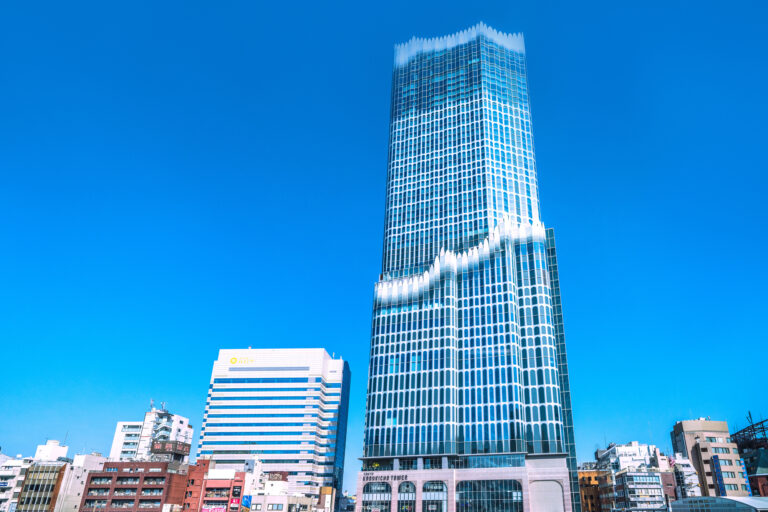
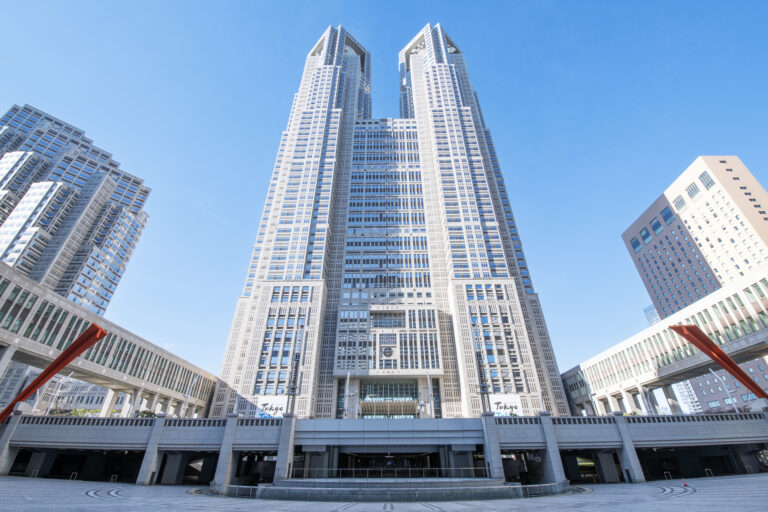
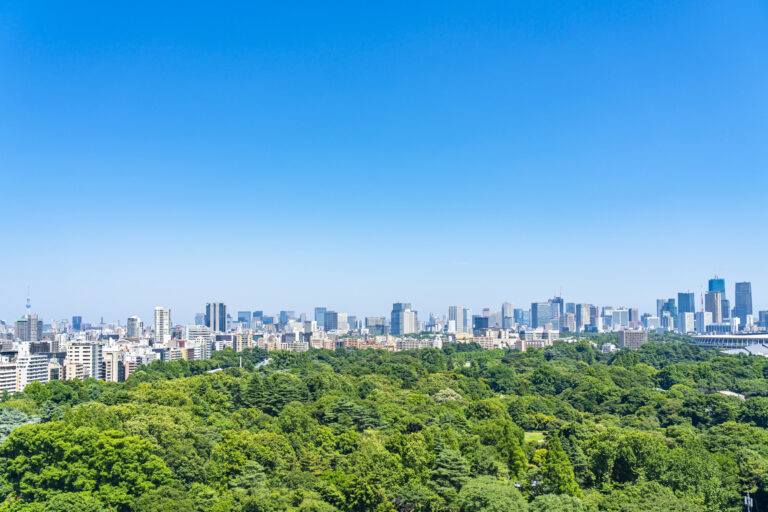
Cross Shokuan-dori and walk south for about 10 minutes to reach Kabukicho and Tokyu Kabukicho Tower, home to theaters and a cinema. From Shinjuku, one stop away on the Yamanote Line, you can go on to the Tokyo Metropolitan Government Building Observatories on the west side or Shinjuku Gyoen National Garden to the southeast.
Summary
Shin-Okubo Koreatown gathers Korean food, cosmetics and K-pop shops around Okubo-dori and Ikemen-dori. Weekend afternoons are the busiest, so follow the Shin-Okubo Rules and use the rest areas as you explore.
Basic information
| Item | Details |
|---|---|
| Name | Shin-Okubo Koreatown (新大久保コリアンタウン) |
| Address | Okubo and Hyakunincho, Shinjuku City, Tokyo (around JR Shin-Okubo Station) |
| Highlights | Korean restaurants, cosmetics and K-pop shops on Okubo-dori; Ikemen-dori; street stalls; Korean grocery stores; Islam Yokocho; Kaichu Inari Shrine; Okubo azaleas (usually mid-April to May) |
| Things to do | Korean meals; shopping for cosmetics, K-pop goods and Korean food; walking the streets; visiting Kaichu Inari Shrine |
| Hours | Vary by shop |
| Closed | Varies by shop |
| Admission | Free to walk around |
| Access | Right by JR Shin-Okubo Station (Yamanote Line) / 5 min on foot from JR Okubo Station (Chuo and Sobu Lines) |
| Notes | Shin-Okubo Rules: do not block the sidewalk when queuing or stopping; eat inside shops or at rest areas (Nishi-Okubo Park 6:30–18:00, until 17:00 October–March / Soyokaze-bashi eating space weekends and holidays 10:00–18:00); no littering or smoking on the street. Some shops take cash only |
| Toilets | Inside the ticket gates of JR Shin-Okubo Station (wheelchair-accessible toilet available) |
| Official info | GO TOKYO Okubo guide (Japanese) / Shinjuku City “Shin-Okubo Rules” (Japanese) |
Google Map
Nearby sights

about 10 min walk
1 stop on the JR Yamanote Line (Shin-Okubo to Shinjuku)
1 stop on the JR Yamanote Line (Shin-Okubo to Shinjuku)

Head on from Tokyo to Kamakura
From Shin-Okubo, take the JR Yamanote Line to Shinjuku and change to the JR Shonan-Shinjuku Line; it reaches Kamakura in about 1 hour 10 minutes. Trains bound for Zushi or Yokosuka run straight through; on trains bound for Odawara, change to the Yokosuka Line at Ofuna. Temples, shrines and the sea: discover the old capital in our Kamakura Travel Guide.