
Sunshine Aquarium (サンシャイン水族館)
A rooftop aquarium in Ikebukuro where penguins swim in the sky
Quick facts
| Hours | Spring and summer: weekdays 10:00–19:00, weekends and holidays 9:30–20:00 / Autumn and winter: weekdays 10:00–18:00, weekends and holidays 9:30–18:00 (changeover dates on the official calendar) |
|---|---|
| Last entry | 30 minutes before closing |
| Fees | Adults (high school age and over) 2,600–3,200 yen / children (elementary and junior high) 1,300 yen / infants (4 and over) 800 yen. The adult fee varies by date |
| Closed | A few days a year (check the official calendar) |
| Reservations | On weekends, holidays and specified days, buying a timed web ticket in advance is recommended (via the official website, on sale 2 months ahead). Entry may be limited on busy days |
| Best time to visit | Weekdays right after opening or in the late afternoon |
| Time needed (approx.) | 1–1.5 hours |
| Access notes | 5 min on foot from Exits 6 and 7 of Higashi-Ikebukuro Station (Tokyo Metro Yurakucho Line). Take the aquarium elevator from B1 or 1F of the World Import Mart Building to the roof |
| Checked / official info | Checked on November 17, 2026 Official website |
What is Sunshine Aquarium? | History
Sunshine Aquarium (サンシャイン水族館) sits on the roof of the World Import Mart Building (ワールドインポートマートビル) at Sunshine City (サンシャインシティ), a complex of high-rise buildings and shops in Ikebukuro (池袋). The aquarium is on the 10th floor, about 40 m above the ground, and shows around 23,000 animals of about 550 species.
It opened in 1978 as Sunshine International Aquarium and is said to be the first aquarium in Japan built on the roof of a high-rise. After a full renovation, it reopened under its current name in 2011. Being on a roof limits how much water and space it can use, so the aquarium turns this into a strength, with tanks designed to use the sky and the surrounding towers as a backdrop.
Highlights
The outdoor “Sky Journey”
“Sky Journey” (天空の旅) in the outdoor Marine Garden (マリンガーデン) is the zone that uses the open sky and the surrounding towers as its backdrop, and the route reaches it last, after “Ocean Journey” (大海の旅) on the first floor of the main building and “Waterside Journey” (水辺の旅) on the second floor. “Penguins in the Sky” (天空のペンギン) is a tank about 12 m wide that rises from in front of you to over your head, so you look up at African penguins that seem to fly against the sky and the city towers. “Penguins on the Grassland” (草原のペンギン) recreates South African grassland and lets you watch the penguins at eye level. The Sunshine Aqua Ring (サンシャインアクアリング) is a ring-shaped tank where sea lions swim above you and you see them from below. The sea lions go back to their sleeping area in the late afternoon, so they are easier to see earlier in the day. Great white pelicans move along a long, narrow tank that you can also view from below.
Sunshine Lagoon and the jellyfish area
Sunshine Lagoon (サンシャインラグーン), the largest tank on the first floor of the main building, recreates a shallow coral reef where tropical fish and rays swim; it holds about 240 tonnes of water and has seats in front for watching. The jellyfish area Kurage Kukan (海月空感) has tanks that make you feel surrounded by jellyfish, including the “Jellyfish Panorama,” about 14 m wide. On the second floor you will find freshwater fish, amphibians and Baikal seals. Feeding times for the sea lions, penguins and other animals are posted at the entrance.
Access and opening hours
The nearest station is Higashi-Ikebukuro Station (東池袋駅) on the Tokyo Metro Yurakucho Line, 5 minutes on foot from Exits 6 and 7. From JR Ikebukuro Station it is about a 10-minute walk. To reach the roof, take the aquarium elevator from the first basement floor or first floor of the World Import Mart Building. If you use the escalators, they go only to the 9th floor, and from there you take the stairs to the roof.
Hours differ between spring–summer and autumn–winter, and between weekdays and weekends or holidays. The changeover dates and the few closing days each year are shown on the official calendar, and last entry is 30 minutes before closing. The adult fee varies by date. On weekends, holidays and specified days, the aquarium recommends buying a timed web ticket in advance, and entry may be limited when it is crowded. Web tickets are sold through asoview!, the official sales site, from 2 months ahead. Re-entry is not allowed, and a visit takes about 1–1.5 hours.
Taking photos for personal use is fine, but flash and strong lights are not allowed in some exhibit areas, and you are asked not to use tripods or stay in one spot for long. The aquarium does not lend strollers or wheelchairs; borrow them from a Sunshine City information desk. Strollers are allowed, though some passages are narrow, and wheelchair users can reach almost every area using the priority elevators. The nursing room is on the second floor of the main building.
Best time to visit
Weekends, holidays, long weekends and the summer school break are busy, and people stopping to take photos in front of the tanks slow the flow. Weekdays right after opening and late afternoons are relatively quiet, but if you want to see the sea lions, head outside before the afternoon ends. In summer the outdoor Marine Garden gets hot.
Nearby spots
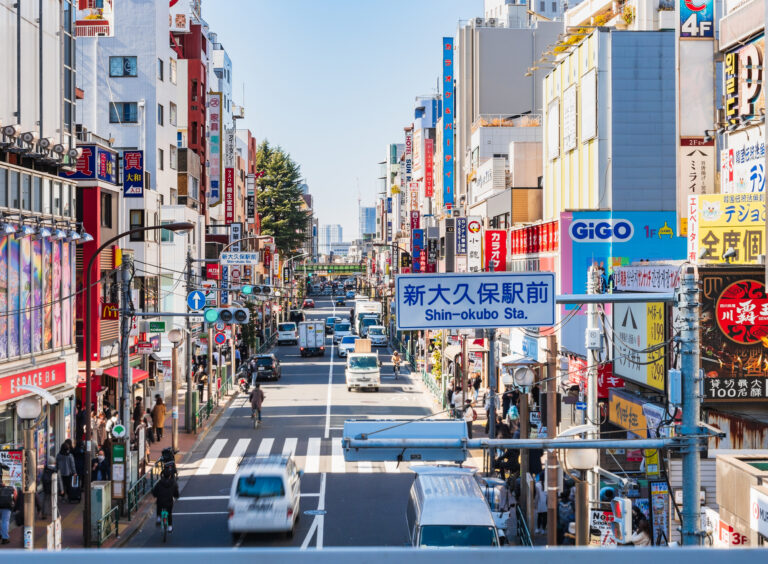
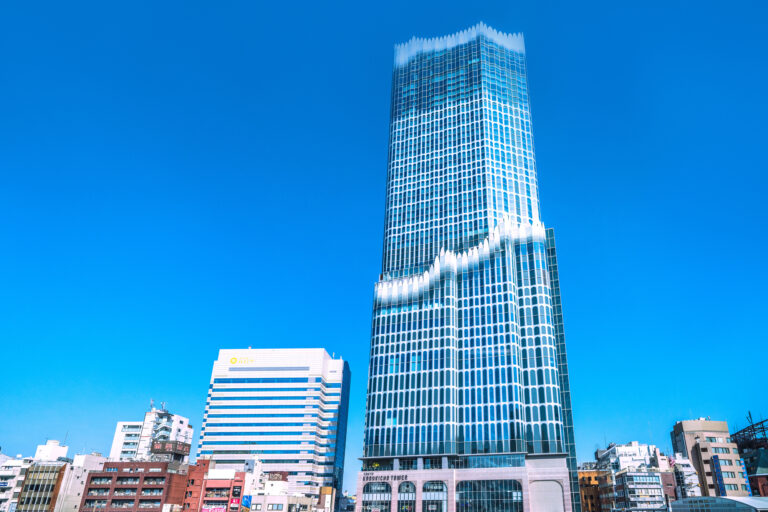
Three stops from Ikebukuro on the JR Yamanote Line is Shin-Okubo, home to Shin-Okubo Koreatown and its Korean restaurants and cosmetics shops. Four stops away is Shinjuku, where you can walk to Tokyu Kabukicho Tower in Kabukicho, Shinjuku’s nightlife and entertainment district.
Summary
Sunshine Aquarium lets you look up at penguins and sea lions against the sky on a city rooftop. Hours and fees vary by date and holidays get crowded, so check the calendar for your day before you go.
Basic information
| Item | Details |
|---|---|
| Name | Sunshine Aquarium (サンシャイン水族館) |
| Address | Rooftop, World Import Mart Building, Sunshine City, 3-1 Higashi-Ikebukuro, Toshima City, Tokyo |
| Highlights | Penguins in the Sky, Penguins on the Grassland, Sunshine Aqua Ring, Sunshine Lagoon, Kurage Kukan jellyfish area, great white pelicans |
| Things to do | Viewing the animals; watching feeding times (times posted at the entrance) |
| Hours | Spring and summer: weekdays 10:00–19:00, weekends and holidays 9:30–20:00 / Autumn and winter: weekdays 10:00–18:00, weekends and holidays 9:30–18:00 (last entry 30 minutes before closing; changeover dates on the official calendar) |
| Closed | A few days a year (check the official calendar) |
| Admission | Adults (high school age and over): 2,600–3,200 yen (varies by date) / children (elementary and junior high): 1,300 yen / infants (4 and over): 800 yen |
| Reservations | Timed web tickets (asoview!) recommended on weekends, holidays and specified days; entry may be limited when busy |
| Access | 5 min on foot from Exits 6 and 7 of Higashi-Ikebukuro Station (Tokyo Metro Yurakucho Line) / about 10 min on foot from JR Ikebukuro Station |
| Notes | No re-entry. No flash or strong lights in some exhibit areas; no tripods. Strollers and wheelchairs can be borrowed at Sunshine City information desks |
| Phone | 03-3989-3466 |
| Official website | https://sunshinecity.jp/en/aquarium/ticket |
Information checked on November 26, 2026 (admission fees) / Official source checked: Sunshine Aquarium official website
Google Map
Nearby sights

3 stops on the JR Yamanote Line (Ikebukuro to Shin-Okubo)

4 stops on the JR Yamanote Line (Ikebukuro to Shinjuku)
4 stops on the Tokyo Metro Fukutoshin Line (Ikebukuro to Shinjuku-sanchome)

Head on from Tokyo to Kamakura
From Ikebukuro, the JR Shonan-Shinjuku Line reaches Kamakura in about 1 hour 10 minutes. Trains bound for Zushi or Yokosuka run straight through; on trains bound for Odawara, change to the Yokosuka Line at Ofuna. Temples, shrines and the sea: discover the old capital in our Kamakura Travel Guide.