
Ueno Zoo (上野動物園)
Japan’s first zoo, with a 17th-century pagoda inside
Check first
| Opening hours | 9:30–17:00 |
|---|---|
| Last admission | 16:00 |
| Admission | Adults 600 yen, aged 65 and over 300 yen, junior high school students 200 yen (free for those living or studying in Tokyo); free for primary school age and under |
| Closed | Mondays (the next day if Monday is a holiday), 29 December–1 January. Occasional extra opening or closing days. The five-storied pagoda loop cannot be entered from inside the zoo; enter it from the Ueno Toshogu approach |
| Booking | Not needed |
| Best time to visit | Mornings, right after opening |
| Time needed (approx.) | 2–3 hours |
| Access notes | The Main Gate is about 5 min on foot from the Park Exit of JR Ueno Station (上野駅). In the West Garden, Benten Gate (弁天門) is about 5 min from the Shinobazu Exit of JR Ueno Station and Ikenohata Gate (池之端門) about 5 min from Nezu Station (根津駅) on the Tokyo Metro Chiyoda Line |
| Checked / official site | Checked on 16 November 2026 Official website |
What is Ueno Zoo (上野動物園)? | History
Ueno Zoo (上野動物園), officially Onshi Ueno Zoo (恩賜上野動物園), is a metropolitan zoo inside Ueno Park (上野恩賜公園). It opened in 1882 as Japan’s first zoo. The word onshi (恩賜) in its Japanese name means “imperial gift”: the Imperial Household handed the zoo over to the city of Tokyo.
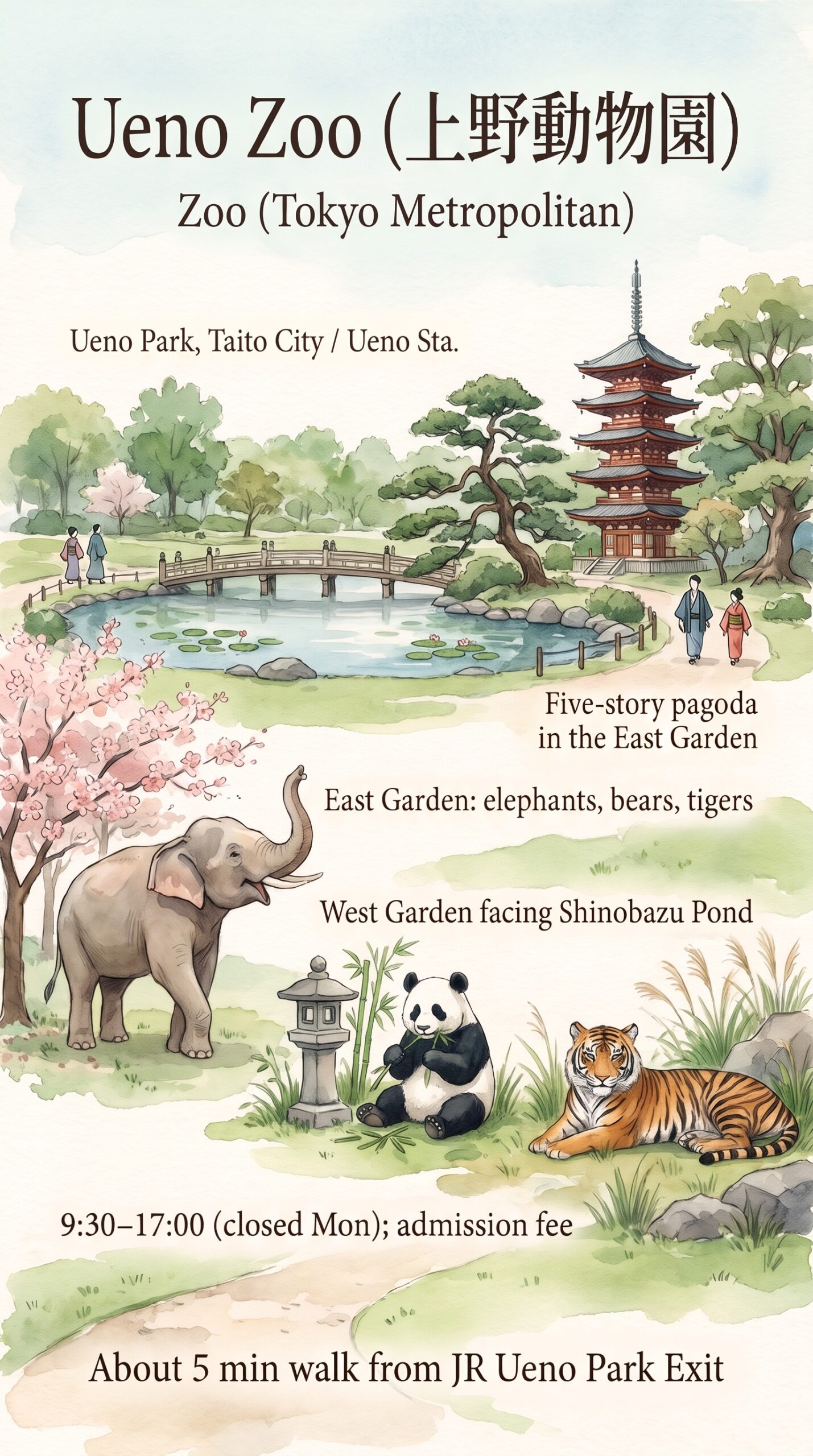
The zoo is divided into the East Garden, entered by the Main Gate, and the West Garden on the Shinobazu Pond (不忍池) side. In the East Garden’s area for Japanese animals stands a five-storey pagoda, a wooden Buddhist tower built in the early 17th century and designated an Important Cultural Property, a status given by the national government to protected heritage.
Highlights
The East Garden
The Main Gate leads into the East Garden, with large animals such as elephants, bears and tigers. In the area for Japanese animals you can see them against the five-storey pagoda, an Important Cultural Property. You can see the five-storey pagoda over the fence from inside the zoo, and a separate walking route entered from the approach to Ueno Toshogu Shrine (上野東照宮), dedicated to Tokugawa Ieyasu, who set up the warrior government in Edo (now Tokyo) in the early 17th century, takes you right up to the pagoda without entering the zoo (open on the zoo’s opening days and hours).
The West Garden and Shinobazu Pond
The West Garden faces Shinobazu Pond and can be entered by Benten Gate and Ikenohata Gate. It has different animals from the East Garden, such as giraffes and hippos. The West Garden also has rhinoceroses, pygmy hippos and shoebills, as well as the Vivarium (両生爬虫類館) and the Small Mammal House (小獣館).
Getting between the East and West Gardens
The East and West Gardens are linked by the Isoppu Bridge (いそっぷ橋), with a change in height and some steep slopes between them. There is an elevator at the Isoppu Bridge, and a free shuttle bus runs about 300 m between the Animal Hospital in the East Garden and the foot of the Isoppu Bridge in the West Garden (priority for those who find walking difficult). Wheelchairs can be borrowed free of charge at the Main Gate, the Information Center, Benten Gate and Ikenohata Gate.
Access and opening hours
The Main Gate is about 5 minutes on foot from the Park Exit of JR Ueno Station. Benten Gate in the West Garden is about 5 minutes from the Shinobazu Exit of JR Ueno Station; Ikenohata Gate is about 5 minutes from Nezu Station on the Tokyo Metro Chiyoda Line.
Closing days shift around public holidays and there are some extra opening or closing days, so check the table above and the official calendar before you go. Tickets can be bought at the entrance, and date-specified online tickets are also sold through the official website; no reservation is needed to enter. A leisurely loop of the zoo takes about two to three hours.
Exhibit changes: from Monday, August 31, 2026 to mid-January 2027 (end date not yet set), net-replacement work against highly pathogenic avian influenza means some animals are off display or have been moved at parts of the East Garden’s ibis house and crane house (the seal side only) and the West Garden’s former peccary house. The black-necked cranes (オグロヅル) and red-crowned cranes (タンチョウ) in the East Garden’s crane house are no longer on display (moved to a non-public facility on August 5, 2026). The African sacred ibises (アフリカクロトキ), northern bald ibises (ハゲトキ) and ホオアカトキ have moved from the ibis house to the crane house, and the collared peccaries (クビワペッカリー) from the former peccary house to a facility next to the pygmy hippo house. From Tuesday, July 7, 2026, until further notice, the area around the Five-Story Pagoda (五重塔) is closed to visitors because of renovation work, and so is the walking route around the pagoda from the Ueno Toshogu approach outside the zoo. The Japanese serow (ニホンカモシカ) has been back on display since Thursday, October 1, 2026. Check the official website for the latest situation.
Best time to visit
Mornings right after opening are a good time. The zoo is large, with a change in level between the East and West Gardens, so wear comfortable shoes and allow plenty of time. Some animals go into their night quarters early and can no longer be seen, so it is safest to visit the animals you most want to see in the morning. Exhibits may be suspended on hot or rainy days, and exhibits get crowded on weekends and holidays.
Nearby spots
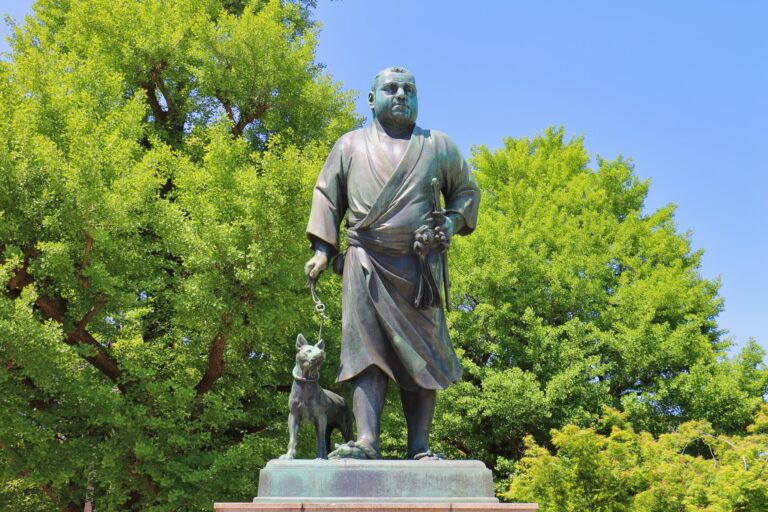
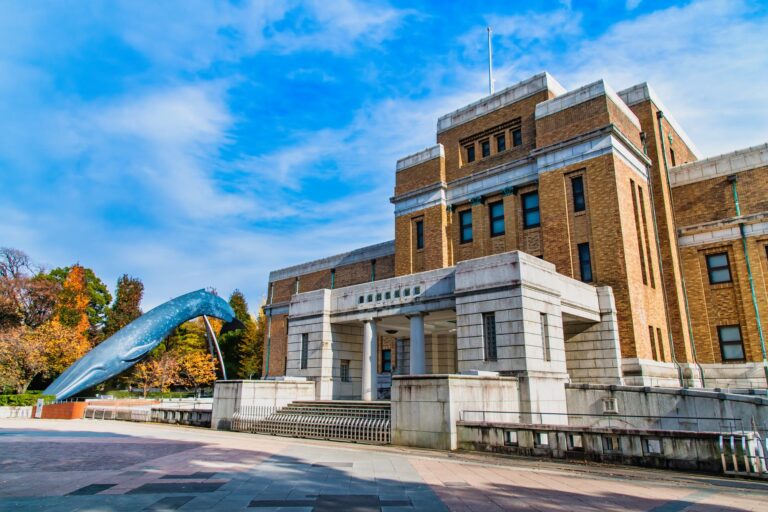
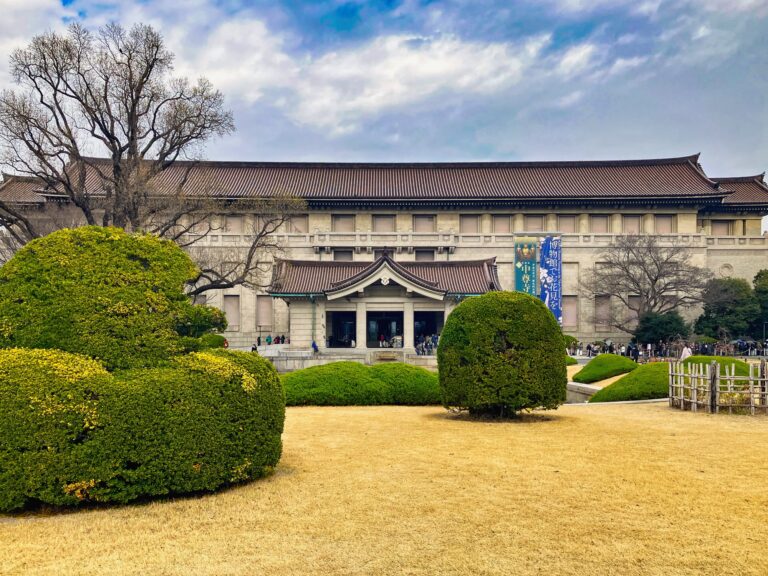
The zoo is in the north of Ueno Park and combines easily with the National Museum of Nature and Science and the Tokyo National Museum. Leaving by the West Garden brings you out by Shinobazu Pond for a walk around the water.
Summary
Ueno Zoo, Japan’s first zoo, opened in 1882 and shows many animals across its East and West Gardens. Together with the museums of Ueno Park and Shinobazu Pond, it fits easily into a day in Ueno.
Basic Information
| Name | Ueno Zoological Gardens (恩賜上野動物園) |
| Address | 9-83 Ueno-koen, Taito City, Tokyo |
| Opening hours | 9:30–17:00 (last entry 16:00) |
| Closed | Mondays (next day if a holiday), 29 Dec–1 Jan. Occasional extra opening or closing days |
| Notices | From August 31, 2026 to mid-January 2027 (end date not yet set), some animal exhibits are cancelled or changed for net-replacement work. The area near the Five-Story Pagoda has been closed to visitors since July 7, 2026, until further notice |
| Admission | Adults 600 yen, aged 65 and over 300 yen, junior high 200 yen (free if living or studying in Tokyo), primary school age and under free |
| Access | Main Gate: about 5 min walk from JR Ueno Station (Park Exit). You can also enter by Benten Gate or Ikenohata Gate in the West Garden |
| Phone | 03-3828-5171 |
| Official website | https://www.tokyo-zoo.net/en/ueno/index.html |
Information checked on November 26, 2026 (exhibit suspensions and changes due to construction, and the restricted area near the five-story pagoda) / Official source checked: Tokyo Zoonet, Ueno Zoo announcements (exhibit changes due to construction; restricted area near the pagoda)
Google Map
Nearby sights

In the same park (a short walk)
About 5 min on foot

About 5 min on foot

Head on from Tokyo to Kamakura
From Ueno, JR reaches Kamakura in about 1 hour 10 minutes. Change to the Yokosuka Line at Tokyo Station. Temples, shrines and the sea: discover the old capital in our Kamakura Travel Guide.