
Takeshita Street (竹下通り)
Crepes and youth fashion right outside Harajuku Station
Quick facts
| Hours | Free to walk at any time. Pedestrian-only every day 11:00–18:00. Shop hours vary |
|---|---|
| Fees | Free to walk |
| Closed | Varies by shop |
| Reservations | Not needed |
| Best time to visit | Weekday mornings are easier to walk; weekend and holiday afternoons are the busiest |
| Time needed (approx.) | 15 min to walk through; 1 hour while browsing |
| Access notes | Right outside the Takeshita Exit of JR Harajuku Station. The entrance on this side slopes downhill; you can also enter from Meiji-dori |
| Checked / official info | Checked on November 17, 2026 Official website (Harajuku Takeshita-dori merchants’ association) |
What Is Takeshita Street (竹下通り)? | History and Origins
Takeshita Street (竹下通り) is a shopping street that runs about 350 m from the Takeshita Exit (竹下口) of JR Harajuku Station (原宿駅) to Meiji-dori Avenue (明治通り). Every day it is closed to cars during set daytime hours (see Quick facts). The name comes from the old town name Takeshita-cho (竹下町), said to mean “below the bamboo,” or low-lying ground; the downhill slope at the station entrance is sometimes explained as a trace of that.
The district name Harajuku (原宿) has an older story of its own. The Shinpen Musashi Fudoki-ko (新編武蔵風土記稿), a gazetteer of the region compiled in the Edo period (17th–19th centuries, when the Tokugawa shoguns ruled Japan from Edo, present-day Tokyo), records that the name came from a post station, where travelers could rest and change horses, set up on the Kamakura road (鎌倉道) that ran through here from Kamakura, the seat of Japan’s first samurai government from the late 12th to the early 14th century, toward Oshu (奥州), today’s Tohoku region in northern Japan.
The area was once a quiet residential neighborhood. After World War II, American-style shops gathered near Washington Heights, a US military housing complex on the site of today’s Yoyogi Park (代々木公園), and in the 1970s more shops opened and the lane became a shopping street. In the late 1980s it was lined with shops run by TV celebrities. Walking along with a crepe wrapped in paper is said to have been popularized by Marion Crepes, which opened a shop on the street.
Highlights
A Street of Youth Shops
Shops for young shoppers fill the street: fashion and accessories, Korean cosmetics, idol merchandise, a 100-yen shop and photo-sticker (purikura) booths, with frequent turnover. The crowds make it hard to see both sides at once, so walk to the end and come back along the other side. Side lanes have shops too.
Crepes and Eye-catching Sweets
Besides paper-wrapped crepes, you will find sweets chosen as much for their looks as their taste, such as giant rainbow cotton candy and candied strawberries, sold for eating on the go.
The Entrance Arch
The arch at the station end has a screen that shows people walking underneath, and visitors stopping for photos sometimes slow down the entrance.
Access and Opening Hours
The entrance is right outside the Takeshita Exit of JR Harajuku Station, and the other end comes out on Meiji-dori. The station entrance slopes downhill, so with a wheelchair or stroller you may prefer to enter from the Meiji-dori side.
As a public road, it is free to walk at any time; each shop sets its own hours and closing days. It is pedestrian-only every day during set daytime hours (see Quick facts), and outside those hours delivery vehicles use the street. When it is crowded, walkers are asked to keep left. Allow about 15 minutes to walk straight through, or about 1 hour while browsing. The merchants’ association works to stop street touting. Littering anywhere in Shibuya City is subject to a fine (amount in Basic Information).
Best Time to Visit
The street is always busy, and weekend and holiday afternoons are the most crowded. Weekday mornings are easier, though some shops have not yet opened. On rainy days umbrellas fill the street. If you have children with you, the crowds make it easy to get separated.
Nearby Spots
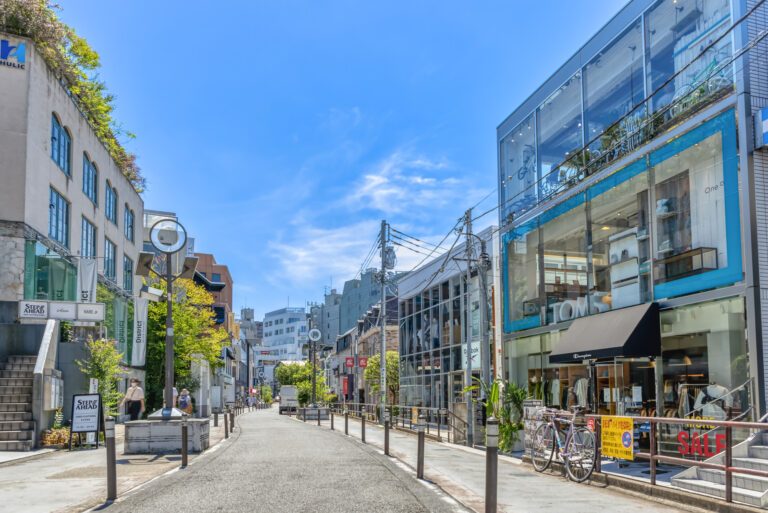
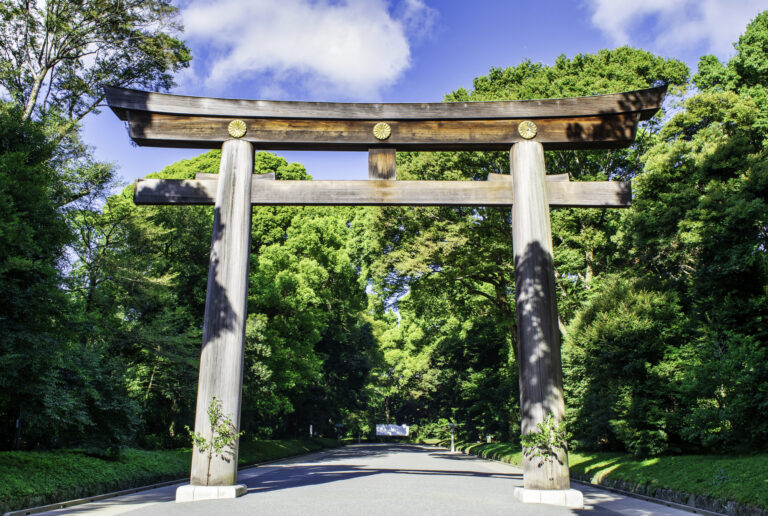
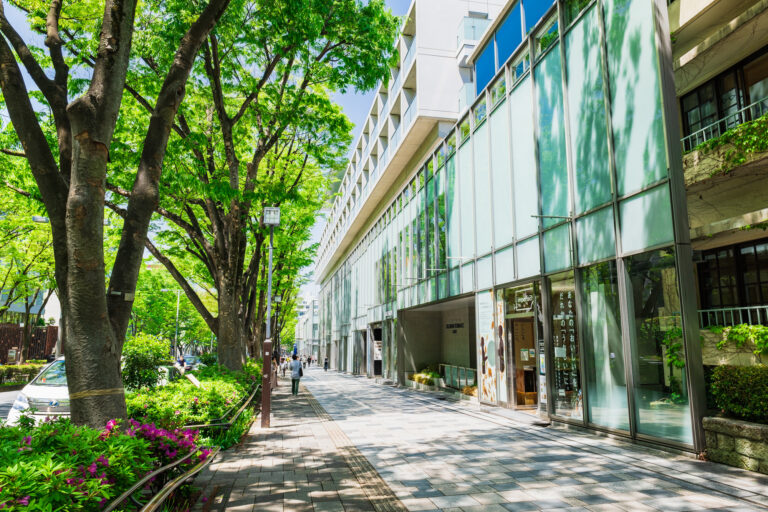
Across from Harajuku Station is the south entrance to Meiji Jingu (明治神宮), a shrine dedicated to Emperor Meiji, who reigned as Japan modernized in the late 19th and early 20th centuries, so a shrine visit fits in easily. From Meiji-dori, walk south to Cat Street (キャットストリート) and Omotesando Hills (表参道ヒルズ); Yoyogi Park spreads out west of the station.
Summary
Takeshita Street is a 350 m shopping street of youth shops and street sweets, running from the Takeshita Exit of Harajuku Station to Meiji-dori. It is always crowded, so a weekday morning visit combined with Meiji Jingu is the easiest way to enjoy it.
Basic Information
| Item | Details |
|---|---|
| Name | Takeshita Street (竹下通り) |
| Address | 1-chome Jingumae, Shibuya-ku, Tokyo (東京都渋谷区神宮前1丁目), from the Takeshita Exit of JR Harajuku Station to Meiji-dori |
| Highlights | Youth fashion, accessories, Korean cosmetics and idol goods shops; crepes, rainbow cotton candy and other street sweets; the entrance arch with a screen showing passersby |
| Things to do | Shopping, eating on the go, walking from Harajuku Station to Meiji-dori |
| Hours | Free to walk at any time (pedestrian-only daily 11:00–18:00; shop hours vary) |
| Admission | Free |
| Access | Right outside the Takeshita Exit, JR Harajuku Station |
| Notes | Keep left when crowded. Delivery vehicles outside pedestrian hours. The station entrance slopes downhill. Littering fine of 2,000 yen throughout Shibuya City |
| Official website | https://www.takeshita-street.com/ (merchants’ association) |
Information checked on November 26, 2026 (pedestrian-only hours) / Official source checked: Takeshita Street official website
Google Map
Nearby sights

about 10 min walk

about 5 min walk to the south entrance

about 10 min walk

Head on from Tokyo to Kamakura
From Harajuku Station, take the JR Yamanote Line one stop to Shibuya and change to the JR Shonan-Shinjuku Line; it reaches Kamakura in about 1 hour 10 minutes. Trains bound for Zushi or Yokosuka run straight through; on trains bound for Odawara, change to the Yokosuka Line at Ofuna. Temples, shrines and the sea: discover the old capital in our Kamakura Travel Guide.