
Cat Street (キャットストリート)
Vintage shops and cafes over the buried Shibuya River
Quick facts
| Hours | Free to walk at any time. Shop hours vary; many open around 11:00 |
|---|---|
| Fees | Free to walk |
| Closed | Varies by shop |
| Reservations | Not needed |
| Best time to visit | After 11:00, when shops open; weekdays are quieter |
| Time needed (approx.) | 15 min to walk through; 2 hours with shopping |
| Access notes | To the Omotesando entrance: about 4 min on foot from Meiji-jingumae (Harajuku) Station (Tokyo Metro), about 7 min from JR Harajuku Station. Walking from Omotesando toward Shibuya is gently downhill |
| Checked / official info | Checked on November 17, 2026 No official website (public road). Shibuya City: street names (Japanese) |
What Is Cat Street (キャットストリート)? | History and Origins
Cat Street (キャットストリート) is a promenade linking Shibuya and Harajuku. Shibuya City’s designated common name for it is the Kyu-Shibuyagawa Promenade (旧渋谷川遊歩道), the “old Shibuya River promenade.” The city describes it as running from near Miyashita Park (宮下公園) on Meiji-dori Avenue to Omotesando (表参道), the broad avenue leading toward Meiji Jingu Shrine (明治神宮), a Shinto shrine dedicated to Emperor Meiji. The path also continues north of Omotesando, and that stretch is often called Cat Street too; altogether it is about 1 km long.
The Shibuya River (渋谷川), known around here as the Onden River (穏田川), still flows beneath your feet. Around the 1964 Tokyo Olympics it was covered over and turned into an underground channel, and the promenade was laid on top. The gentle curves of the path follow the old riverbed, and where it meets Omotesando, a stone post survives from Sando Bridge (参道橋), which once carried the avenue over the river. This area was Onden village (穏田村) in the Edo period (17th–19th centuries), when the Tokugawa shoguns ruled Japan from Edo, today’s Tokyo, and “Waterwheel at Onden (隠田の水車),” a print from Thirty-six Views of Mount Fuji (冨嶽三十六景) by Katsushika Hokusai (葛飾北斎), the 19th-century artist famous for his Mt. Fuji series, is said to show a mill on this river.
Nobody knows for sure where the name comes from. Theories include the many cats that once lived here, a street as narrow as a “cat’s forehead” (a Japanese expression for a tiny space), and the rockabilly band BLACK CATS.
Highlights
A Back Street of Small Shops
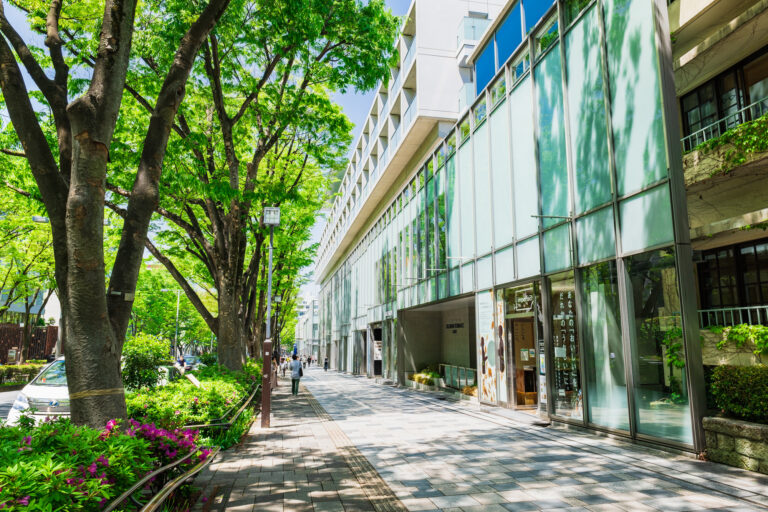
There are few tall buildings here. Small street-level shops sit among houses, with vintage clothing, select shops, sports brands and cafes side by side. Shops come and go often, and side lanes and shortcuts lead to unexpected finds. Compared with busy Omotesando and Takeshita Street (竹下通り), the mood is calmer and you rarely need to watch for cars, though some sections do carry traffic. Street lamps and banners show the name of the local merchants’ association, Onden Cat Street (穏田キャットストリート商店会).
Access and Opening Hours
The Omotesando entrance is between the KIDDY LAND toy store and the GYRE shopping building, where a statue of a woman and a short flight of steps stand on the corner opposite Omotesando Hills (表参道ヒルズ). It is about 4 minutes on foot from Meiji-jingumae (Harajuku) Station (明治神宮前〈原宿〉駅) on the Tokyo Metro and about 7 minutes from JR Harajuku Station (原宿駅). At the Shibuya end, the street branches off Meiji-dori near Miyashita Park as a narrow lane that is easy to miss.
As a public road, it is free to walk at any time. The path runs gently downhill from the Harajuku (Omotesando) side toward Shibuya, so walking south from Omotesando is easier. Allow about 15 minutes to walk straight through, or about 2 hours if you browse the shops. Littering anywhere in Shibuya City can bring a fine.
Best Time to Visit
Many shops open late in the morning, so early in the day much of the street is still shuttered. Weekend and holiday afternoons are crowded, while weekdays and mornings are quiet.
Nearby Spots
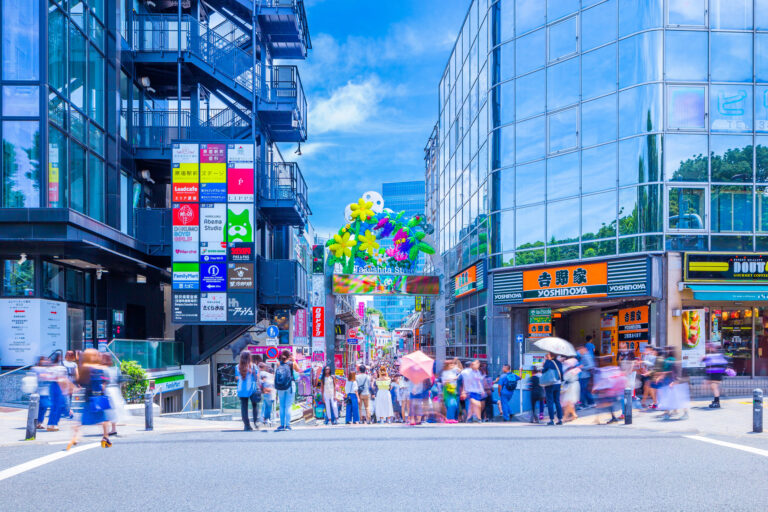
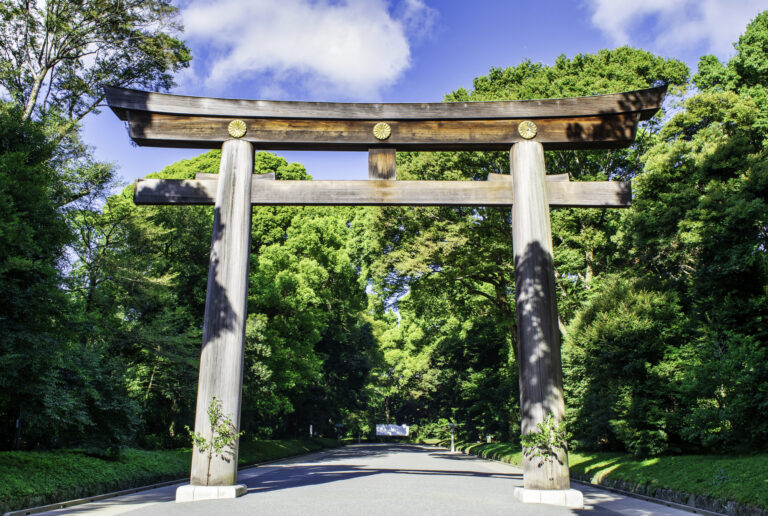
Omotesando Hills is right across from the Omotesando entrance. Walk north to Takeshita Street, and beyond Harajuku Station lies Meiji Jingu Shrine. Heading south down Cat Street brings you into Shibuya, so you can carry on on foot to Shibuya Scramble Crossing (渋谷スクランブル交差点).
Summary
Cat Street is a promenade of about 1 km over the buried Shibuya River, linking Harajuku and Shibuya. It is easiest to enjoy from around midday, once the shops are open, walking downhill from Omotesando toward Shibuya.
Basic Information
| Item | Details |
|---|---|
| Name | Cat Street (キャットストリート / 旧渋谷川遊歩道) |
| Address | Jingumae, Shibuya City, Tokyo (from near Miyashita Park on Meiji-dori to Omotesando, continuing north of Omotesando) |
| Highlights | Winding promenade over the buried Shibuya River, street-level vintage, select, sports-brand shops and cafes, Sando Bridge post, site of Hokusai’s “Waterwheel at Onden” |
| Things to do | Walking from Harajuku (Omotesando) to Shibuya, browsing small shops |
| Hours | Open at all times (shop hours vary) |
| Admission | Free |
| Access | Tokyo Metro Meiji-jingumae (Harajuku) Sta., about 4 min / JR Harajuku Sta., about 7 min (to the Omotesando entrance) |
| Notes | Some sections carry car traffic. The Shibuya entrance is easy to miss. Littering fine of 2,000 yen anywhere in Shibuya City |
| Official website | None (public road). Shibuya City (Japanese) |
Google Map
Nearby sights

about 5 min walk
about 10 min walk

about 20 min walk

Head on from Tokyo to Kamakura
From Shibuya, the JR Shonan-Shinjuku Line reaches Kamakura in about 1 hour. Trains bound for Zushi or Yokosuka run straight through; on trains bound for Odawara, change to the Yokosuka Line at Ofuna. Temples, shrines and the sea: discover the old capital in our Kamakura Travel Guide.