
Yoyogi Park (代々木公園)
A city park of open lawns beside the Meiji Jingu forest
Quick facts
| Hours | The park is always open. Service center 8:30–17:30; Pedariko cycling center 9:00–16:30 |
|---|---|
| Last entry | None for the park. Bike rental desk closes at 16:00 |
| Fees | Free entry (some facilities charge, e.g. bikes without training wheels 300 yen per hour) |
| Closed | The park never closes. The service center is closed December 31–January 3; Pedariko is closed on Mondays (the following day if Monday is a holiday) and December 29–January 3 |
| Reservations | Not needed. The dog run requires advance registration |
| Best time to visit | Weekdays and mornings are quieter. Events are often held in the plaza on weekends |
| Time needed (approx.) | 1 hour for a walk; half a day with a picnic or cycling |
| Access notes | About 3 min on foot from JR Harajuku Station, Yoyogi-koen Station (Tokyo Metro Chiyoda Line, Exit 4) and Meiji-jingumae (Harajuku) Station. About 6 min from Yoyogi-Hachiman Station (Odakyu Line) |
| Checked / official info | Checked on November 17, 2026 Official website (Tokyo Metropolitan Park Association, Japanese) |
What Is Yoyogi Park (代々木公園)? | History and Origins
Yoyogi Park (代々木公園) is a large metropolitan park in Shibuya, right next to the forest of Meiji Jingu (明治神宮), the shrine dedicated to Emperor Meiji (明治天皇), the first emperor of modern Japan. It covers about 54 hectares and is split by a road into a northern forest park (Area A) and a southern plaza area (Area B). It is open around the clock, and entry is free.
The ground under your feet tells Tokyo’s modern story. Before World War II it was the Yoyogi Parade Ground (代々木練兵場), where the army drilled its soldiers. After the war it became Washington Heights (ワシントンハイツ), a fenced-off housing area for the US military that Japanese people could not enter. It then served as the athletes’ village for the 1964 Tokyo Olympics before opening as a park.
Highlights
Central Plaza and the Woods
At the heart of the forest park is Central Plaza (中央広場), a lawn that fills about a quarter of Area A. Ringed by tall trees, it gives you a wide-open sky in the middle of the city. Local people picnic on the grass, jog and walk their dogs here.
The New Fountain
The fountain area was rebuilt and reopened in November 2026 as Mori no Funsui (森の噴水), the “Forest Fountain.” Its main jet shoots up to about 25 m, and after dark there is a show of light and mist. Work continues on parts of the surrounding area, including the Rose Garden (バラの広場).
Seasonal Flowers and Trees
In spring the Sakura no Sono cherry grove (サクラの園) blooms with Somei-yoshino, Japan’s most common cherry variety, and the early-flowering Kawazu-zakura (河津桜) cherries. In autumn, ginkgo, Japanese maple and zelkova trees turn color. Cherry-blossom season brings big groups, but the park is large enough that you can still find a spot to sit.
A hilltop cherry-blossom park in Kamakura
Where Yoyogi Park offers flat lawns for blossom viewing, Kamakura‘s Genjiyama Park (源氏山公園) sits on a hill, with a statue of Minamoto no Yoritomo (源頼朝), the warrior leader who set up a military government in Kamakura in the late 12th century, standing among about 400 cherry trees.
The Olympic Memorial Lodge and the Aviation Monument
The house used by Dutch athletes at the 1964 Olympics was long kept as the Olympic Memorial Lodge (オリンピック記念宿舎). Because it had grown old, it was rebuilt with the same exterior, and since 2026 it has housed DOUTOR PARK CAFE YOYOGI (ドトール パークカフェYOYOGI). Elsewhere in the park, a monument marks the first powered airplane flight in Japan, made on this parade ground in 1910.
Cycling and Bird-Watching
At the Pedariko (ペダリコ) cycling center you can rent a bike by the hour and ride a course of about 2 km around Central Plaza. Small children have a separate course for bikes with training wheels. The Bird Sanctuary (バードサンクチュアリ) is closed to people; you watch the seasonal birds from outside. There is also a dog run for registered users.
Weekend Events and Rockabilly Dancers
The southern plaza area has an open-air stage and an event plaza, where festivals of regional food and world cultures are held, mostly on weekends. On event days, food stalls draw lines and seats are hard to find. On Sunday afternoons you may also spot rockabilly groups in 1950s-style outfits dancing to music near the Harajuku entrance.
Access and Opening Hours
The park is about 3 minutes on foot from Harajuku Station (原宿駅) on the JR Yamanote Line, Yoyogi-koen Station (代々木公園駅) on the Tokyo Metro Chiyoda Line, and Meiji-jingumae (Harajuku) Station (明治神宮前〈原宿〉駅) on the Chiyoda and Fukutoshin lines. Yoyogi-Hachiman Station (代々木八幡駅) on the Odakyu Line is about 6 minutes away. At Yoyogi-koen Station, Exit 4 faces the park. The entrance on the Harajuku side is Harajuku Gate (原宿門).
The park is always open and free. For service center and Pedariko hours, bike rental fees and closing days, see the table at the top of the page. The grounds are big, and crossing them end to end takes a while, so pick the areas you want to see. Allow about an hour for a walk, or half a day for a picnic or cycling.
Best Time to Visit
Weekdays and mornings are quiet, with numbers rising toward midday. Holidays, cherry-blossom season and event days are crowded. Because the new fountain has a light show after dark, you can also drop by in the evening.
Nearby Spots
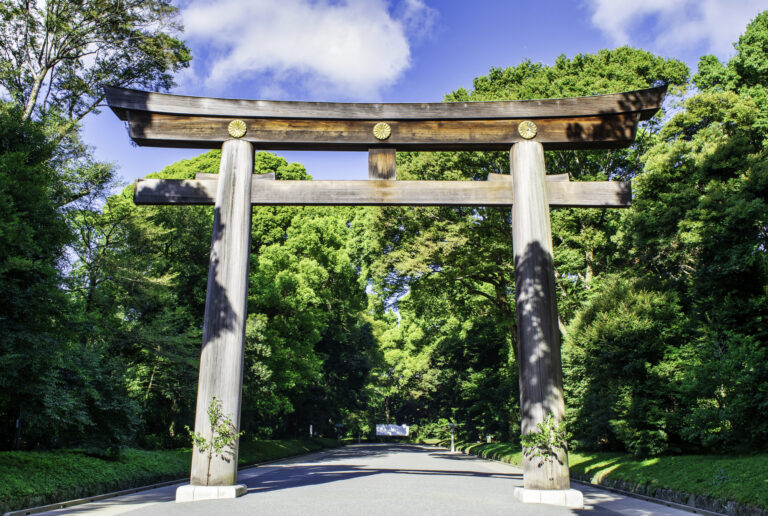
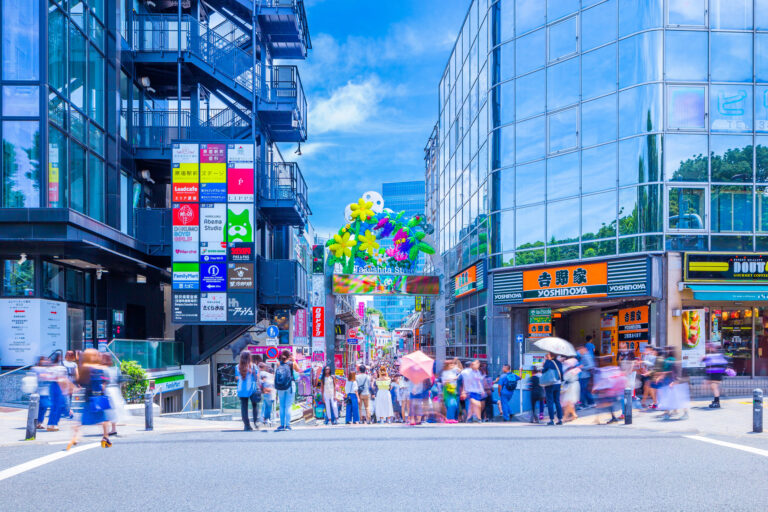
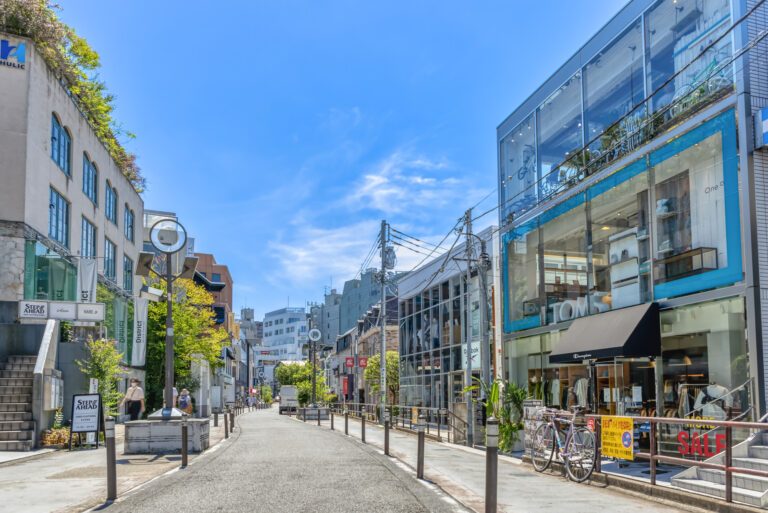
The park does not connect directly with Meiji Jingu; walk along the sidewalk toward Harajuku Station to get there. Opposite the station is Takeshita Street (竹下通り), and heading down Omotesando takes you on foot to Omotesando Hills (表参道ヒルズ) and Cat Street (キャットストリート).
Summary
Yoyogi Park is a free, always-open park beside the Meiji Jingu forest that grew from a parade ground and an Olympic village. Come on a quiet weekday or morning to enjoy the lawns, seasonal trees and the new fountain.
Basic Information
| Item | Details |
|---|---|
| Name | Yoyogi Park (代々木公園) |
| Address | 2-1 Yoyogi-Kamizonocho, Shibuya City, Tokyo (Yoyogi Park Service Center) |
| Opened | 1967 |
| Highlights | Central Plaza lawn and woods, Forest Fountain, Sakura no Sono cherry grove, autumn ginkgo, maple and zelkova, Olympic Memorial Lodge (cafe), monument to Japan’s first powered flight, Bird Sanctuary |
| Things to do | Walking, picnics, cherry-blossom viewing, jogging, cycling, bird-watching, weekend events |
| Hours | Always open (service center 8:30–17:30; Pedariko 9:00–16:30, last rental 16:00) |
| Admission | Free (some facilities charge; bikes without training wheels: 300 yen per hour) |
| Closed | Park: never. Service center: Dec 31–Jan 3. Pedariko: Mondays (following day if a holiday) and Dec 29–Jan 3 |
| Access | About 3 min from JR Harajuku Sta., Yoyogi-koen Sta. (Exit 4) and Meiji-jingumae (Harajuku) Sta. / about 6 min from Yoyogi-Hachiman Sta. (Odakyu Line) |
| Notes | Dog run requires registration. No entry into the Bird Sanctuary. Some areas, including the Rose Garden, are under construction. Crowded on weekends, in cherry-blossom season and on event days |
| Phone | 03-3469-6081 (Yoyogi Park Service Center) |
| Official website | Tokyo Metropolitan Park Association (Japanese) |
Information checked on November 26, 2026 (opening days and admission fee) / Official source checked: Tokyo Metropolitan Park Association, "Yoyogi Park"
Google Map
Nearby sights

about 10 min walk

about 10 min walk

about 20 min walk

Head on from Tokyo to Kamakura
From Harajuku Station, the JR Yamanote Line and Shonan-Shinjuku Line reach Kamakura in about 1 hour 10 minutes. Change to the Shonan-Shinjuku Line at Shibuya. Trains bound for Zushi or Yokosuka run straight through; on trains bound for Odawara, change to the Yokosuka Line at Ofuna. Temples, shrines and the sea: discover the old capital in our Kamakura Travel Guide.