
Yushima Tenmangu Shrine (湯島天満宮)
A hilltop shrine to the god of learning, ringed by white plum
Quick facts
| Hours | Grounds 6:00–20:00. Shrine office counter 9:00–19:30, amulet counter to the right of the main hall 9:00–17:00, prayer rituals 9:00–16:30, Treasure Hall 10:00–16:30 |
|---|---|
| Last entry | Grounds: until closing. Treasure Hall: 16:00 |
| Fees | Free to visit. The Treasure Hall charges admission (check the official site for each exhibition) |
| Closed | None (open every day; hours change over the New Year. Check the Treasure Hall’s opening calendar on the official site; it may close for exhibition changes) |
| Reservations | Not needed (prayer rituals are also received on the day without booking) |
| Best time to visit | Weekday daytime with no festival. Plum blossoms usually peak from mid-February to early March, and weekends during the plum festival are crowded |
| Time needed (approx.) | 30 minutes to 1 hour (longer with the Treasure Hall) |
| Access notes | About 2 min walk from Exit 3 of Yushima Station (Tokyo Metro Chiyoda Line). The Otokozaka, Onnazaka and Meotozaka routes are all stairs; for step-free access walk up Kasuga-dori Avenue (Kiridoshizaka slope) and enter through the front torii |
| Checked / official info | Checked on November 21, 2026 Official website (Japanese) |
What Is Yushima Tenmangu Shrine (湯島天満宮)? | History and Origins
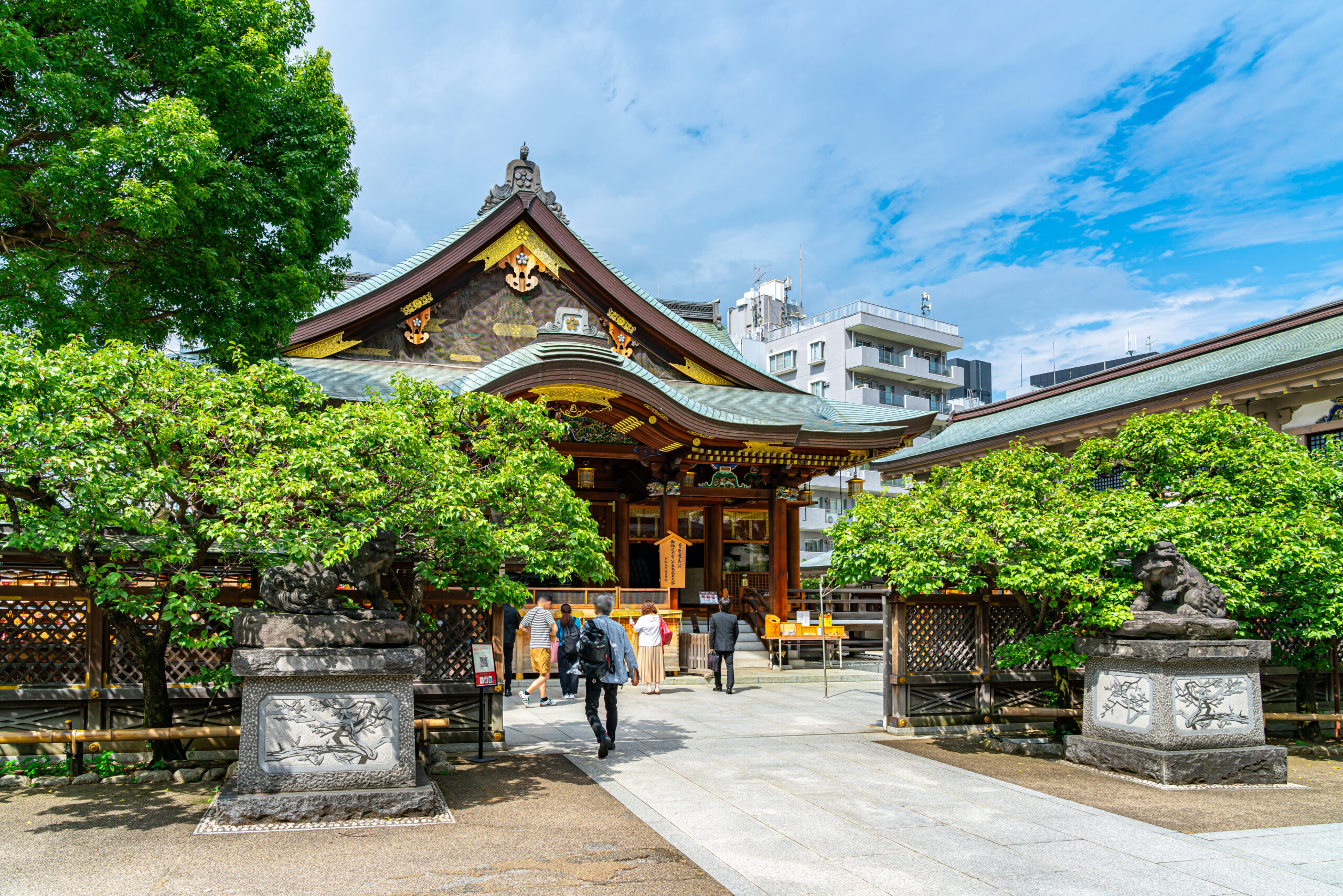
Yushima Tenmangu Shrine (湯島天満宮), also called Yushima Tenjin (湯島天神), stands on a hilltop in Yushima, Bunkyo City, and enshrines Sugawara no Michizane (菅原道真), a 9th-century scholar and statesman who came to be worshipped after his death as Tenjin (天神), the god of learning. According to the shrine’s tradition, it was founded in the 5th century for Ame-no-Tajikarao-no-Mikoto (天之手力雄命), a god of strength from Japanese myth, and in the mid-14th century local people asked for Michizane to be enshrined here as well. In the 15th century the warrior Ota Dokan (太田道灌), best known for building the first Edo Castle, rebuilt the shrine, and in the late 16th century Tokugawa Ieyasu (徳川家康), who went on to found the shogunate that ruled Japan from Edo (present-day Tokyo), granted it land when he arrived in Edo. The present main hall was built of Japanese cypress in 1995; none of the shrine’s original buildings survive.
In the Edo period (17th to mid-19th century), the shrine was a well-known place for plum blossoms, and Confucian scholars such as Hayashi Razan (林羅山) and Arai Hakuseki (新井白石) are said to have visited often. It was also a lively spot, with theater huts in the grounds and teahouses and restaurants outside the gate. Lotteries approved by the shogunate were held here, and Yushima was counted among the “Three Lotteries of Edo” (江戸の三富) with Kannoji Temple (感応寺) in Yanaka (谷中), today’s Tennoji Temple (天王寺), and Meguro Fudo (目黒不動).
The shrine became even more famous through Onna Keizu (婦系図), a novel by the writer Izumi Kyoka (泉鏡花). When it was adapted for the Shinpa stage (新派), a style of modern drama that began in the late 19th century, the lovers’ parting scene was set in the grounds of Yushima Tenjin. A memorial brush mound (筆塚) honoring Kyoka and a monument to the founding of Shinpa stand in the grounds today.
Highlights
Otokozaka and Onnazaka: the Steps Hiroshige Painted
From the east side, two flights of stone steps climb to the hilltop grounds: the steep Otokozaka (男坂, “men’s slope”), 38 steps also known as Tenjin Ishizaka (天神石坂), and the gentler Onnazaka (女坂, “women’s slope”), 33 steps. One print in One Hundred Famous Views of Edo (名所江戸百景), a woodblock print series by the 19th-century artist Utagawa Hiroshige (歌川広重), shows the view from where the two slopes meet: on a clear morning after snow, it looks down toward Bentendo Hall (弁天堂) on Shinobazu Pond (不忍池). Buildings now block the pond, but standing at the top of the steps you can still feel how high the shrine sits above the town.
The Main Hall, the Stroking Ox and Layers of Ema
The main hall draws a steady stream of visitors praying for success in study and exams. Ema, small wooden plaques on which visitors write their wishes, hang here in thick layers, many wishing to pass exams. The stone stroking ox (撫で牛) is said to help the part of your body that you stroke on it, so many students rub its head. If you photograph the ema and share the pictures, make sure no names or wishes can be read. Photography is not allowed inside the main hall and worship hall.
The Plum Garden
The shrine’s plum trees honor Michizane, who loved plum blossoms. About 300 trees, mostly white plum, grow in the grounds. The plum garden was ruined during the war and, according to local reports, was replanted afterwards by people from the neighborhood; many of today’s trees are about 70 to 80 years old.
Kamakura’s own Tenjin shrine
In Kamakura, Egara Tenjin Shrine (荏柄天神社) also enshrines Michizane, with red and white plum blossoms on either side of its hall. Tradition says that Minamoto no Yoritomo (源頼朝), the warrior leader who founded the Kamakura shogunate (Japan’s first samurai government), built its hall to guard the northeast, the unlucky direction, of his government’s headquarters.
Kien Hyojin-seki and the Treasure Hall
Kien Hyojin-seki (奇縁氷人石) is a stone post used in the Edo period to find lost children. One side reads “for those searching” and the other “for those who can tell”: people looking for a child and people who had found one each posted notes describing the child. The Treasure Hall displays the portable shrine (mikoshi) carried at the annual festival, along with items linked to Michizane and donated paintings, calligraphy and crafts. It is not always open, so check the opening calendar on the official site before you go.
Goshuin
Goshuin, handwritten shrine seals collected in a special book, are given at the shrine office to the left of the main hall. Writing directly in your own book ends earlier in the day than the sale of pre-written seals on paper. Amulets and ema are available both at the shrine office on the left and at the amulet counter to the right of the main hall.
Access and Opening Hours
The nearest station is Yushima Station (湯島駅) on the Tokyo Metro Chiyoda Line, about 2 minutes on foot from Exit 3. Ueno-hirokoji Station (上野広小路駅) and Ueno-okachimachi Station (上野御徒町駅) are about 5 minutes from Exit A4, and JR Okachimachi Station (御徒町駅) is about 8 minutes from the North Exit. The Otokozaka, Onnazaka and Meotozaka (夫婦坂) approaches are all stairs, so with a wheelchair or stroller, leave Yushima Station by Exit 3, walk up Kiridoshizaka (切通坂) on Kasuga-dori Avenue (春日通り), pass under the great torii (the gate marking a shrine’s sacred ground) and enter through the front torii (表鳥居). This route also slopes, so allow extra time.
The grounds open early in the morning and stay open into the evening, but the amulet counters, prayer reception and Treasure Hall close earlier. Prayer rituals need no booking and are received on the day. Allow about 30 minutes just to pray, or about an hour to see the plum garden and monuments as well. The shrine has no parking of its own, and the neighboring coin car parks are closed over the New Year and during major festivals. There is a public toilet in the grounds.
Best Time to Visit
Plum blossoms usually peak from mid-February to early March, when the Bunkyo Plum Festival (文京梅まつり) brings events such as nodate (野点, an outdoor tea ceremony), and after dark the trees are lit up as “Yakanbai” (夜神梅). Festival weekends and holidays, and the stretch from New Year through exam season, bring crowds, with lines in front of the main hall and at the amulet counters. In November the Bunkyo Chrysanthemum Festival (文京菊まつり) fills the grounds with chrysanthemums and chrysanthemum dolls. On weekdays without events, and in other seasons, you can walk the grounds at a relaxed pace.
Nearby Spots
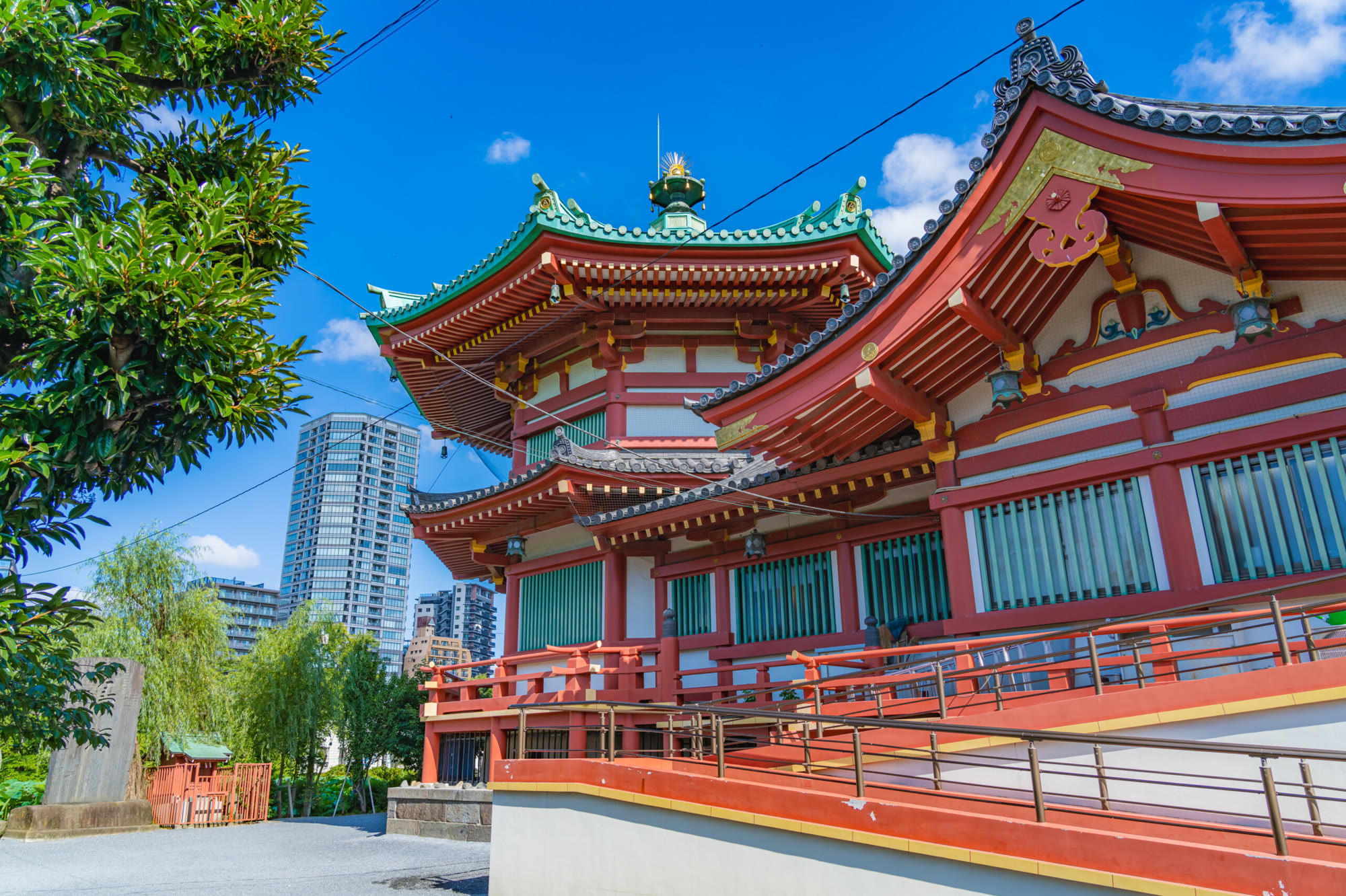
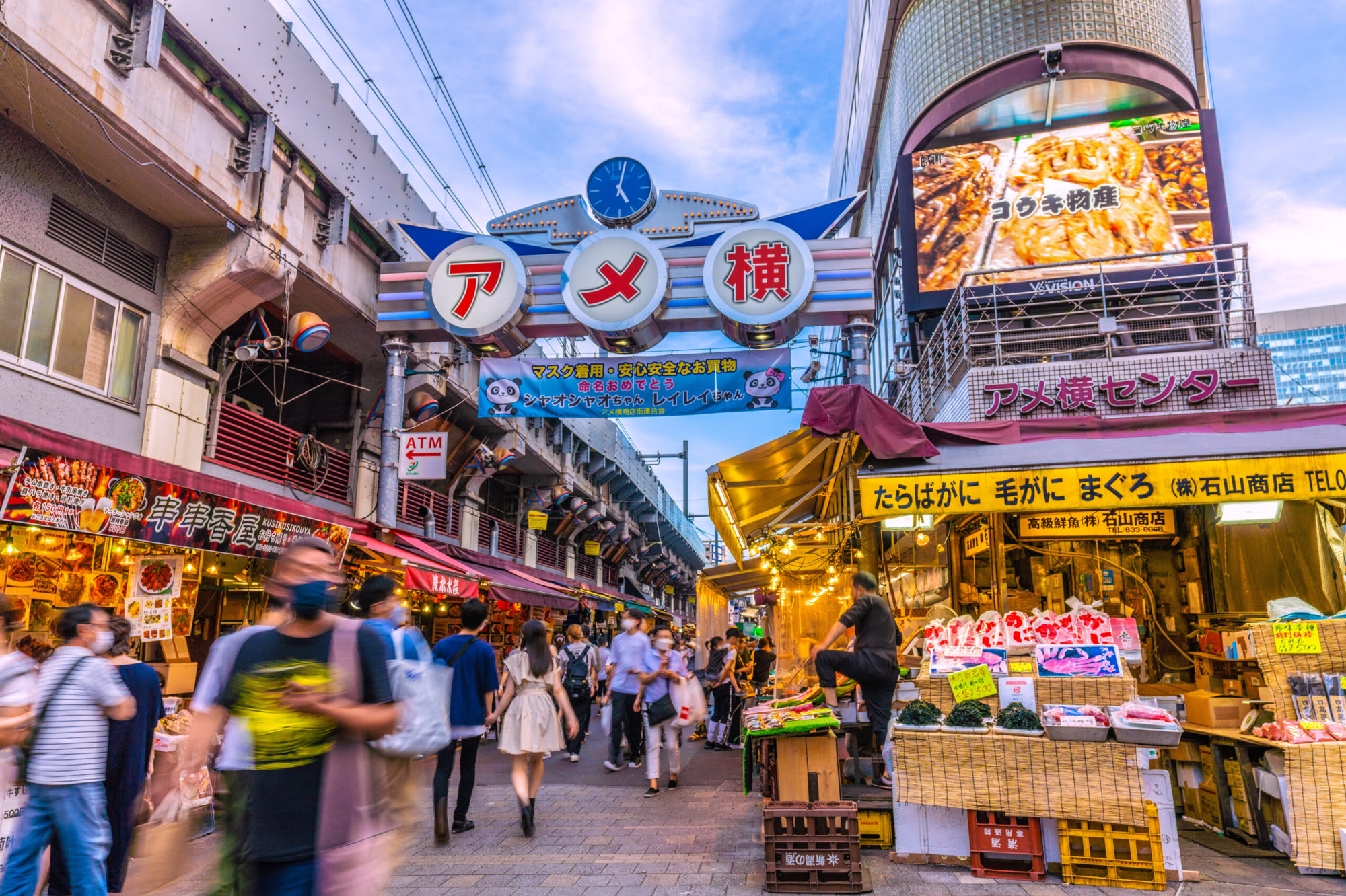
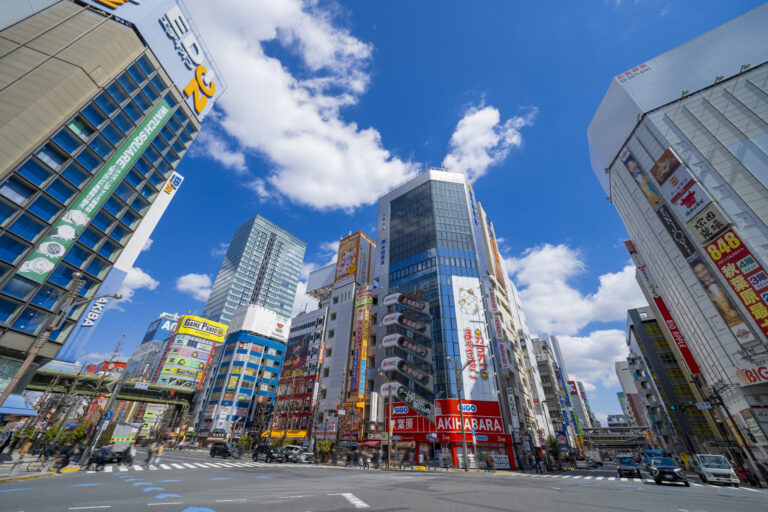
Walk down Otokozaka and head east to reach Shinobazu Pond & Bentendo (不忍池・弁天堂), the pond in the distance of Hiroshige’s print, in 10 minutes (approx.), and continue into Ueno. Toward Okachimachi Station lies Ameyoko (アメ横), a market street along the railway tracks, and a longer walk south takes you to Akihabara (秋葉原).
Summary
Yushima Tenmangu Shrine is a hilltop shrine said to date from the 5th century, where Sugawara no Michizane has been worshipped since the 14th century. A few minutes from the station, you can climb the Otokozaka steps, see the layered ema and the stroking ox, and walk among white plum trees.
Basic Information
| Item | Details |
|---|---|
| Name | Yushima Tenmangu Shrine (湯島天満宮), also called Yushima Tenjin (湯島天神) |
| Deities | Sugawara no Michizane, Ame-no-Tajikarao-no-Mikoto |
| Address | 3-30-1 Yushima, Bunkyo City, Tokyo (東京都文京区湯島3-30-1) |
| Highlights | Otokozaka (38 steps) and Onnazaka (33 steps), cypress main hall, stroking ox, ema, plum garden (about 300 trees, mostly white plum), front torii (bronze, Tokyo Metropolitan Tangible Cultural Property), Kien Hyojin-seki, Izumi Kyoka’s brush mound and the Shinpa monument, Treasure Hall |
| Things to do | Worship, prayer rituals such as for exam success (no booking), goshuin, stroking ox, plum festival (blossoms usually peak mid-February to early March), chrysanthemum festival (November) |
| Hours | Grounds 6:00–20:00 / shrine office counter 9:00–19:30 / amulet counter 9:00–17:00 / prayer reception 9:00–16:30 / goshuin 9:00–19:00 (writing in your own book until 17:00) / Treasure Hall 10:00–16:30 (last entry 16:00) |
| Closed | None (hours change over the New Year; Treasure Hall: see opening calendar, may close temporarily) |
| Admission | Free / Treasure Hall: charged (check the official site for each exhibition) |
| Access | Tokyo Metro Chiyoda Line Yushima Station Exit 3, 2 min walk / Tokyo Metro Ginza Line Ueno-hirokoji Station Exit A4, 5 min / Toei Oedo Line Ueno-okachimachi Station Exit A4, 5 min / JR Okachimachi Station North Exit, 8 min / Tokyo Metro Marunouchi Line Hongo-sanchome Station, 10 min |
| Notes | Otokozaka, Onnazaka and Meotozaka are stairs; wheelchairs and strollers use Kiridoshizaka on Kasuga-dori to the front torii (sloped). No photography inside the main hall and worship hall. When sharing photos of ema, keep names and wishes unreadable |
| Restrooms | Yes (public toilet in the grounds) |
| Parking | No shrine parking (neighboring coin car parks close over the New Year and during major festivals) |
| Phone | +81-3-3836-0753 |
| Official website | https://www.yushimatenjin.or.jp/ (Japanese) |
Information checked on November 21, 2026 (visiting, prayer and amulet-counter hours, closed days and the treasure hall) / Official source checked: Yushima Tenmangu Shrine official website
Google Map
Nearby sights

about 10 min walk
about 10 min walk

about 15 min walk
Tokyo Metro Marunouchi Line, Hongo-sanchome → Korakuen, 1 stop (approx.)

Head on from Tokyo to Kamakura
From Okachimachi Station, the JR Yamanote Line or Keihin-Tohoku Line and the Yokosuka Line reach Kamakura in about 1 hour 20 minutes. Change to the Yokosuka Line at Tokyo Station (walk from the shrine to JR Okachimachi Station). Temples, shrines and the sea: discover the old capital in our Kamakura Travel Guide.