
Tokyo Dome City (東京ドームシティ)
A roller coaster that threads through a hollow Ferris wheel
Quick facts
| Hours | Tokyo Dome City Attractions: usually 10:00–20:00, until 21:00 on some days (varies by season and ride; see the official opening-hours calendar) |
|---|---|
| Last entry | Entry to the park is free and open. Each ride has its own last boarding time (check the official site) |
| Fees | Free admission. Rides are paid one at a time, or with an unlimited-ride One-Day Passport (adults 4,900 / 5,300 / 5,800 yen for price bands A, B and C, which depend on the day). Check the day’s band on the official hours and prices page |
| Closed | Open every day (individual rides close for inspections or bad weather) |
| Reservations | Not needed. Buy tickets in the park on the day, or in advance from the official e-Ticket store (some ticket types must be exchanged at the ticket counter) |
| Best time to visit | Weekdays, which are usually quieter. From late afternoon for the lit-up rides and night views |
| Time needed (approx.) | 2–3 hours |
| Access notes | Right by Suidobashi Station (JR Chuo-Sobu Line local trains, Toei Mita Line) and Korakuen Station (Tokyo Metro Marunouchi and Namboku lines). Step-free routes start from the East Exit of JR Suidobashi Station or Exit A2 of the Toei Mita Line |
| Checked / official info | Checked on November 21, 2026 Official website |
What Is Tokyo Dome City (東京ドームシティ)? | History and Origins
Tokyo Dome City (東京ドームシティ) is the entertainment district around Tokyo Dome (東京ドーム), the city’s covered baseball and concert stadium, in Bunkyo City (文京区). Next to the stadium are an amusement park, Tokyo Dome City Attractions (東京ドームシティ アトラクションズ), the LaQua (ラクーア) complex with a natural hot-spring spa, a hotel and several halls. The amusement park charges no admission: you can stroll through it for free and pay only for the rides you choose. It was known as Korakuen Amusement Park (後楽園ゆうえんち) until it took its present name in 2003.
The name Korakuen, still used for the station and the area, is said to come from the garden next door, Koishikawa Korakuen Gardens (小石川後楽園), begun in the early 17th century as the estate garden of the Mito Tokugawa family, a branch of the family of shoguns who ruled Japan from Edo, today’s Tokyo. The name LaQua also has a story: according to the operator, it combines the French article “La,” the Japanese word raku (楽), meaning ease or enjoyment, and “aqua,” meaning water.
Highlights
Thunder Dolphin and Big-O
The Thunder Dolphin (サンダードルフィン) roller coaster weaves between buildings and shoots through the ring of Big-O (ビッグ・オー), a Ferris wheel with an empty center. The operator describes Big-O as the world’s first Ferris wheel with a hollow center, and one turn takes about 15 minutes. The gondolas have karaoke, so you can sing on the way round. Big-O runs in the rain, but Thunder Dolphin stops in wet weather and has age and height limits.
Play areas for small children
Gentle rides for younger children sit alongside the thrill rides, and the indoor play facility ASOBono! (アソボーノ) has a space for babies and a place to park strollers. A family can mix big rides and small ones in the same day.
Evening lights and winter illuminations
From late afternoon the rides light up, and the Big-O gondolas look out over the city at night. Every year from mid-November to the end of February, the whole of Tokyo Dome City holds a winter illumination. Winter nights are cold, so bring warm layers if you plan to walk around the lights.
Access and Opening Hours
Tokyo Dome City is right next to Suidobashi Station (水道橋駅), served by JR Chuo-Sobu Line local trains and the Toei Mita Line, and Korakuen Station (後楽園駅) on the Tokyo Metro Marunouchi and Namboku lines. Kasuga Station (春日駅) on the Toei Oedo Line is also within walking distance. From the West Exit of JR Suidobashi Station, the route crosses the Korakubashi footbridge (後楽橋) and climbs a flight of stairs. With a stroller or wheelchair, use the East Exit instead and follow the elevator route shown on the official site; on the Toei Mita Line, Exit A2 is the step-free choice.
Park hours change by day and season, and each ride stops boarding at a different time, so check the official opening-hours calendar before you go. The One-Day Passport price also depends on the day. Some rides close on set days and hours for inspections, outdoor rides stop in the rain, and the operator does not refund passports because a ride is closed. If there is a ride you really want, look at the official ride closure schedule first. Allow about 2–3 hours.
Best Time to Visit
Holidays and days with a concert or game at Tokyo Dome bring big crowds and longer waits, while weekdays are usually quieter. Summer afternoons outdoors are very hot, and some visitors wait until evening. From late afternoon into the night you get the lit-up rides and the night view from Big-O, and in winter the illuminations as well.
Nearby Spots
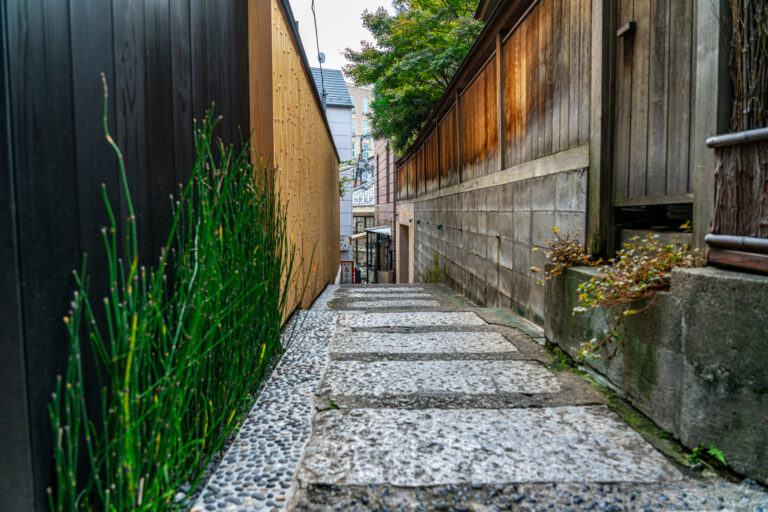
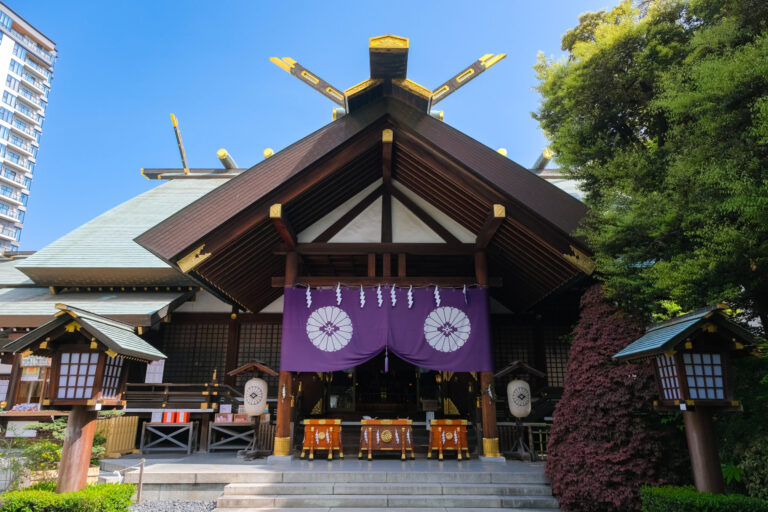
Beside Tokyo Dome is the Japanese Baseball Hall of Fame and Museum (野球殿堂博物館), which tells the story of baseball in Japan and pairs well with a park visit for baseball fans. After a walk in Koishikawa Korakuen next door, a garden made for a daimyo (a feudal lord of the Edo period) family, ride JR Chuo-Sobu Line local trains one stop to Iidabashi (飯田橋) for Kagurazaka (神楽坂), a hillside district of stone-paved lanes, or Tokyo Daijingu Shrine (東京大神宮), a Shinto shrine where many people pray for a good match in love and marriage.
Summary
Tokyo Dome City Attractions is a free-entry amusement park beside Suidobashi and Korakuen stations, best known for the Thunder Dolphin coaster running through the ring of the Big-O Ferris wheel. Hours and passport prices change by the day, so check the official calendar and ride closure schedule before you set out.
Basic Information
| Item | Details |
|---|---|
| Name | Tokyo Dome City (東京ドームシティ) / Tokyo Dome City Attractions (東京ドームシティ アトラクションズ) |
| Address | 1-3-61 Koraku, Bunkyo City, Tokyo |
| Highlights | Thunder Dolphin, Big-O (hollow-centered Ferris wheel with karaoke gondolas), children’s rides, ASOBono!, evening lights, winter illumination |
| Things to do | Rides (pay per ride or One-Day Passport), night views from the Ferris wheel, walking the illuminations |
| Hours | Attractions: usually 10:00–20:00, until 21:00 on some days (varies by day, season and ride) |
| Closed | Open every day (individual rides close for inspections or bad weather) |
| Admission | Free. Rides: 600–1,800 yen per ride, or One-Day Passport (adults 4,900 / 5,300 / 5,800 yen for price bands A / B / C; seniors and junior high/high school students 4,300 / 4,700 / 5,200 yen; elementary school children 3,600 / 4,000 / 4,500 yen; preschoolers 2,600 / 3,000 / 3,500 yen). The band depends on the day. A discounted night passport is also available |
| Access | JR Chuo-Sobu Line (local) Suidobashi Sta., West/East Exit, right by / Toei Mita Line Suidobashi Sta. Exit A2, right by / Tokyo Metro Marunouchi and Namboku lines Korakuen Sta., right by / Toei Oedo Line Kasuga Sta., walking distance |
| Notes | No passport refunds for ride closures. Rides close on set days for inspections (see the official closure schedule). Thunder Dolphin stops in rain and has age and height limits. Step-free routes from the East Exit of JR Suidobashi Station and Toei Mita Line Exit A2 |
| Official website | https://www.tokyo-dome.co.jp/at-raku/ |
Information checked on November 21, 2026 (business hours and fees) / Official source checked: Tokyo Dome City Attractions official website
Google Map
Nearby sights

1 stop on JR Chuo-Sobu Line local trains (Suidobashi to Iidabashi)
about 15 min walk
about 20 min walk
1 stop on the Tokyo Metro Marunouchi Line (Korakuen to Hongo-sanchome), then about 10 min walk
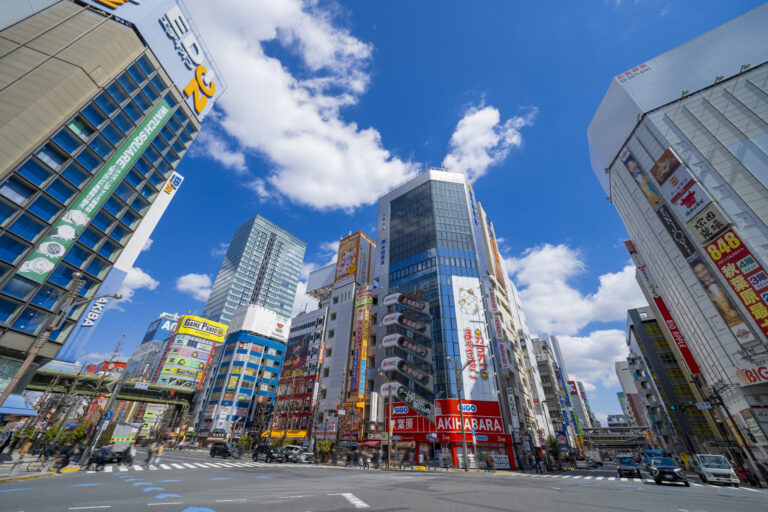
2 stops on JR Chuo-Sobu Line local trains (Suidobashi to Akihabara)

Head on from Tokyo to Kamakura
From Suidobashi, JR Chuo-Sobu Line local trains, the Chuo Line Rapid and the Yokosuka Line reach Kamakura in about 1 hour 15 minutes. Change to the Chuo Line Rapid at Ochanomizu and to the Yokosuka Line at Tokyo Station. Temples, shrines and the sea: discover the old capital in our Kamakura Travel Guide.