
The National Art Center, Tokyo (国立新美術館)
A national museum with no collection, behind waves of glass
Quick facts
| Hours | 10:00–18:00 (until 20:00 on Fridays and Saturdays during special exhibitions). Hours may differ by exhibition |
|---|---|
| Last entry | 30 min before closing |
| Fees | Entry to the building is free. Each exhibition sets its own admission fee |
| Closed | Tuesdays (open on a public or substitute holiday, closed the next weekday instead) and New Year holidays |
| Reservations | Not needed to enter the building. Ticketing (including timed-entry tickets) differs by exhibition; see each exhibition’s page on the official website |
| Best time to visit | Weekday mornings right after opening. Open in the evening on Fridays and Saturdays during special exhibitions |
| Time needed (approx.) | 1–1.5 hours per special exhibition (depends on how many you see) |
| Access notes | Directly connected to Exit 6 (Aoyama Cemetery-side gate) of Nogizaka Station, Tokyo Metro Chiyoda Line. About 5 min from Exit 4a of Roppongi Station (Hibiya Line), about 4 min from Exit 7 of Roppongi Station (Toei Oedo Line). No parking |
| Checked / official info | Checked on Nov 17, 2026 Official website |
What Is The National Art Center, Tokyo (国立新美術館)? | History and Origins
The National Art Center, Tokyo (国立新美術館) is a national art museum in Roppongi (六本木) built as an “art center” with no collection and no permanent display. Its 12 galleries and about 14,000 square meters of exhibition space, among the largest in Japan, host special exhibitions organized by the museum and open-call exhibitions run by art associations, taking turns. Several shows usually run at once, so what you can see changes from visit to visit. It opened in 2007.
The site once held barracks of the former Imperial Japanese Army, which existed until the end of World War II. After the war the building served as a University of Tokyo research institute, and part of it was kept and renovated as today’s Annex.
Highlights
A Rippling Glass Facade and a “Museum in a Forest”
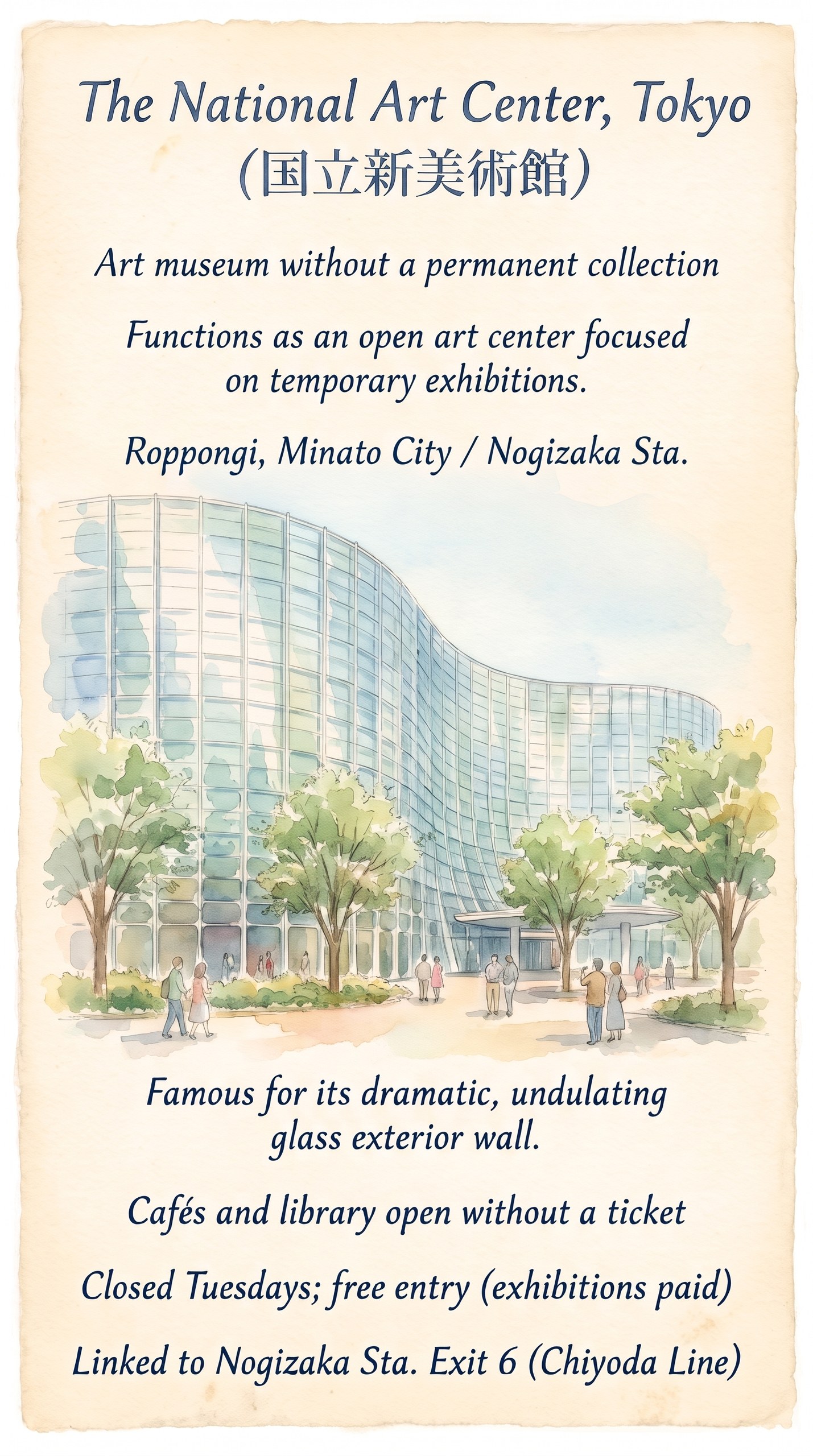
The front of the building is covered by a glass curtain wall that undulates like a wave. It was designed by the architect Kurokawa Kisho (黒川紀章), known as one of the founders of Metabolism, a 1960s Japanese movement that saw cities and buildings as living things that grow and change. It is said to be the last museum he designed. The glass wall is about 22 m high and 160 m long; louvers printed with dots soften the sunlight and give it a lattice pattern from outside. The concept is a “museum in a forest,” with trees planted to link it to the greenery of neighboring Aoyama Cemetery (青山霊園) and Aoyama Park.
Japan’s first public modern art museum, in Kamakura
In contrast to Kurokawa’s wave of glass, the grounds of Tsurugaoka Hachimangu Shrine (鶴岡八幡宮), the leading shrine of Kamakura, keep the building that opened in 1951 as Japan’s first public museum of modern art, designed by Sakakura Junzo (坂倉準三), a pupil of Le Corbusier. It is now used as the Tsurugaoka Museum of Kamakura (鎌倉文華館 鶴岡ミュージアム).
A Pillar-Free Atrium and Cafés on Inverted Cones
The ground-floor lobby (atrium) is an open space without a single pillar holding up the roof and glass walls; its ceiling rises 21.6 m and it runs about 150 m east to west. Two inverted cones rise from the lobby, topped by the second-floor tearoom Salon de Thé Rond (サロン・ド・テ ロンド) and the third-floor restaurant Brasserie Paul Bocuse Musée (ブラッスリー ポール・ボキューズ ミュゼ); from below they seem to float in the air. Salon de Thé Rond appears in a date scene in the anime film Your Name. (君の名は。, 2016) by director Shinkai Makoto (新海誠). Sunlight through the glass changes the feel of the interior from morning to midday to evening.
Cafés, Shop and Library Open Without a Ticket
Entering the building is free; you pay only to see an exhibition. The lobby, four places to eat and drink including a café on the ground floor and a cafeteria in the basement, the basement museum shop Souvenir from Tokyo (スーベニアフロムトーキョー) and the third-floor Art Library, where you can read art books beside a small bamboo garden, can all be used without a ticket. There are plenty of chairs and benches, so you can rest as you go.
Access and Opening Hours
The museum is connected by a passage to Exit 6, beyond the Aoyama Cemetery-side ticket gate of Nogizaka Station (乃木坂駅) on the Tokyo Metro Chiyoda Line, with step-free access; even so, there is a short walk to the entrance. It is about 5 minutes on foot from Exit 4a of Roppongi Station on the Tokyo Metro Hibiya Line and about 4 minutes from Exit 7 of Roppongi Station on the Toei Oedo Line. There is no parking for general visitors.
Opening hours and closing days change depending on whether a special exhibition is on and on public holidays, so check the Quick facts and Basic Information tables. During special exhibitions the museum stays open into the evening on Fridays and Saturdays. Admission fees and ticketing, including whether you need a timed-entry ticket, differ by exhibition, so check the official website for what is on and how to buy tickets before you go. The museum suggests about 1 to 1.5 hours per special exhibition. Each floor has multipurpose restrooms and coin lockers that return your coin after use, and wheelchairs and strollers can be borrowed free on the ground floor. A childcare service is offered three times a month by reservation.
Best Time to Visit
Special exhibitions that draw large crowds, and weekends, get busy, so weekday mornings right after opening suit a calmer visit. The direct station link makes it easy to reach on rainy days, but the galleries are kept cool to protect the art, often cooler than outside even in summer, so bring a layer. Whether you can take photos depends on the exhibition, and monopods and tripods are not allowed even where photography is permitted.
Nearby Spots
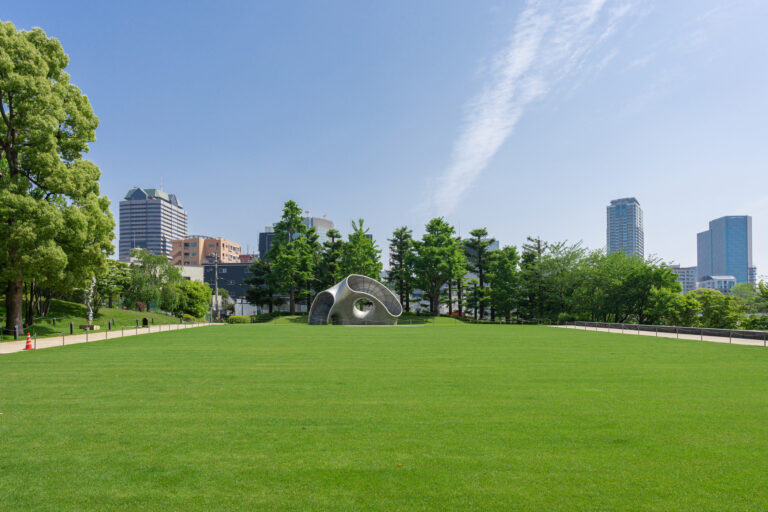
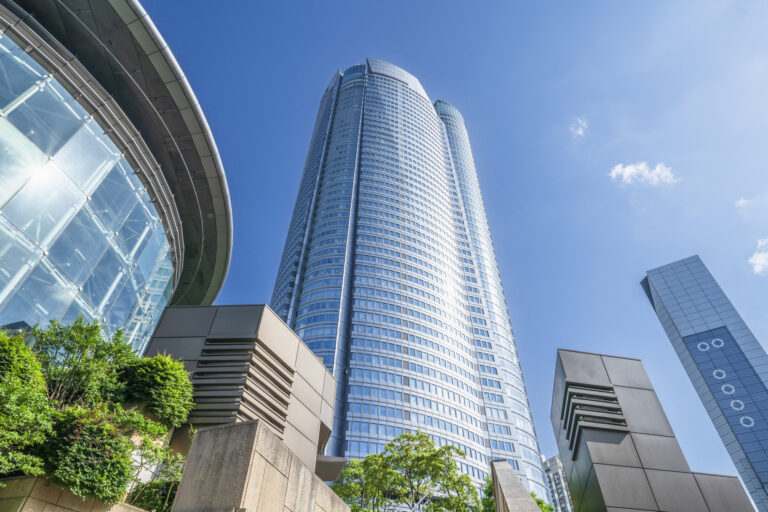
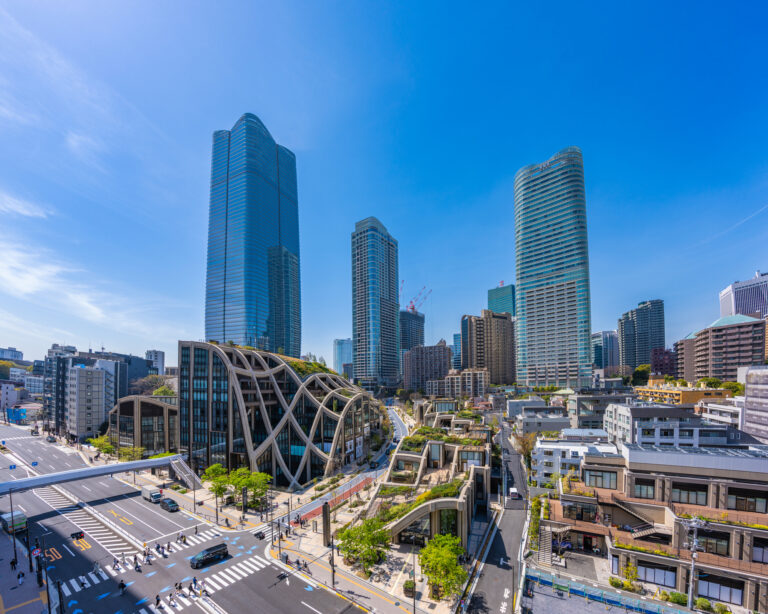
Tokyo Midtown (東京ミッドタウン) and Roppongi Hills (六本木ヒルズ) are within walking distance, and with the Suntory Museum of Art (サントリー美術館) and the Mori Art Museum (森美術館) inside them you can visit several Roppongi museums in a row. For teamLab Borderless (チームラボボーダレス) at Azabudai Hills (麻布台ヒルズ), take the Hibiya Line one stop from Roppongi to Kamiyacho Station (神谷町駅), which connects directly.
Summary
The National Art Center, Tokyo opened in 2007 as a national museum without a collection, where special and open-call exhibitions take turns. Entry is free, and its rippling glass facade and pillar-free atrium are a short walk from Nogizaka Station, whether or not you see an exhibition.
Basic Information
| Item | Details |
|---|---|
| Name | The National Art Center, Tokyo (国立新美術館) |
| Address | 7-22-2 Roppongi, Minato City, Tokyo |
| Highlights | Rippling glass curtain wall, pillar-free atrium with a 21.6 m ceiling, tearoom and restaurant on inverted cones |
| Things to do | Special and open-call exhibitions, Art Library (free), restaurant and cafés, museum shop |
| Hours | 10:00–18:00 (until 20:00 Fri & Sat during special exhibitions; last entry 30 min before closing; hours may differ by exhibition) |
| Closed | Tuesdays (next weekday if a holiday), New Year holidays |
| Admission | Free entry. Exhibition fees vary by exhibition (free exhibition admission for a disability certificate holder and one carer) |
| Access | Tokyo Metro Chiyoda Line Nogizaka Sta. Exit 6, direct / Hibiya Line Roppongi Sta. Exit 4a, about 5 min / Toei Oedo Line Roppongi Sta. Exit 7, about 4 min |
| Parking | None for general visitors (accessible parking via the West Gate) |
| Restrooms | Yes (multipurpose restrooms on every floor). Coin lockers return your 100-yen coin after use |
| Phone | +81-50-5541-8600 (Hello Dial) |
| Official website | https://www.nact.jp/english/ |
Information checked on November 26, 2026 (opening hours and closing days) / Official source checked: The National Art Center, Tokyo official website
Google Map
Nearby sights

About 5 min on foot
About 10 min on foot

About 5 min walk + 1 stop on the Hibiya Line (Roppongi to Kamiyacho)

Head on from Tokyo to Kamakura
From Roppongi, the Tokyo Metro Hibiya Line and the JR Shonan-Shinjuku Line reach Kamakura in about 1 hour 10 minutes. Change to the Shonan-Shinjuku Line at Ebisu. Trains bound for Zushi or Yokosuka run straight through; on trains bound for Odawara, change to the Yokosuka Line at Ofuna. Temples, shrines and the sea: discover the old capital in our Kamakura Travel Guide.