
teamLab Borderless (チームラボボーダレス)
A map-free museum where artworks roam from room to room
Quick facts
| Hours | 8:30–21:00 (some days close at 17:00 or 22:00) |
|---|---|
| Last entry | 1 hour before closing |
| Fees | Adults (18+) from 3,400 yen (varies by date), ages 13–17: 2,800 yen, ages 4–12: 1,500 yen, 3 and under free. 200 yen extra if bought on site |
| Closed | Irregular (closing dates are listed on the official website) |
| Reservations | Buy a timed-entry ticket in advance on the official ticket website. Same-day tickets are sold on site only while they last |
| Best time to visit | The first entry slot of the morning; it gets busier as the day goes on |
| Time needed (approx.) | 1.5–2 hours. No time limit, no re-entry |
| Access notes | 2 min via an underground passage from Exit 5 of Kamiyacho Station (Tokyo Metro Hibiya Line); 6 min via an underground passage from Exit 4 of Roppongi-itchome Station (Tokyo Metro Namboku Line) |
| Checked / official info | Checked on Nov 17, 2026 Official website |
What Is teamLab Borderless (チームラボボーダレス)? | History and Origins
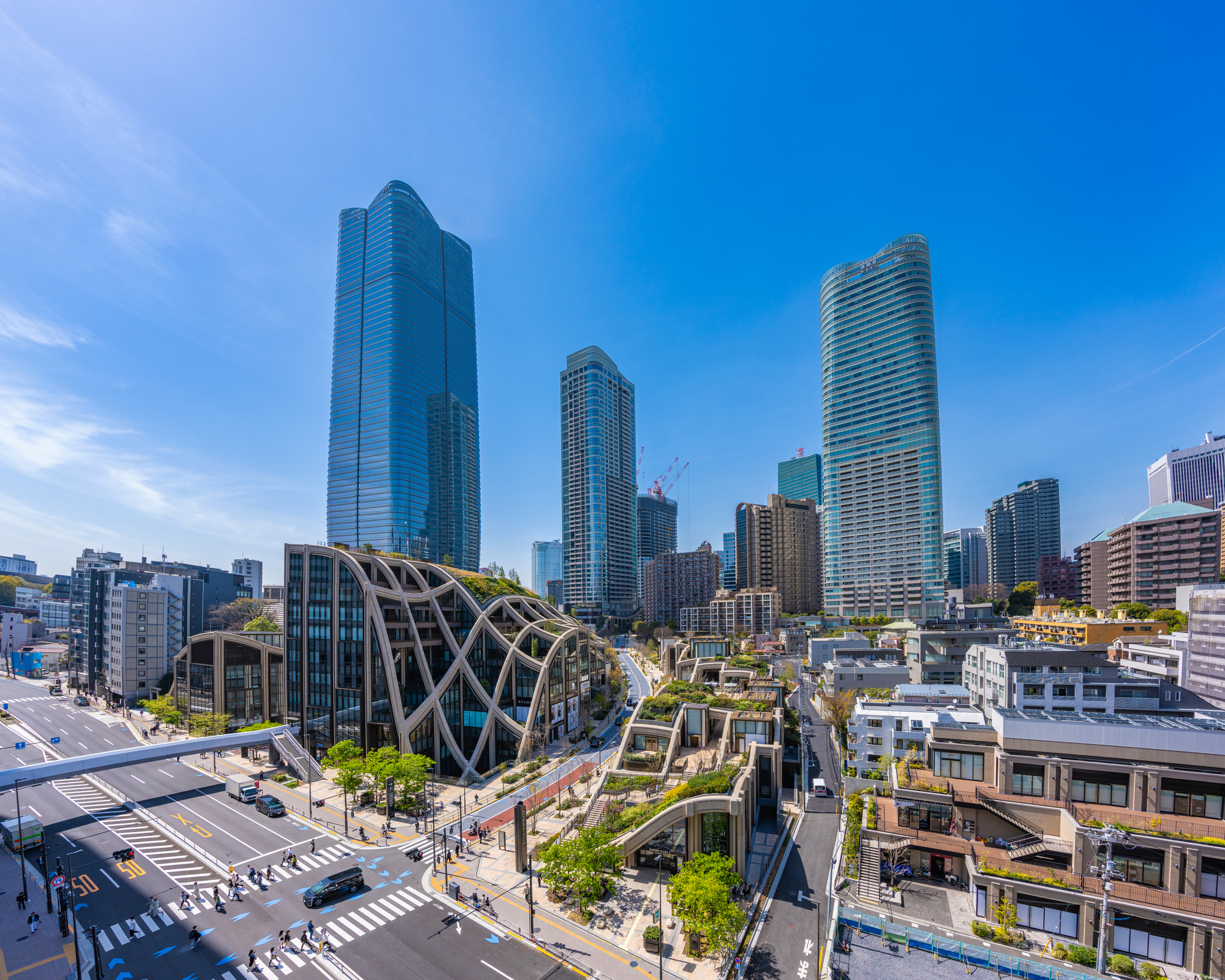
teamLab Borderless (チームラボボーダレス) is a digital art museum on the first basement floor of Azabudai Hills (麻布台ヒルズ), a new urban complex in central Tokyo. Its full name is teamLab Borderless: MORI Building DIGITAL ART MUSEUM. It was created by the developer Mori Building (森ビル) and teamLab, an art collective that makes artworks with digital technology. The museum first opened in Odaiba (お台場), a waterfront district on Tokyo Bay, and moved here to reopen in 2024.
There is no map, no set route and no label next to any work. About 70 artworks leave their rooms, travel along corridors and into other spaces, and collide and blend with other works. You wander, get a little lost and discover the works for yourself. New works are added and others are reworked, so what you meet depends on when you visit.
Highlights
Sketch Ocean: Your Drawing Swims Through the Museum
In Sketch Ocean (スケッチオーシャン), you color in a fish on paper and watch it come to life as a projection. It then swims out of the room and into other artworks. You can also have your drawing made into goods such as a badge. Near the entrance, one work shows words floating in the air, but only when you look through your smartphone camera from a marked spot; with the naked eye you see nothing.
Rooms of Light Columns and Glowing Spheres
Infinite Crystal World is a room where columns of light seem to go on forever; choose an item on your smartphone and throw it in, and a three-dimensional image appears. Bubble Universe is a room filled with countless spheres, and light mixes inside each one. Many rooms have mirrored floors, and you can take photos and videos as you walk. If you wear white, the projections appear on your clothes too.
Flowers and Landscapes That Follow the Real Season and Time
In the flower artworks, petals scatter when you touch or step on them, and the flowers change with the actual season (spring cherry blossoms give way to summer sunflowers, for example). In another work, a satoyama landscape (the rural hills and rice fields where people and nature live side by side in Japan) shifts with the real time of day, and rice plants and petals sway as you move.
A Tea House Where Flowers Bloom in Your Cup
Inside the museum, EN TEA HOUSE Genkatei (幻花亭) is a dark tea room where flowers bloom in your tea once it is poured, and keep blooming as long as there is tea in the bowl. It costs extra on top of admission, and each person must order one drink.
Access and Opening Hours
teamLab Borderless is a 2-minute walk from Exit 5 of Kamiyacho Station (神谷町駅) on the Tokyo Metro Hibiya Line and a 6-minute walk from Exit 4 of Roppongi-itchome Station (六本木一丁目駅) on the Tokyo Metro Namboku Line. Both routes use underground passages, so you do not need to go up to street level.
Closing times vary by date, and closing days are not fixed to a weekday, so check the official website for the day you plan to visit. Admission is a timed-entry Entrance Pass whose price varies by date, and children 3 and under are free. If tickets remain, you can buy them on site on the day, but they cost more than buying in advance and can sell out. There is no time limit once you are inside, but you cannot re-enter. Allow about 1.5–2 hours.
Children in elementary school or younger must be accompanied by an adult aged 18 or over, with one adult for every five children. Strollers are not allowed inside and must be left in the luggage room, and there is no nursing room in the museum (use the one in Azabudai Hills). Wheelchair users can enter, but some works cannot be reached by wheelchair and the number of wheelchairs admitted at once is limited. Photos and videos are fine, but monopods, tripods and selfie sticks 30 cm or longer, lighting and flash are not.
Best Time to Visit
The first entry slot of the morning is relatively quiet, and the museum fills up as the day goes on. With no route to follow, it is easy to pass the same spot twice or miss a room, so ask the staff if you are looking for a particular work.
The museum is dark, with uneven floors and low ceilings in places, plus flashing lights, loud sounds and scents. Some people feel slightly dizzy from the light and images. Some works have mirrored floors, and wraps are available near them for visitors wearing skirts. If you bring small children, make sure they are comfortable in the dark, and hold hands so you do not lose each other.
Nearby Spots
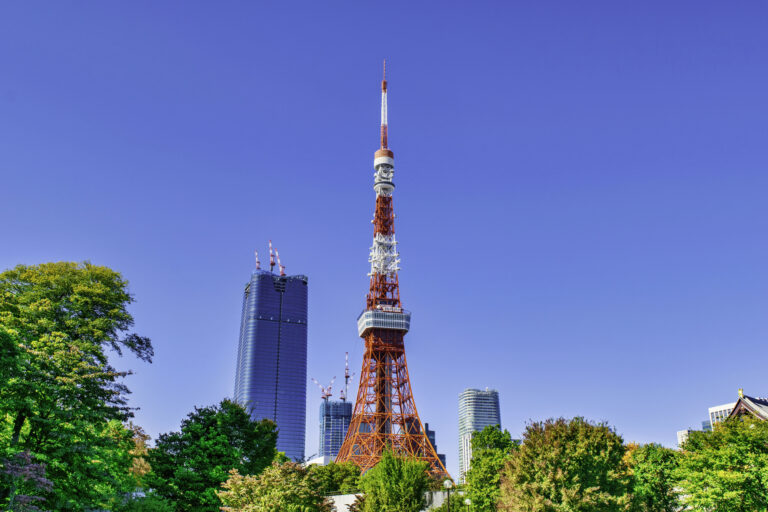
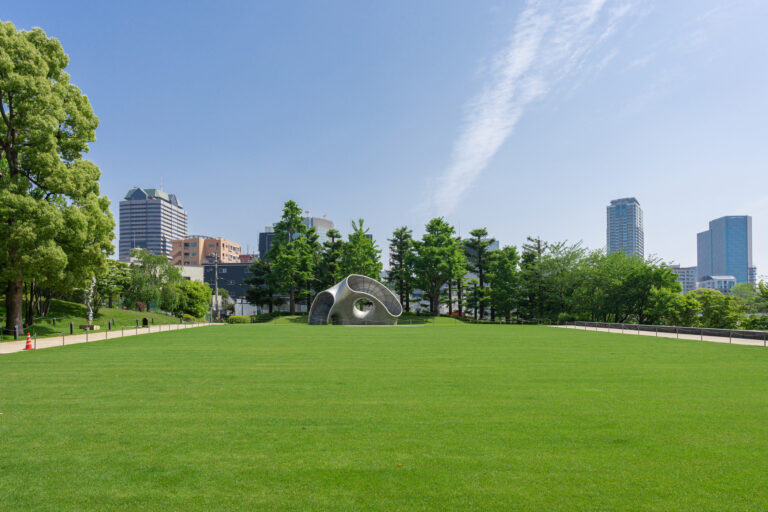
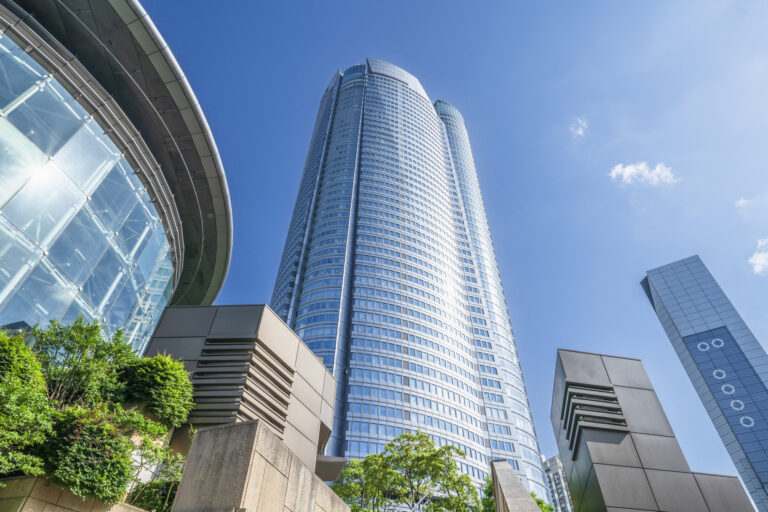
Tokyo Tower (東京タワー) is within walking distance. For Roppongi Hills (六本木ヒルズ) and Tokyo Midtown (東京ミッドタウン), take the Hibiya Line one stop from Kamiyacho to Roppongi. The museum has no restaurant or café, only vending machines and EN TEA HOUSE, so eat at the restaurants in Azabudai Hills.
Summary
teamLab Borderless is a digital art museum that reopened in Azabudai Hills in 2024, where about 70 artworks move freely through rooms with no map or route. Book a timed-entry ticket in advance and walk straight in through the underground passage from Kamiyacho Station.
Basic Information
| Item | Details |
|---|---|
| Name | teamLab Borderless: MORI Building DIGITAL ART MUSEUM (森ビル デジタルアート ミュージアム:エプソン チームラボボーダレス) |
| Address | Azabudai Hills Garden Plaza B, B1, 5-9 Toranomon, Minato City, Tokyo |
| Highlights | About 70 artworks moving through a museum with no map or route, Sketch Ocean, Infinite Crystal World, Bubble Universe, flower works that change with the seasons, EN TEA HOUSE Genkatei |
| Things to do | Experiencing digital artworks, drawing a fish for Sketch Ocean (can be made into goods), taking photos and videos, tea at EN TEA HOUSE (extra charge, one drink per person; opens 30 minutes after the museum, last orders 30 minutes before closing, or 21:00 on days the museum closes at 22:00) |
| Hours | 8:30–21:00 (last entry 1 hour before closing; some days close at 17:00 or 22:00) |
| Closed | Irregular (dates listed on the official website) |
| Admission | Adults (18+): from 3,400 yen (varies by date) / ages 13–17: 2,800 yen / ages 4–12: 1,500 yen / 3 and under: Free / visitors with disabilities: from 1,700 yen (certificate holder and one companion; varies by date). 200 yen extra on site |
| Access | Tokyo Metro Hibiya Line Kamiyacho Sta. Exit 5, 2 min / Tokyo Metro Namboku Line Roppongi-itchome Sta. Exit 4, 6 min (both via underground passages) |
| Parking | No dedicated parking (use Azabudai Hills P6) |
| Restrooms | Yes (throughout the venue) |
| Phone | +81-3-6230-9666 (10:00–18:00) |
| Official website | https://www.teamlab.art/e/tokyo/ |
Information checked on November 26, 2026 (opening hours, closures and fees) / Official source checked: teamLab Borderless official website
Google Map
Nearby sights

about 10 min walk
1 stop on the Tokyo Metro Hibiya Line (Kamiyacho to Roppongi)
1 stop on the Tokyo Metro Hibiya Line (Kamiyacho to Roppongi)

Head on from Tokyo to Kamakura
From Kamiyacho, take the Tokyo Metro Hibiya Line to Ebisu (恵比寿) and change to the JR Shonan-Shinjuku Line (bound for Zushi), which reaches Kamakura in about 1 hour 15 minutes. Trains bound for Zushi or Yokosuka run straight through; on trains bound for Odawara, change to the Yokosuka Line at Ofuna. Temples, shrines and the sea: discover the old capital in our Kamakura Travel Guide.