
Ryogoku Kokugikan (両国国技館)
Home of Tokyo’s grand sumo, with a free Sumo Museum
Quick facts
| Hours | Sumo Museum 10:00–16:30 (closed Sat, Sun, holidays and New Year). During Tokyo tournaments 12:30–16:00 |
|---|---|
| Last entry | Sumo Museum 16:00 |
| Fees | Sumo Museum free (a sumo ticket is required during Tokyo tournaments) |
| Closed | Sumo Museum: Sat, Sun, holidays and New Year |
| Reservations | Not needed for the museum. Watching a tournament needs a ticket |
| Best time to visit | Weekday daytime for the museum. Tokyo sumo tournaments are in January, May and September |
| Time needed (approx.) | 30 min for the museum |
| Access notes | About 2 min from the West Exit of JR Ryogoku Station (Sobu Line), about 5 min from Ryogoku Station (Toei Oedo Line) |
| Checked / official info | Checked on Nov 15, 2026 Official website |
What Is Ryogoku Kokugikan (両国国技館)? | History and Origins
Ryogoku Kokugikan (両国国技館) in Ryogoku is the arena for professional sumo, run by the Japan Sumo Association. The current Kokugikan opened in 1985.
Of the six annual grand sumo tournaments (honbasho), the three Tokyo tournaments in January, May and September are held here. On other days it is used as a multipurpose hall for events such as pro wrestling and concerts. On the first floor is the Sumo Museum, which moved here from the old Kuramae Kokugikan, the previous arena in Kuramae, Taito City.
Sumo’s history goes back much further. The Azuma Kagami (吾妻鏡), the chronicle of the Kamakura shogunate, the warrior government founded in Kamakura in the late 12th century, repeatedly records sumo bouts held alongside horseback archery and horse races at festivals of Tsurugaoka Hachimangu Shrine (鶴岡八幡宮), Kamakura’s central shrine, attended by Minamoto no Yoritomo (源頼朝), the shogunate’s founder. Centuries later, the first Kokugikan was built in 1909 next to Eko-in Temple (回向院), where sumo had been staged since the 18th century.
Highlights
Watching a Tokyo Tournament
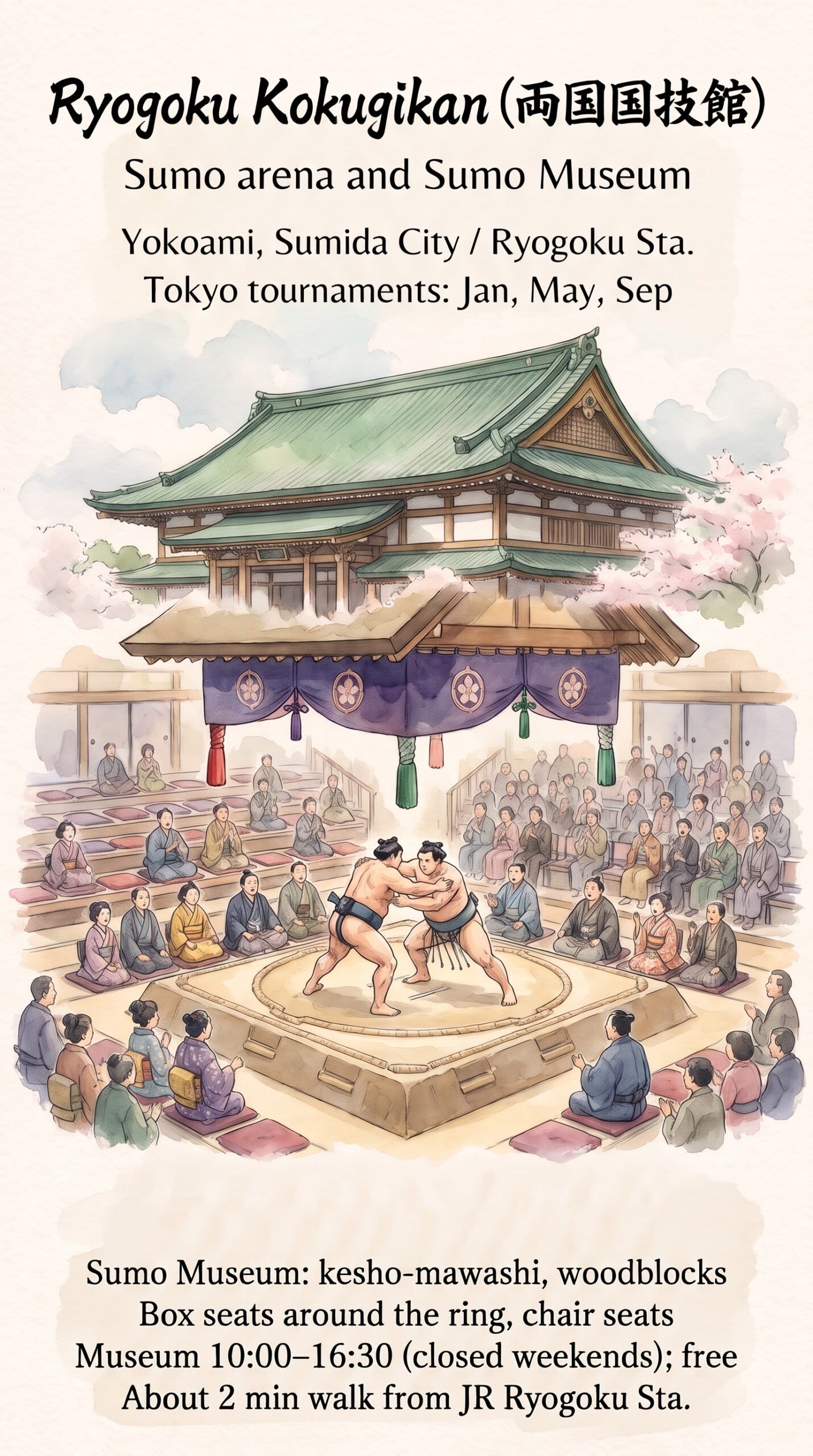
During a tournament the doors open in the morning and bouts run from the morning onward. Many spectators arrive around 14:00, and the excitement builds toward the top-division (makuuchi) bouts in the late afternoon. Seating is either box seats (masu-seki) around the ring or chair seats, including on the second floor. Visitors often say the power of the wrestlers seen live and the calls of the ushers and referees echoing through the hall stay with them.
Sumo Museum
The Sumo Museum on the first floor shows decorated aprons (kesho-mawashi), materials on yokozuna (grand champions), woodblock prints and ranking lists (banzuke) from the Edo period (17th–19th centuries) to today, changing its exhibition about three times a year. Admission is normally free; the museum does not give access to the arena.
Access and Opening Hours
The Kokugikan is about a 2-minute walk from the West Exit of JR Ryogoku Station on the Sobu Line and about 5 minutes from Ryogoku Station on the Toei Oedo Line. There is no parking, so come by public transport.
To watch a tournament you need a ticket, and everyone aged 4 and over needs one. Popular days can sell out, so once your dates are set, check ticket sales on the Japan Sumo Association’s official website and book early. See the Basic Information table for the Sumo Museum’s hours and closed days. It also opens during Tokyo tournaments but then requires a tournament ticket. It may also close temporarily for exhibition changes, so check the museum schedule before you go.
Best Time to Visit
To see sumo, plan your trip around the January, May or September Tokyo tournaments. On weekdays outside the tournaments you can visit the Sumo Museum for free. Even without a ticket, during a tournament you can take in the atmosphere outside, with the tall nobori banners lined up in front of the building.
Nearby Spots
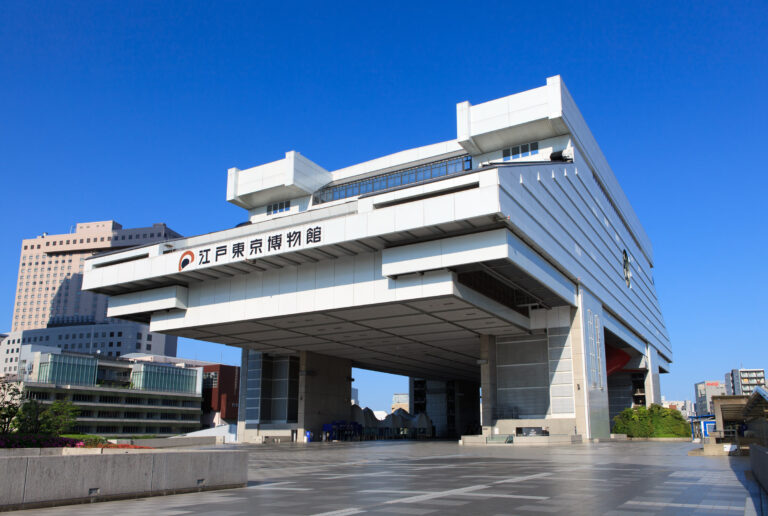
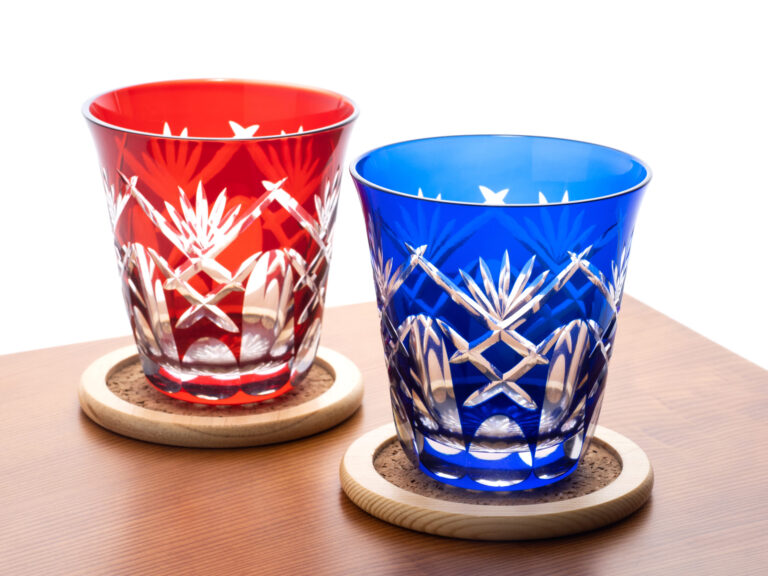
The Edo-Tokyo Museum (江戸東京博物館) is right next door, so the two are easy to combine around Ryogoku Station. Sumida Edo Kiriko Museum (すみだ江戸切子館) in Kinshicho is another stop for a day in Sumida City.
Summary
Ryogoku Kokugikan is where you can watch sumo up close during the January, May and September tournaments, and on other weekdays you can visit the free Sumo Museum. If you plan to watch a tournament, arrange tickets early.
Basic Information
| Item | Details |
|---|---|
| Name | Ryogoku Kokugikan (両国国技館) |
| Address | 1-3-28 Yokoami, Sumida City, Tokyo |
| Highlights | Grand sumo Tokyo tournaments (January, May, September), Sumo Museum |
| Things to do | Watching sumo (ticket required), Sumo Museum |
| Sumo Museum | 10:00–16:30 (last entry 16:00) / closed Sat, Sun, holidays (some exceptions) and New Year / during Tokyo tournaments daily 12:30–16:00 (tournament ticket required) |
| Admission | Sumo Museum free (tournament ticket needed during Tokyo tournaments) / sumo tickets vary by seat |
| Reservations | Tickets required to watch sumo (ages 4 and over) |
| Access | About 2 min walk from JR Ryogoku Sta. West Exit / about 5 min from Toei Oedo Line Ryogoku Sta. |
| Parking | None |
| Phone | +81-3-3622-0366 (Sumo Museum) |
| Official website | https://www.sumo.or.jp/En/ |
Information checked on November 15, 2026 (opening hours, closures, admission fee and access) / Official source checked: Japan Sumo Association official website
Google Map
Nearby sights

next door (about 3 min walk)

1 stop on the JR Sobu Line (Kinshicho–Ryogoku)

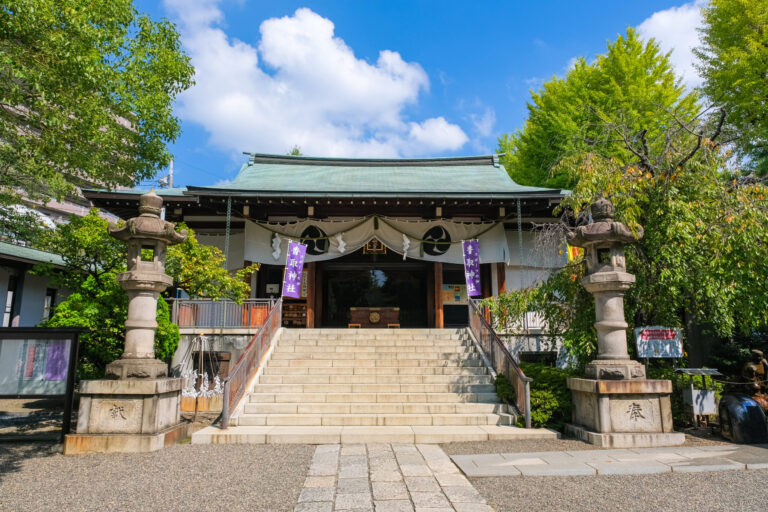
2 stops on the JR Sobu Line (Ryogoku to Kameido) + about 10 min walk

Head on from Tokyo to Kamakura
From Ryogoku, take the JR Sobu Line to Kinshicho and change to the Sobu Rapid Line, which runs through onto the Yokosuka Line, to reach Kamakura in about 1 hour 20 minutes. Temples, shrines and the sea: discover the old capital in our Kamakura Travel Guide.