
Tsukiji Outer Market (築地場外市場)
Tsukiji market lanes shared by pros and everyday shoppers
Quick facts
| Hours | Vary by shop. Sightseeing around 9:00–14:00 (professional buyers have priority until 9:00) |
|---|---|
| Last entry | None (more shops close from around 14:00) |
| Fees | Free entry |
| Closed | Varies by shop. Many close on Wednesdays, Sundays and holidays (check the official calendar) |
| Reservations | Not needed |
| Best time to visit | Early, soon after 9:00 (busiest from about 9:00 to 13:00) |
| Time needed (approx.) | 1–2 hours |
| Access notes | 1 min walk from Tsukijishijo Sta. Exit A1 (Toei Oedo Line) and Tsukiji Sta. Exits 1/2 (Tokyo Metro Hibiya Line). 5 min walk from Higashi-Ginza Sta. Exits 5/6 |
| Checked / official info | Checked on Nov 19, 2026 Official website |
What Is Tsukiji Outer Market (築地場外市場)? | History and Origins
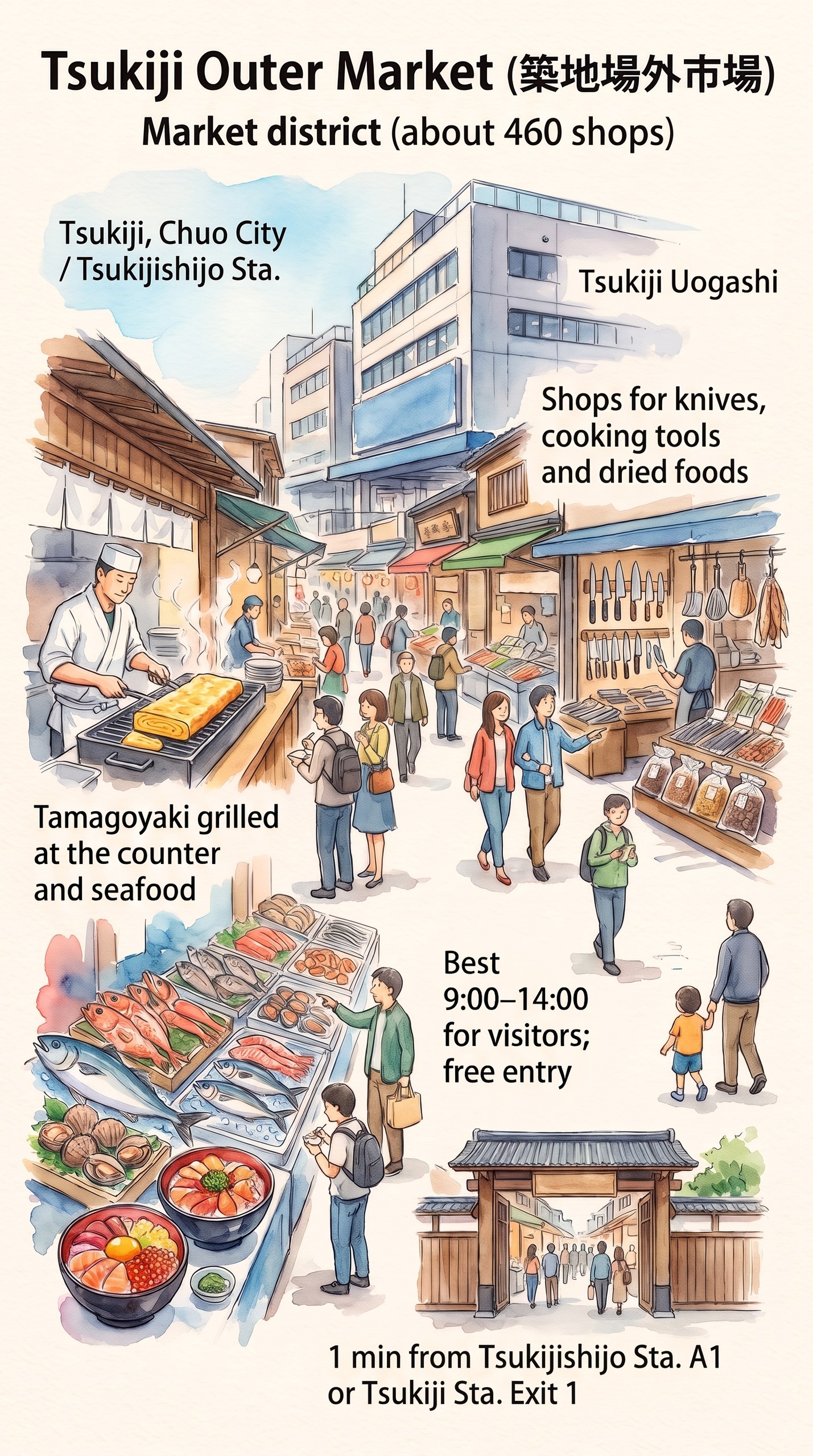
Tsukiji Outer Market (築地場外市場) in Tsukiji, Tokyo, is a market district that serves both food professionals buying stock and ordinary shoppers, with about 460 shops packed along narrow lanes. Besides fresh fish, there are specialist shops for fruit and vegetables, meat and dried foods, as well as kitchen knives, cooking tools and tableware, and you can eat seafood rice bowls, sushi, tamagoyaki (Japanese rolled omelet) and more inside the shops or at their counters.
The district grew up naturally as shops serving buyers gathered around the Tsukiji Market (築地本場) of the Tokyo Metropolitan Central Wholesale Market (東京都中央卸売市場), a public market wholesaling fish and produce, which opened next door in 1935. The area itself was originally land reclaimed from the sea after a great fire in Edo (the old name of Tokyo) in the mid-17th century. Nearby Namiyoke Inari Shrine (波除稲荷神社) has a legend that when a sacred object that had floated in on the waves during the reclamation work was enshrined, the rough waves calmed down.
The Central Wholesale Market moved to Toyosu (豊洲) in 2018, but the outer market did not move and stayed in Tsukiji. Early in the morning, priority still goes to professional buyers.
Highlights
Tamagoyaki Grilled at the Counter and Seafood
At shop counters you can watch craftsmen cook sweet tamagoyaki on skewers and buy it on the spot, and the smell of grilled seafood drifts through the lanes. Some shops have lines, so many people eat a little at several shops rather than filling up at one.
Specialist Shops for Knives, Cooking Tools and Dried Foods
Beyond eating, you can shop at the specialist stores that chefs use for kitchen knives, cooking tools, tableware, dried foods and more.
Kamakura’s Farmers’ Vegetable Market
Tsukiji Outer Market gathers specialists in seafood, ingredients and cooking tools. In Kamakura (鎌倉), at the Kamakura Agricultural Co-op Market “Rembai” (鎌倉市農協連即売所), you can buy Kamakura vegetables directly from the farmers who grew them.
Tsukiji Uogashi
Tsukiji Uogashi (築地魚河岸), a facility inside the market, has its shopping area on the 1st floor. Here too, professional buyers have priority early in the morning, and general visitors are asked to come after those hours. When it is too crowded to eat at the shop counters, you can sit and eat in the 3rd-floor food court. It also has coin lockers and a multipurpose restroom.
Rules for Walking the Market
Do not eat while walking: eat what you buy inside or in front of the shop where you bought it, or in a designated area, and return your trash to that shop. Ask the staff before photographing a shop or its goods, and do not touch the goods unnecessarily. There is no custom of bargaining. The lanes are narrow and the shops small, so walk in small groups rather than large ones, and leave suitcases and other large luggage in coin lockers instead of bringing them in.
Access and Opening Hours
The market is about a 1-minute walk from Exit A1 of Tsukijishijo Station on the Toei Oedo Line and Exits 1 and 2 of Tsukiji Station on the Tokyo Metro Hibiya Line. It is also about 5 minutes on foot from Exits 5 and 6 of Higashi-Ginza Station on the Tokyo Metro Hibiya Line and Toei Asakusa Line.
Entry is free and needs no reservation. The hours recommended for sightseeing are in Quick facts, and more shops start closing in the early afternoon. Allow about 1 to 2 hours to eat at a few places and do some shopping.
Many shops take cash only, so bring cash. The Plat Tsukiji (ぷらっと築地) information center has a Seven Bank ATM and a foreign currency exchange machine, and there is a convenience store in the market that is open around the clock. At Plat Tsukiji you can pick up maps and leave strollers; it opens later on Sundays, holidays and market closing days. You can get around by wheelchair or stroller, but watch out for bicycles and motorbikes in crowded lanes.
Best Time to Visit
The market is busiest with visitors from morning to early afternoon, peaking in late morning, when the lanes are packed with people, including international travelers, even on weekdays. On Wednesdays, Sundays and holidays, many shops close in line with the Central Wholesale Market’s closing days, though on Sundays and holidays about a third of the shops open, mainly restaurants. Most shops close for the first few days of the New Year, and the end of the year is crowded with people shopping for New Year food. Check closing days on the calendar on the market’s official website. On rainy days, umbrellas take up one hand and the narrow lanes become harder to walk.
Nearby Spots
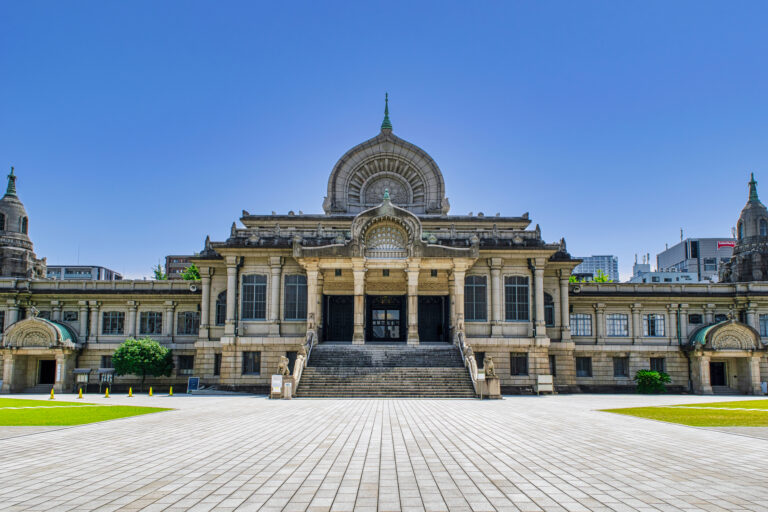
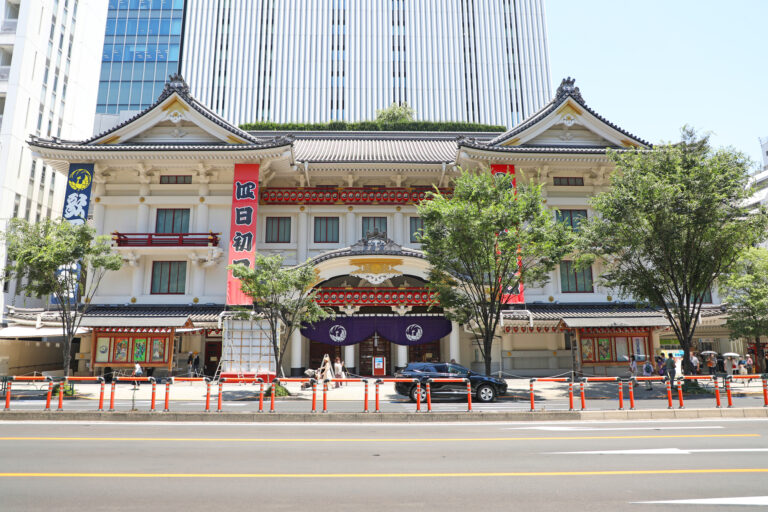
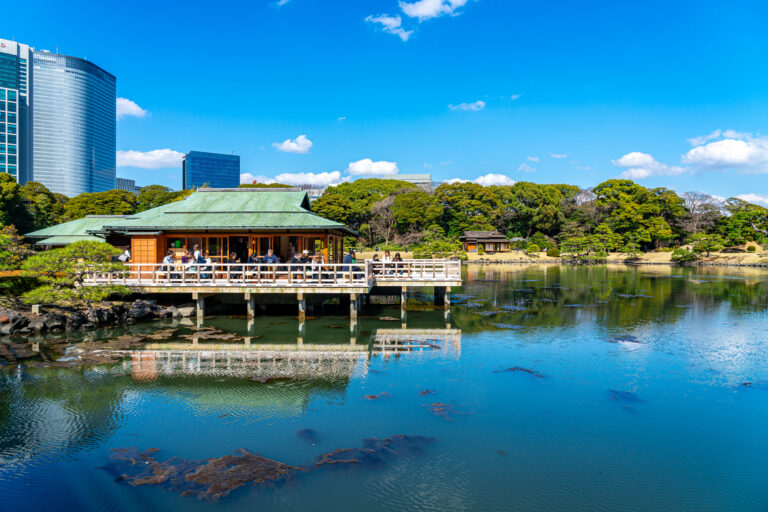
Tsukiji Hongwanji Temple (築地本願寺), a Buddhist temple, is right next door, so you can visit the temple in the morning and then walk the market. The market also combines with the Kabukiza Theatre (歌舞伎座), a theater for kabuki (Japan’s traditional stage drama), whose nearest station is Higashi-Ginza. Tsukijishijo Station on the Toei Oedo Line is also one of the nearest stations to the Otemon Gate entrance of Hama-rikyu Gardens (浜離宮恩賜庭園), a former feudal lord’s garden, so you can head to the gardens after the market.
Summary
Tsukiji Outer Market is the market district that stayed in Tsukiji after the Central Wholesale Market moved to Toyosu, where you can eat tamagoyaki and seafood at the counters and shop for knives and dried foods. Come after the professional buyers’ hours, and bring cash.
Basic Information
| Item | Details |
|---|---|
| Name | Tsukiji Outer Market (築地場外市場) |
| Address | Tsukiji, Chuo City, Tokyo |
| Highlights | Lanes lined with about 460 specialist food shops / tamagoyaki cooked by craftsmen / specialist shops for knives, cooking tools and dried foods / Tsukiji Uogashi |
| Things to do | Seafood bowls, sushi and tamagoyaki at the shop counters / shopping for knives, cooking tools and dried foods / sit and eat in the Tsukiji Uogashi 3F food court |
| Hours | 6:00–9:00 mainly trade buying (professionals have priority) / 9:00–14:00 regular sales hours (sightseeing in these hours) / from 14:00 each shop decides. Varies by shop |
| Closed | Varies by shop. Many close on Wednesdays, Sundays and holidays (Central Wholesale Market closing days); on Sundays and holidays about 1/3 of shops open, mainly restaurants. Most shops closed over the New Year until January 4 |
| Admission | Free entry (food and shopping at each shop) |
| Access | Toei Oedo Line Tsukijishijo Sta. Exit A1 / Tokyo Metro Hibiya Line Tsukiji Sta. Exits 1/2, 1 min walk / Tokyo Metro Hibiya Line and Toei Asakusa Line Higashi-Ginza Sta. Exits 5/6, 5 min walk |
| Restrooms | Multipurpose restroom at Tsukiji Uogashi |
| Official website | https://www.tsukiji.or.jp/english/ |
Information checked on November 26, 2026 (business hours and that many shops close on market holidays) / Official source checked: Tsukiji Outer Market (Tsukiji Food Town Development Council / Tsukiji Outer Market Shopping Street Promotion Association) official website
Google Map
Nearby sights

Right next door
About 5 min walk
About 10 min walk to Otemon Gate

Head on from Tokyo to Kamakura
From Tsukijishijo Station, the Toei Oedo Line and the JR Yokosuka Line reach Kamakura in about 1 hour 10 minutes. Get off the Oedo Line at Shiodome, walk to JR Shimbashi Station and change to the Yokosuka Line. Temples, shrines and the sea: discover the old capital in our Kamakura Travel Guide.