Plum Blossoms at Gokurakuji Temple (極楽寺)
The Beauty of Plum Blossoms at Gokurakuji
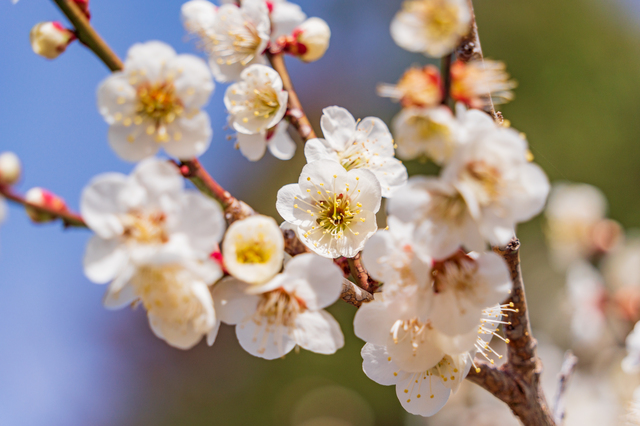
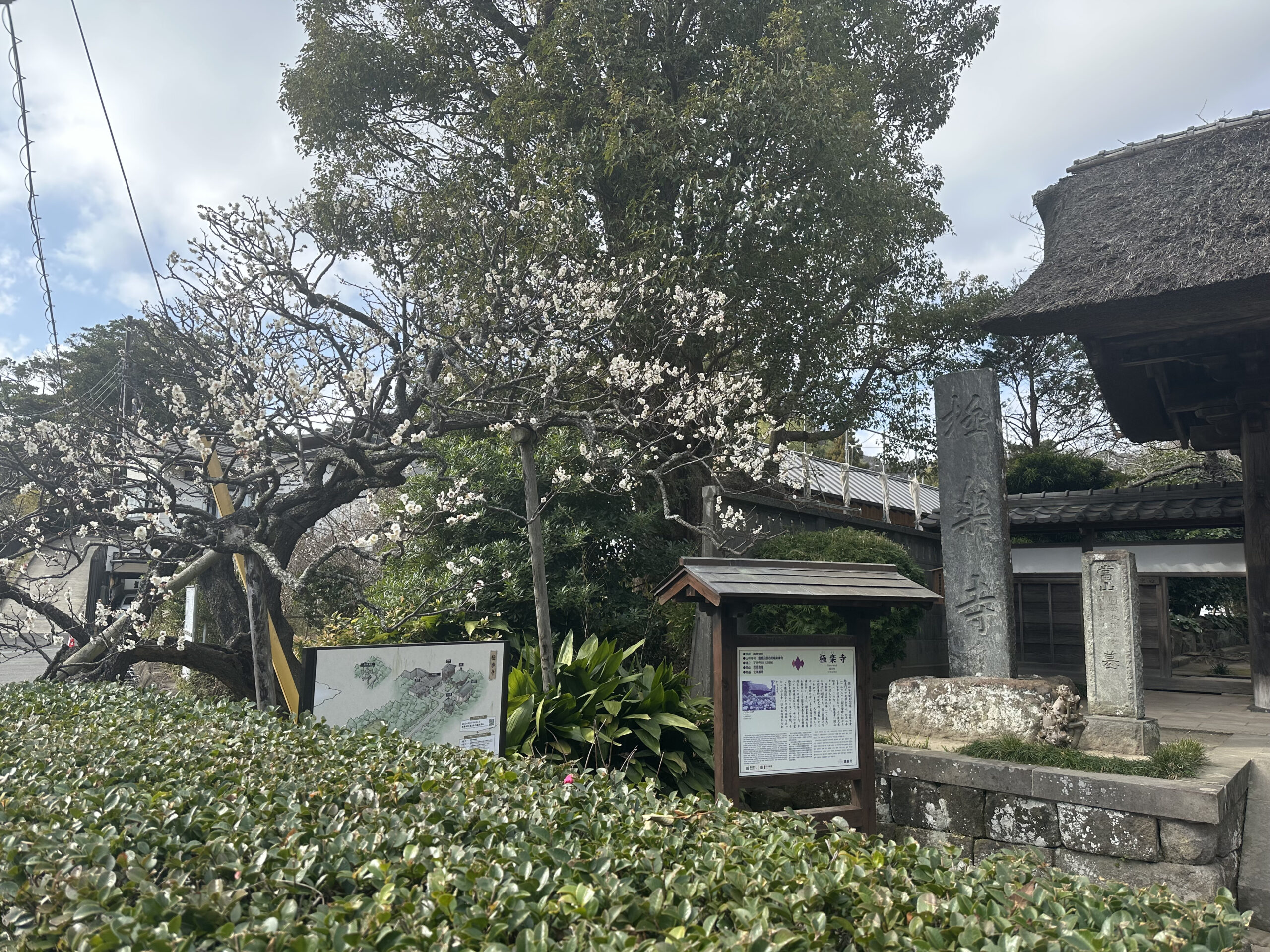
Gokurakuji Temple, nestled in the serene landscape of Kamakura, is home to around ten plum trees that quietly herald the arrival of spring. The plum trees in front of the temple gate bloom from mid to late February, while those in front of the main hall reach their peak from late February to mid-March. The harmony of thatched roofs and blooming plum trees creates a peaceful and deeply moving sight.
History and Background
Gokurakuji (極楽寺) was founded in the mid-13th century, and as its name suggests, it is a place of serenity and tranquility. Plum trees are modestly planted around the temple gate and main hall, providing visitors with a different seasonal charm throughout the year.
Best Season to Visit and Highlights
- Mid to Late February: The plums in front of the temple gate bloom, creating a stunning contrast against the thatched roof.
- Late February to Mid-March: The plums in front of the main hall reach full bloom, allowing visitors to immerse themselves in the beauty of the blossoms.
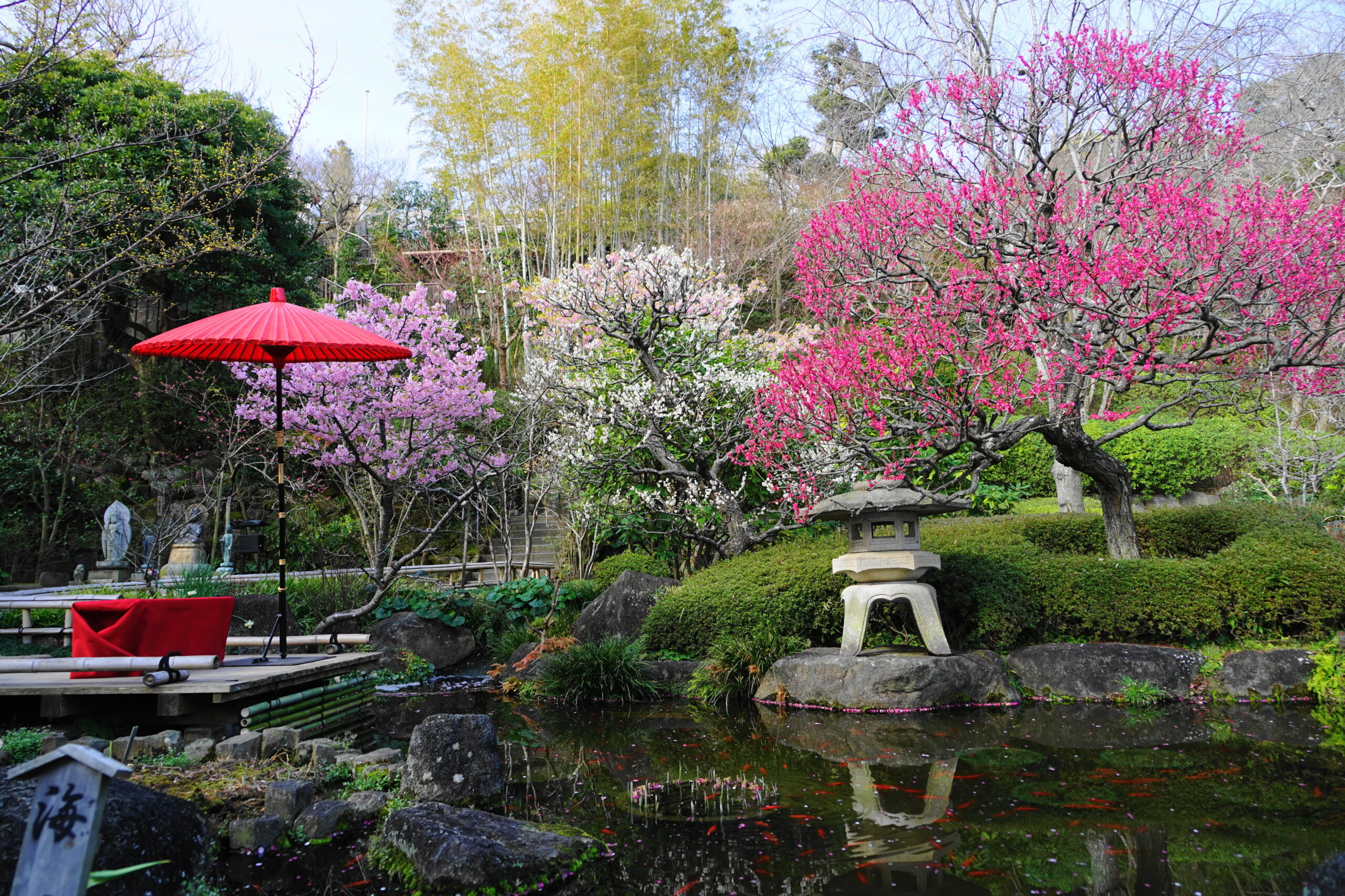
- Coexistence of Plums and Cherry Blossoms: The temple grounds feature the rare “Yaebeni-Hitohira-zaki Sakura” cherry tree, said to have been planted by Hojo Tokimune. In spring, visitors may have the chance to enjoy both plum and cherry blossoms together.
The Unique Charm of Gokurakuji
Gokurakuji Temple features both white and red plums, each displaying its own distinct beauty. During the plum season, the combination of the thatched roof, blooming plums, and clear blue skies creates a uniquely serene Kamakura atmosphere.
Another charm of Gokurakuji is its quiet, less crowded ambiance, making it an ideal place for enjoying the plum blossoms in peace. While the number of plum trees is not large, each blossom stands out beautifully, allowing visitors to appreciate the delicate and quiet beauty of the flowers while feeling the breath of spring.
Conclusion
When visiting Kamakura, take a moment to enjoy the plum blossoms at Gokurakuji Temple. The gentle arrival of spring, experienced in this tranquil setting, will provide a soothing and memorable experience.
Toshi’s Evaluation (2026)
| Evaluation Category | Score | Reason |
|---|---|---|
| Scenery | 9 | The thatched roof of the temple gate and the red and white plum blossoms create a serene, “quintessentially Kamakura (鎌倉)” temple scene, earning high praise. However, with only about 10 plum trees, it does not qualify as a plum grove-style spot, so a perfect score was withheld. |
| Accessibility | 9 | Located just 2–3 minutes on foot from Gokurakuji Station (極楽寺駅) on the Enoden Line, and reachable directly from Kamakura Station (鎌倉駅) by train, it offers excellent convenience. However, it isn’t directly connected to JR lines, hence one point off. |
| Historical Value | 8 | Founded in the mid-Kamakura period as a Shingon-Ritsu sect temple, it retains a strong historical atmosphere. While it holds cultural value as an old temple, its nationwide recognition is lower than Kamakura’s more iconic sites. |
| Comfort | 8 | Compared to many tourist-heavy sites in Kamakura (鎌倉), this temple remains relatively calm even during plum season. However, the facilities are minimal and basic. |
| Reviews | 7 | Many reviewers highlight the quietness and pleasant ambiance, but some note its small scale makes it less memorable. Overall reviews are good but not exceptional. |
Total Score: 41
Overall Evaluation:
The plum blossoms at Gokurakuji Temple (極楽寺) are not for those seeking spectacle or scale, but rather for travelers who want to quietly enjoy seasonal flowers at a historic temple along the Enoden Line. Though the number of plum trees is modest, its proximity to the station and the tranquil setting offer high experiential value, making it an appealing destination for Kamakura (鎌倉) return visitors or inbound travelers who prioritize atmosphere.