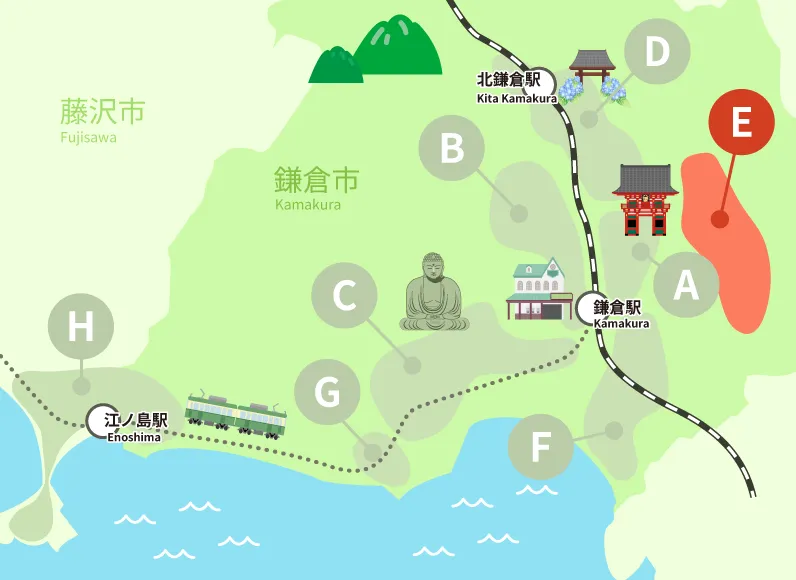
AREA
E
AREA
E
Kanazawa Kaido Area
A journey to Kanazawa Highway, where nature and the spirit of harmony live and breathe, and to the tranquility of bamboo temples and historical temples to heal the soul.
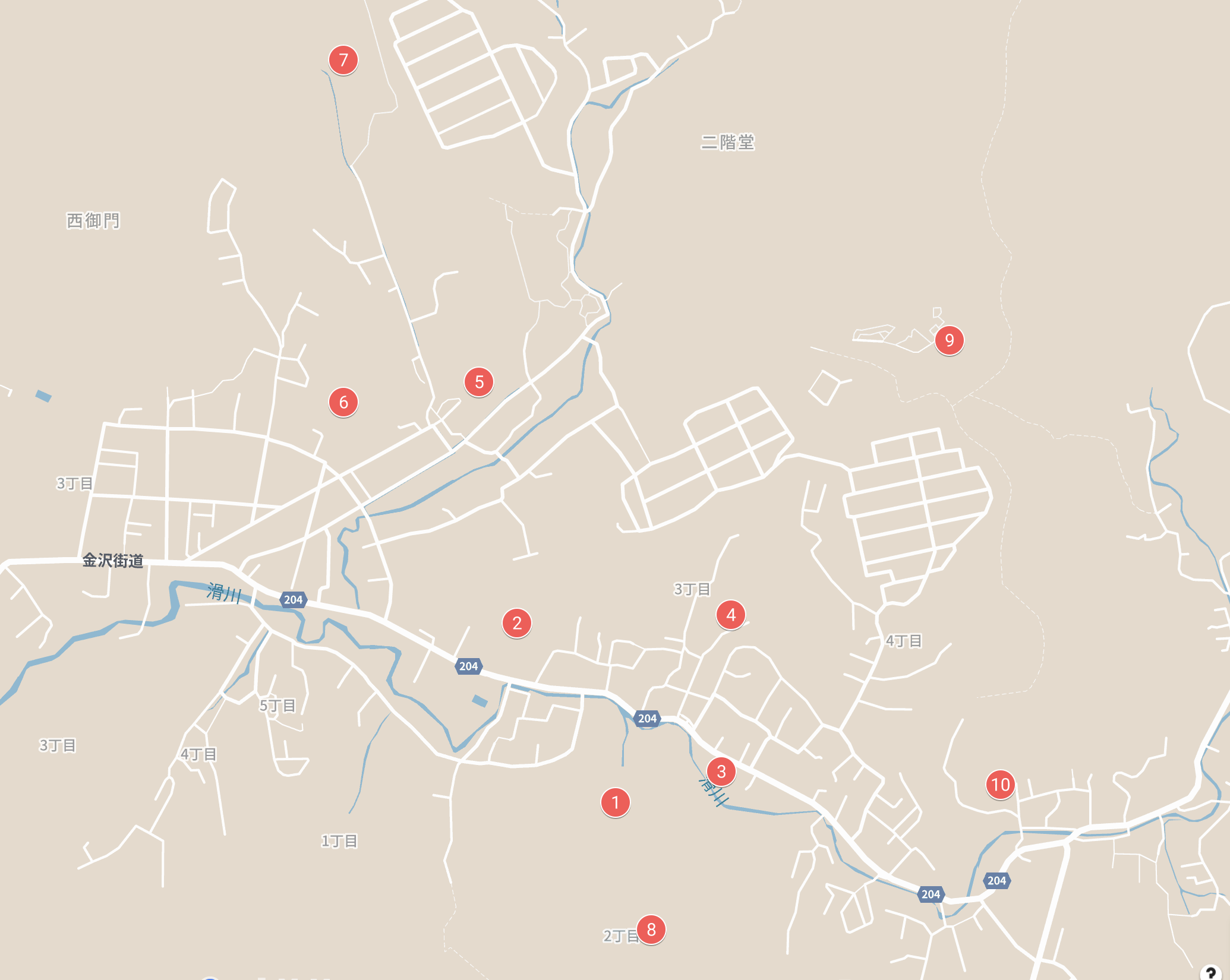
Toshi’s Kamakura sightseeing map
Features
The Kanazawa Kaido is a charming walking path connecting Kamakura and Kanazawa Ward in Yokohama, where nature and history come alive. This historic road is known for its beautiful scenery and the historic tourist spots dotted along its route, offering pedestrians and cyclists a wonderful opportunity to enjoy Kamakura’s rich natural surroundings while experiencing the daily lives of local residents. Hokoku-ji Temple is famous for its enchanting bamboo grove and is affectionately known as the “Bamboo Temple.” Visitors can experience timeless tranquility and the spirit of harmony by enjoying matcha tea amidst the bamboo grove. Sugimoto-dera Temple is a special place for those seeking peace of mind, serving as the starting point for the Kanto Pilgrimage. At Ichijō Ekansan-sō, you can experience the beauty of Japanese aesthetics through its dry landscape garden and elegant interior design, and at the on-site café, you can enjoy a soothing moment where Kamakura’s nature and Japanese culture blend together. Jōmyō-ji and Kamakura-gū reflect Kamakura’s spiritual heritage and offer visitors a deeply historical experience. Egara Tenjin Shrine is revered as the god of learning and is particularly popular among students preparing for entrance exams. Kakuen-ji Temple is known as a place where the teachings of various Buddhist sects converge in prayer for healing from illness and suffering. The Former Kachō Palace is a valuable asset that conveys the beauty of early Shōwa-period Western-style architecture to the present day, serving as a unique addition to Kamakura’s diverse cultural heritage with its Western charm. The Kanazawa Kaidō and its surrounding attractions have become essential destinations for visitors to Kamakura who wish to deeply appreciate the area’s natural beauty and historical context.
Sightseeing Spot
Hokokuji Temple
(報国寺)
A place where silence and history speak in the bamboo forest
Hokokuji Temple, affectionately known as “Bamboo Temple,” is a historic temple in Kamakura known for its fantastic scenery created by 2,000 Moso bamboo trees. Built in the early 14th century, it symbolizes the fall of the Kamakura shogunate and the beginning of the Muromachi shogunate, and visitors can experience the timeless tranquility and Japanese spirit while enjoying matcha tea in the bamboo forest.
Sugimoto-dera Temple
(杉本寺)
A journey of faith that transcends time
A world of silence beckoned by moss-covered stone steps
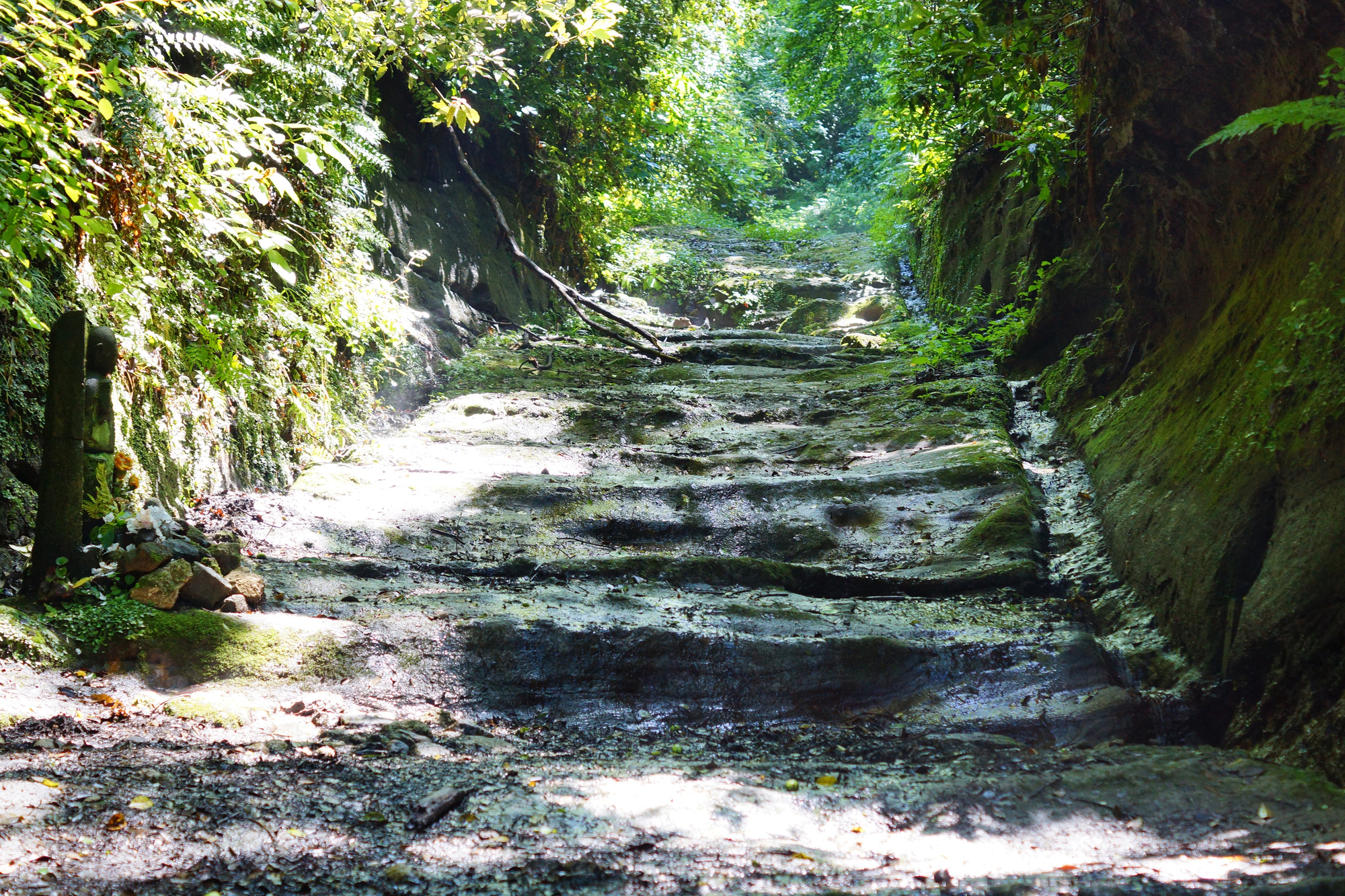
Sugimoto-dera Temple, a historic temple built in the 8th century surrounded by the majestic nature of Kamakura, was built by Empress Komyo’s dream. As a starting point for a tour of Kanto sacred sites, the moss-covered stone steps and white flags nestled among the greenery offer visitors peace of mind. In particular, the statue of the eleven-faced Kannon Bodhisattva is an important cultural property of the country, giving visitors a deeply moving and spiritual experience.
Ichijo Ekan Sanso Villa
(一条恵観山荘)
An ancient hideout where the spirit of Japan is alive
A mountain hut where you can enjoy a peaceful time
Ichijo Ekan Sansou (Ichijo Ekan Sansou) This mountain villa, which was moved to Kamakura in 1959 (Showa 34), is part of the Ichijo family’s historic villa that was used for tea ceremonies during the Edo period. It has been designated as an important cultural property, and its dry landscape garden and elegant interior convey the beauty of Japan to visitors. In particular, its design allows you to feel the nature that Ekan loved through the windows, and the Sugito paintings are reminiscent of court culture. The cafe experience at Cafe Yobaitei also offers a relaxing moment that combines Kamakura’s nature and Japanese culture.
Jomyoji Temple
(浄妙寺)
A quiet garden that transcends time and space
Jomyoji Temple, which strongly reflects Kamakura’s spiritual heritage, was founded by Yoshikane Ashikaga, a senior vassal of Minamoto no Yoritomo. The charm of this temple lies in its stone and sand dry landscape garden and the tea experience at Kisen-an, which conveys to visitors the essence of traditional Japanese culture. Furthermore, at the stone oven garden terrace, you can enjoy Western cuisine against the backdrop of the nature of the ancient capital, making it an attractive point where the cultures of East and West intersect.
Kamakura-gu Shrine
(鎌倉宮)
A light that illuminates history
A shrine dedicated to the hero Imperial Prince Moriyoshi
Kamakura Palace was built by Emperor Meiji out of respect for Prince Morinaga, who rebelled against Takauji Ashikaga but died at the age of 28. The treasure hall, the dungeon of Imperial Prince Mori, and the wooden statue of “Nasae Sugawari”, which is said to ward off evil spirits, remain on the premises, and the rituals to ward off evil spirits at the Sakazukisha and autumn Kamakura Takigi Noh performances provide visitors with a rich historical experience. .
Egara Tenjin Shrine
(荏柄天神社)
A timeless place of prayer
Sacred place for test takers
Egara Tenjin Shrine is an old shrine in Kamakura built in the Heian period that enshrines Michizane Sugawara, who is known as the god of learning and is widely worshiped, especially by students taking entrance exams. This shrine, which was revered by Minamoto no Yoritomo as the guardian deity of the demon gate, attracts many visitors for events such as brush memorial services. Welcoming visitors to the area, Ebudezuka, decorated with the brushwork of the late famous kappa manga artist Shimizu Kon and reliefs of kappa created by 154 manga artists, creates a space that fuses culture and nature.
Kakuonji Temple
(覚園寺)
A sacred place where four sects meet
Kakuonji Temple, which inherits the history of Kamakura
Kakuonji Temple, founded by the second regent, Yoshitoki Hojo, is a fusion of the teachings of various Buddhist sects centered on Yakushi Nyorai, who prays for healing from illness and suffering. This is the place to do it. The principal image and statues of guardian deities, which have been designated as important cultural properties, convey the art of the Kamakura period, and you can enjoy a panoramic view of Kamakura from the grounds. The “Kurojizo” festival is held every August, and is a valuable opportunity to convey the spirituality of the good old days to the present day.
Former Residence of Kachonomiya (旧華頂宮邸)
A Western-style heritage that transcends time
A mansion that protects the tranquil beauty of Kamakura
The former Kyukachonomiya Residence, a masterpiece of Western-style architecture from the early Showa period (early 20th century), was designed as the residence of Marquis Hironobu Kacho in Kamakura. With its half-timbered exterior and roof made of copper plates, it is a valuable asset that conveys the beauty of Western-style architecture of the time to the present day. The garden is a French-style garden, and its beauty is displayed to visitors when the building is open to the public in spring and autumn. The former Kachonomiya residence is a special presence that adds a Western charm to Kamakura’s diverse cultural heritage.
Zuisenji Temple (瑞泉寺)
A Harmony of Zen and Nature
Zuisenji Temple is a Zen temple founded in the early 14th century by Musō Soseki. It is located in Momijigayatsu, Kamakura. The autumn foliage covering the surrounding mountains creates a breathtaking scene reminiscent of a brocade folding screen. The rock garden, designed by Master Musō himself, beautifully embodies the harmony between Zen philosophy and natural beauty. During the Edo period, Tokugawa Mitsukuni reconstructed the temple, making it a center of culture. In particular, the sight of plum blossoms in early spring continues to captivate visitors.
Myoo-in Temple (明王院)
Protective Powers Beneath a Thatched Roof: Timeless Esoteric Prayers
Myōō-in, founded in the early 13th century by Fujiwara no Yoritsune, the fourth shogun of the Kamakura Shogunate, is an ancient temple of profound religious significance, serving as a place of prayer to ward off evil spirits from the northeast. The main hall, which enshrines the Five Great Myō-ō statues with Fudō Myō-ō at its center, conveys the art and faith of the Kamakura period through its charming thatched-roof architecture. In particular, during the Goma fire ritual held on the 28th of every month, visitors can enjoy the rare opportunity to view the Five Great Myō-ō statues, which are normally kept hidden from the public. This temple, where the natural beauty of the four seasons harmonizes with a solemn space for prayer, is a tranquil sacred site where history, faith, and art come alive.
More Spots in This Area
Places to Eat & Shop in This Area
Eat
Kamakura Kokon | A Private Retreat Surrounded by History and Nature in the Ancient Capital of Kamakura
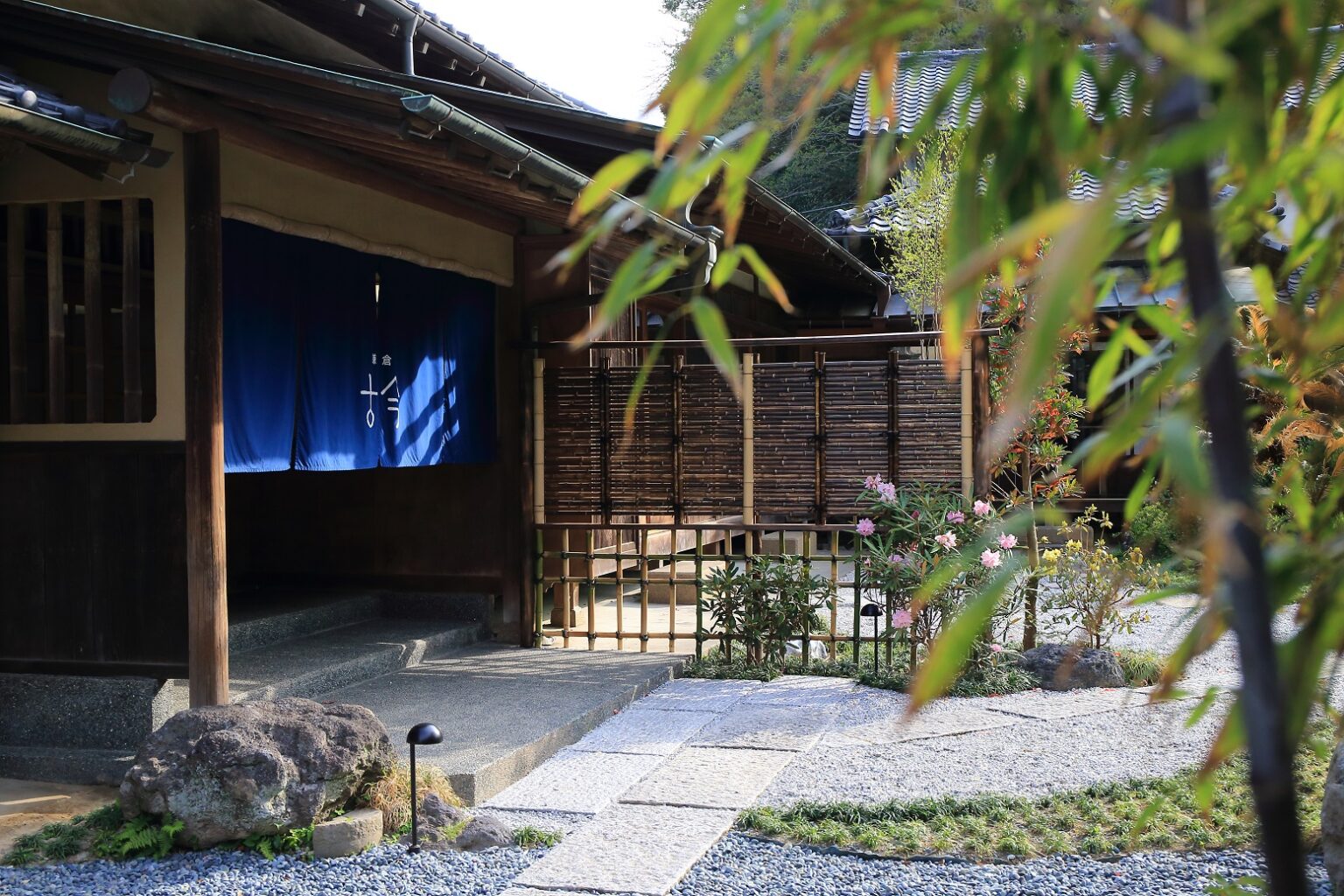
Located in the historic Nikaido area near Kamakura-gu Shrine (鎌倉宮), this exclusive inn welcomes only two groups per night in a beautifully restored traditional Japanese house over 160 years old. Guests can enjoy restful sleep, soothing baths, healthy meals, and personalized service from a dedicated concierge, all within the warm ambiance of natural wood.
View details
Junikusho Mikan | A Journey into Tranquility, Wrapped in Greenery and Seasonal Flavors
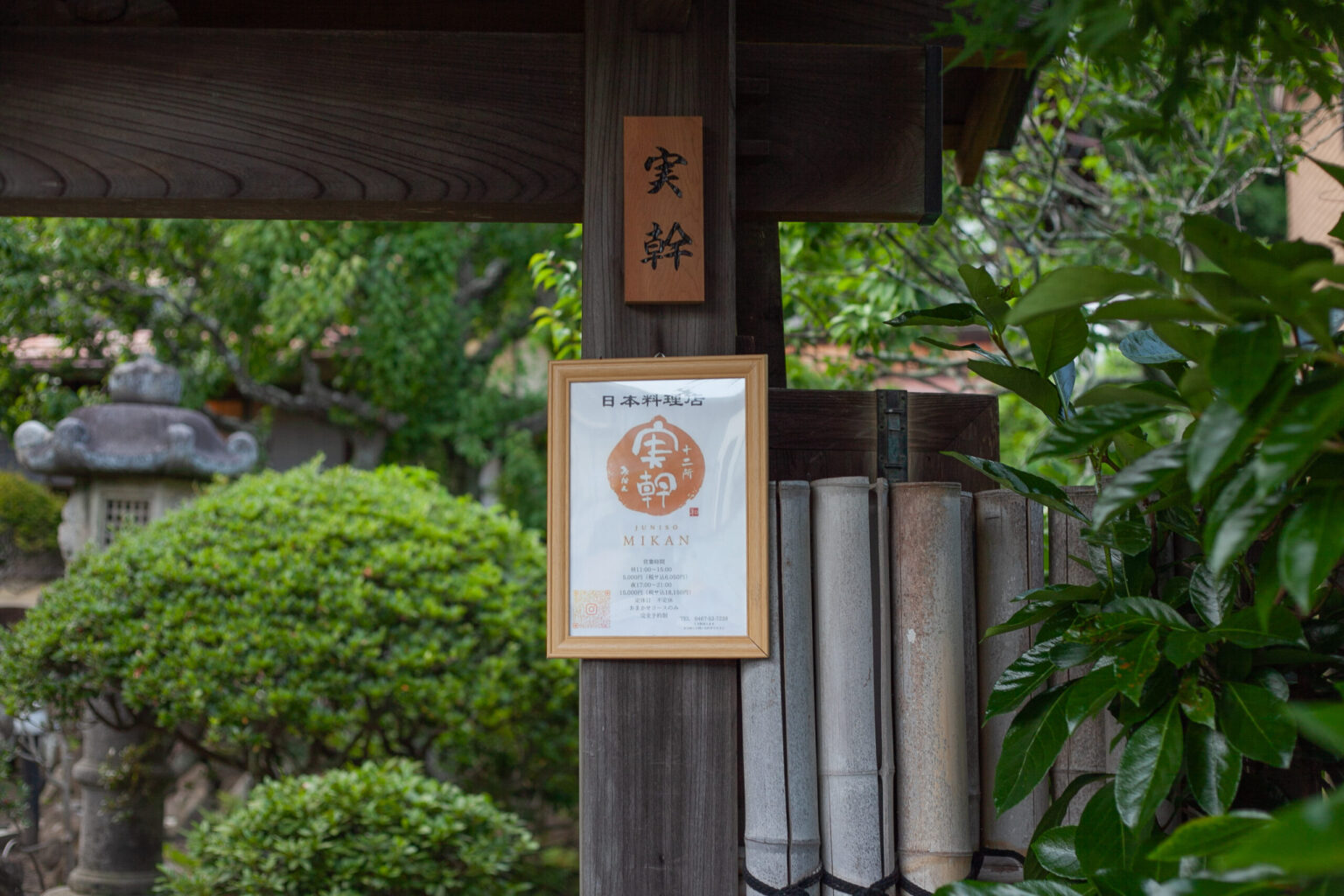
Just a 10-minute bus ride from Kamakura Station, Junikusho Mikan (十二所 実幹) sits quietly behind Myo-o-in Temple (明王院). This serene Japanese restaurant, housed in a renovated 100-year-old traditional home, offers refined course meals featuring Kyoto-style dashi, all enjoyed alongside a seasonal garden setting. Reservation only—perfect for a special Kamakura (鎌倉) experience.
View details