AREA
C
AREA
C
Hase/Yuigahama Area
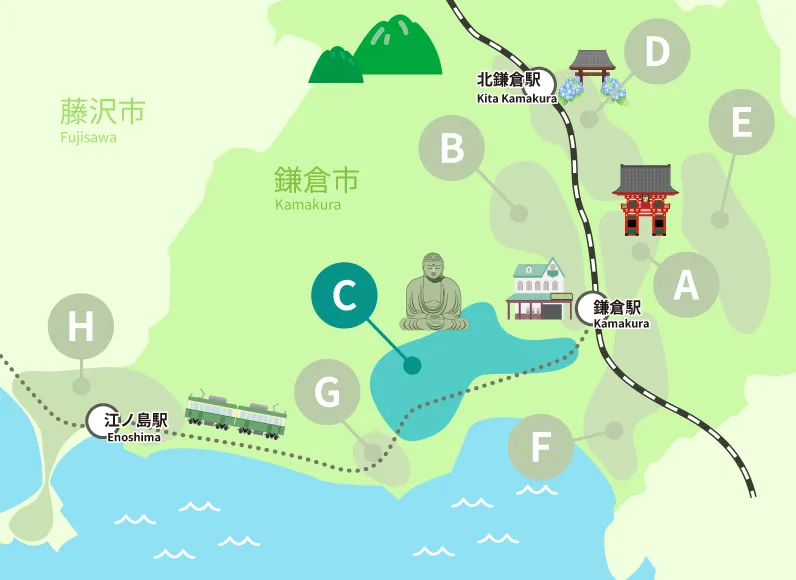
A blissful place embraced by the sea and greenery, where historic temples merge with modern streets, highlighting the charm of Kamakura.
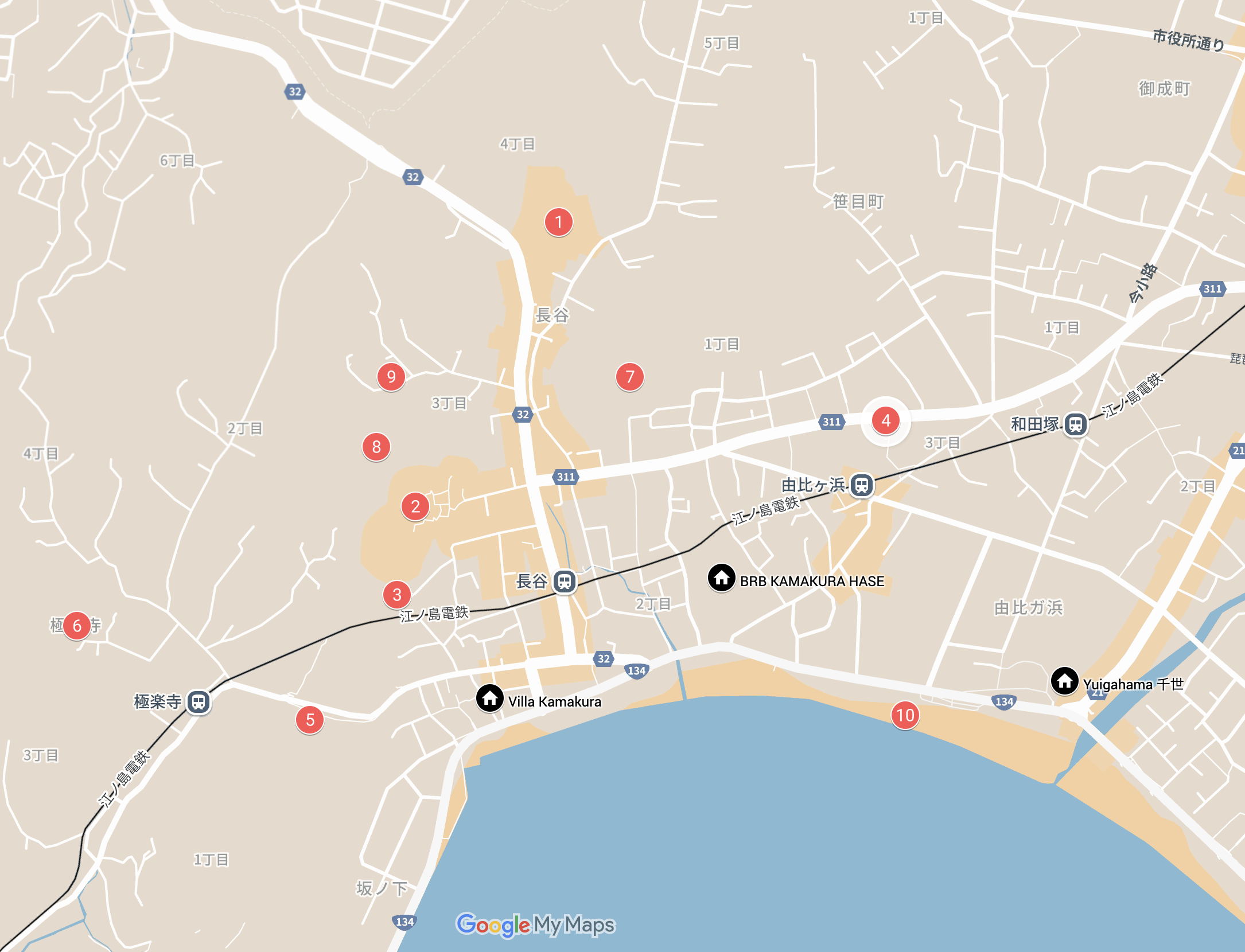
Toshi’s Kamakura sightseeing map
Features
The Hase and Yuigahama area is a special place that combines natural beauty with historical charm, surrounded by the sea and lush green hills. The Great Buddha of Kamakura at Kotoku-in Temple is widely known as a symbol of peace and tranquility, deeply moving all who visit. By exploring the interior of this Great Buddha, visitors can experience Kamakura’s rich history and the sophistication of ancient craftsmanship. Hase-dera Temple is famous for its massive wooden standing statue of the Bodhisattva Kannon and its seasonal flowers. The cherry blossoms in spring and the hydrangeas in early summer are particularly spectacular, offering visitors natural beauty and spiritual solace. Shrines and temples such as Goryo Shrine, Joju-in, and Gokuraku-ji each have their own unique history and traditions, providing peace and healing amidst beautiful natural scenery. Gokurakuji Temple, in particular, is affectionately known as the “Hydrangea Temple,” with approximately 13,000 hydrangea plants coloring early summer in Kamakura. Yui-ga-hama Avenue is a vibrant street where history and modernity blend, welcoming visitors with a variety of shops where you can enjoy strolling and shopping. Additionally, hidden gems such as Amanawa Shinmei Shrine and Kōsoku-ji Temple allow you to experience the depth of Kamakura’s history and the beauty of its nature. The Yuigahama coastline is a popular spot for walks and swimming, symbolizing the natural beauty of the Hase-Yuigahama area. The gentle sound of the waves and the expansive ocean views are sure to soothe your soul. Through its historic temples, abundant nature, and vibrant streetscape, the Hase-Yuigahama area is a special place that offers the richness of Kamakura’s spirituality and culture to all who visit.
tourist attractions
Great Buddha of Kamakura (高徳院・鎌倉大仏)
The Unchanging Smile: A Millennium Guardian Overlooking the Ancient City
The Great Buddha of Kamakura at Kotokuin Temple, cast in the 13th century, is a national treasure standing 11.31 meters tall and weighing 121 tons. A symbol of peace and resilience, it inspires visitors with its serene presence. Entering the statue offers a glimpse into ancient craftsmanship and Kamakura’s history.
Hasedera Temple (長谷寺)
A Pilgrimage to the Land of Flowers Beyond Time
Hasedera Temple is famous for its large wooden statue of Kannon Bodhisattva and stunning views of Kamakura.
Seasonal flowers like hydrangeas, cherry blossoms, and autumn leaves add to its charm, offering a peaceful retreat for visitors.
Goryo Shrine (御霊神社)
A Unique Shrine Where History and Nature Intersect
Goryo Shrine is a historic shrine in Kamakura dedicated to Kamakura Gongoro Kagemasa, a samurai from the Heian period.
It is revered as the “God of Eyes” and is known for its charming location near an Enoden railway crossing.

Yuigahama Main Street
(由比ヶ浜大通り)
Where History and Modernity Cross Paths
Yuigahama Main Street is a historic and modern fusion in Kamakura, stretching from Hasedera Temple to Wakamiya Oji Avenue.
Lined with diverse shops, including traditional Japanese confectionery stores and cafes, it has been a vital route since the Heian period.
This street offers visitors the joy of exploration and discovery.
Jojuin Temple (成就院)
Tracing the Footsteps of Kūkai: A Scenic Pilgrimage Site for Good Relationships
Jojuin Temple, a Shingon-sect temple known as a site of Kobo Daishi’s practices, is cherished for blessings in love and its stunning view of Yuigahama Beach.
The breathtaking scenery from the top of 108 stone steps makes it a special place where history and nature merge.
This iconic temple of Kamakura offers visitors peace of mind and prayers for good relationships.
Gokurakuji Temple (極楽寺)
A Place of Compassion Adorned with Hydrangeas
Gokurakuji Temple, a historic site in Kamakura, was founded with the aim of achieving the Pure Land.
Known as the “Hydrangea Temple,” it features approximately 13,000 hydrangea plants, creating a stunning and tranquil setting.
This temple embodies the spirit of compassion and salvation, offering visitors both spiritual comfort and the beauty of nature.
Amanawa Shinmei Shrine
(甘縄神明神社)
Walking Alongside the Genji: Kamakura’s Oldest Sacred Site
Amanawa Shinmei Shrine, the oldest in Kamakura, enshrines Amaterasu Omikami and has strong ties to the Minamoto clan.
Located on a scenic hill, it is known for child-blessing rituals and a well linked to Hojo Tokimune.
Its tranquil grounds are also featured in The Sound of the Mountain.
Kosokuji Temple (光則寺)
A Hidden Gem of Kamakura
Kosokuji Temple, founded in the 13th century by Nichiro Shonin, a disciple of Nichiren, is known as the site of the Rissho Ankoku Ron.
With seasonal flowers, Nichiro’s earthen prison, and a Kenji Miyazawa monument, it offers visitors a place for reflection and history.
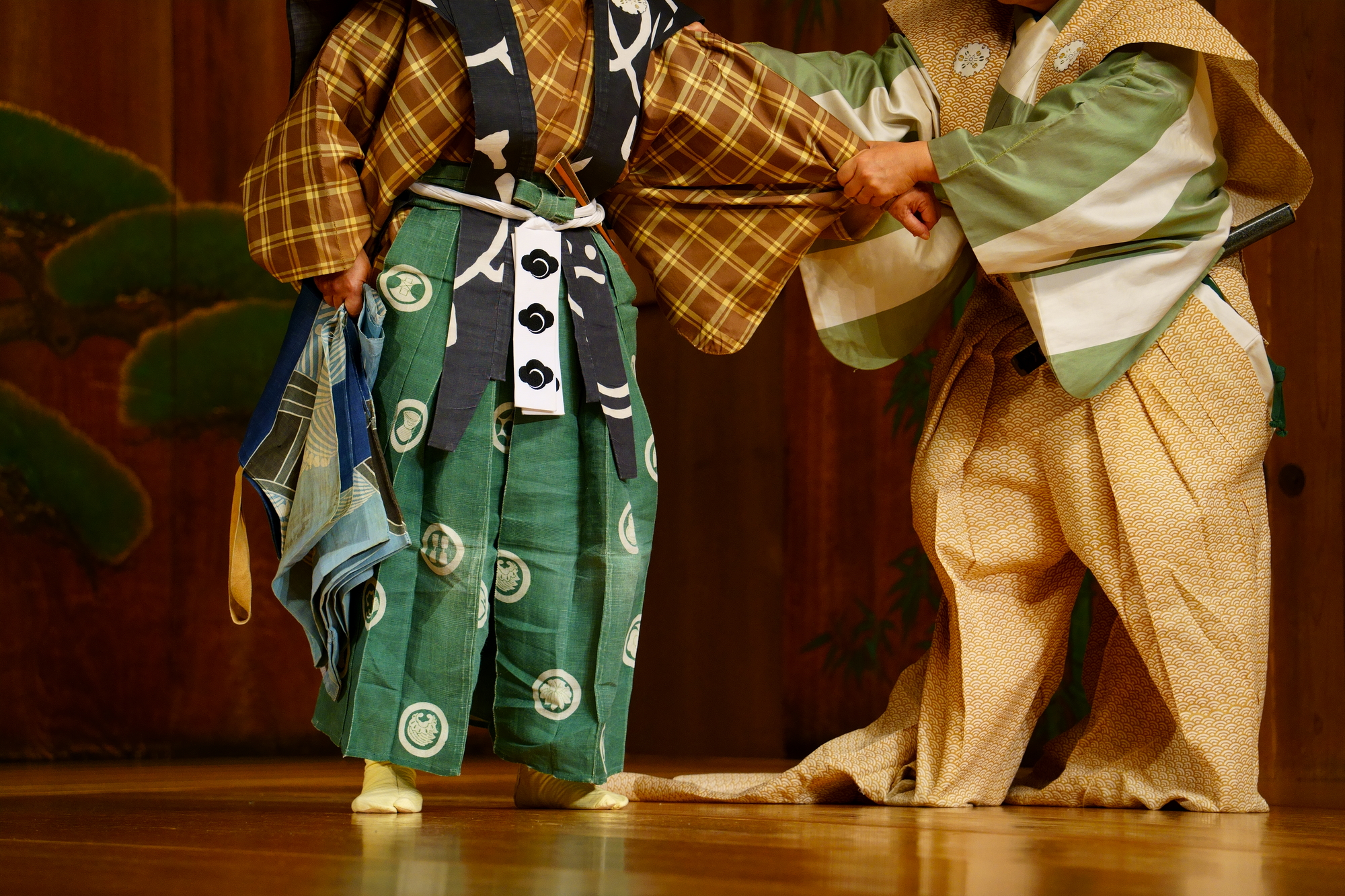
Kamakura Noh Stage
(鎌倉能舞台)
EA Moment of Tradition That Resonates in Silence and Stimulates the Senses
Nestled in a quiet valley of Kamakura, the Kamakura Noh Stage offers an immersive experience of Noh theater in an intimate setting. Built in the late Showa era, the unpainted cypress stage brings performances close to the audience, enhanced with subtitles for accessibility, even for first-timers. Seasonal plays allow visitors to enjoy the charm of each time of year. The adjacent Japanese-style café is known for its Noh mask lattes and offers free viewing of Noh masks and costumes, creating a relaxing space where culture and tranquility meet.
Yuigahama Beach (由比ヶ浜)
The Hidden Stories of Kamakura: Legends of the Sea and Tales of Nature
Yuigahama is more than just a beautiful beach—it is a captivating place where history and nature intertwine. From traces of life dating back to the Yayoi period to the Middle Ages, to the legends of pivotal historical figures, this area offers visitors both a deep historical background and the rich beauty of nature. Yuigahama is also known as the battlefield where the fall of the Kamakura shogunate was sealed, with many historical relics still buried underground, serving as living evidence that connects the past with the present. This coastline is a special place that represents Kamakura, where one can enjoy the serene ocean view while feeling the weight of history.
More Spots in This Area
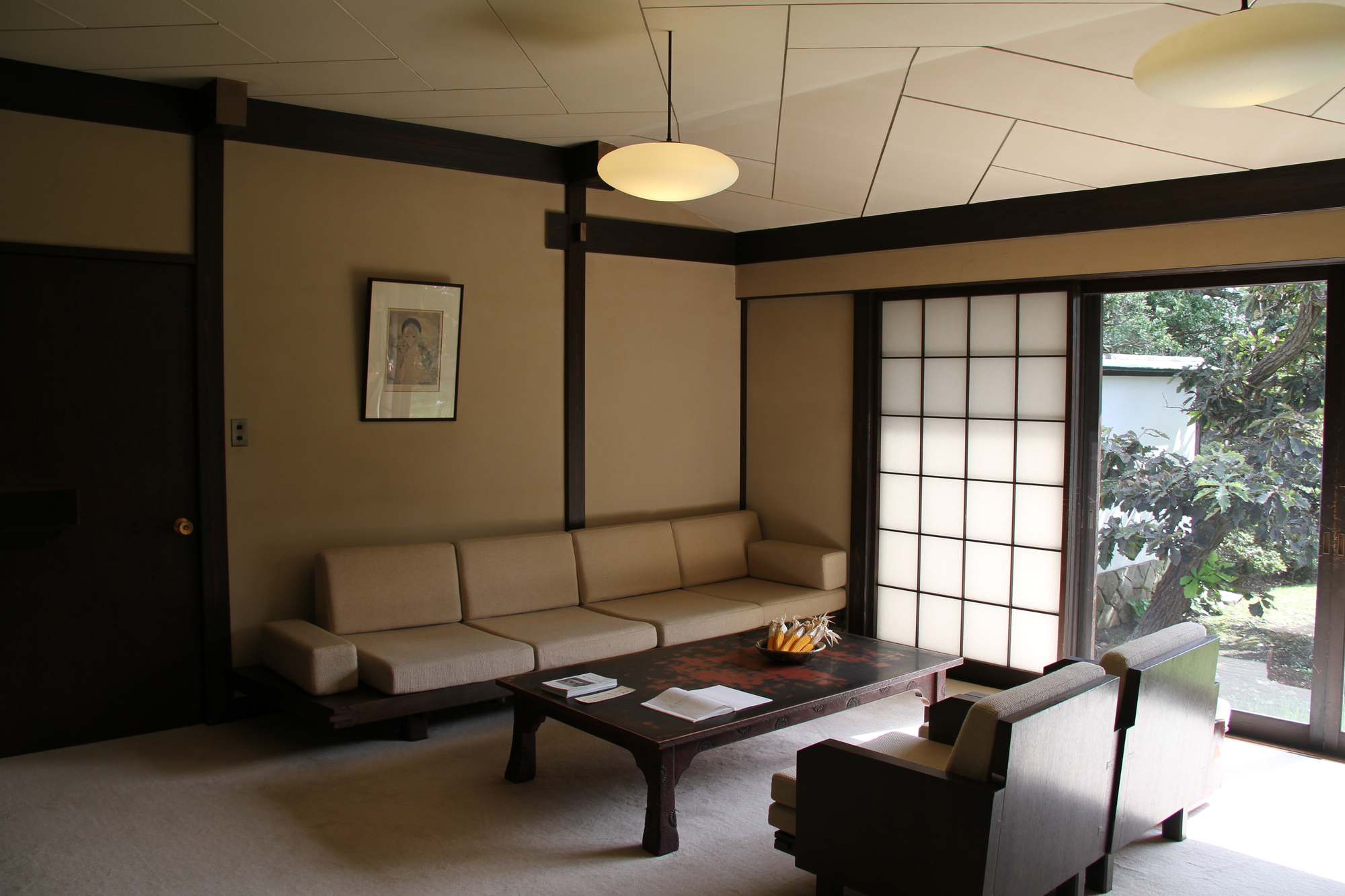
Places to Eat & Shop in This Area
Eat
Savor Kamakura’s Seasonal Flavors at Sare, an 11-Seat Italian Restaurant in Hase
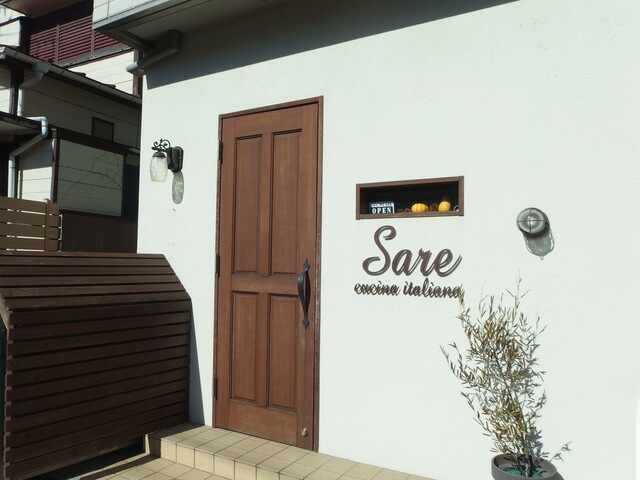
Sare, a hidden Italian restaurant in Kamakura, is run by Chef Arai, who trained in Italy. Located near Villa Kamakura, it offers seasonal course meals that showcase fresh local ingredients from Kamakura and reflect the changing seasons.
Kappo Cuisine, Cocktails, and Handmade Soba at Nami to Kaze
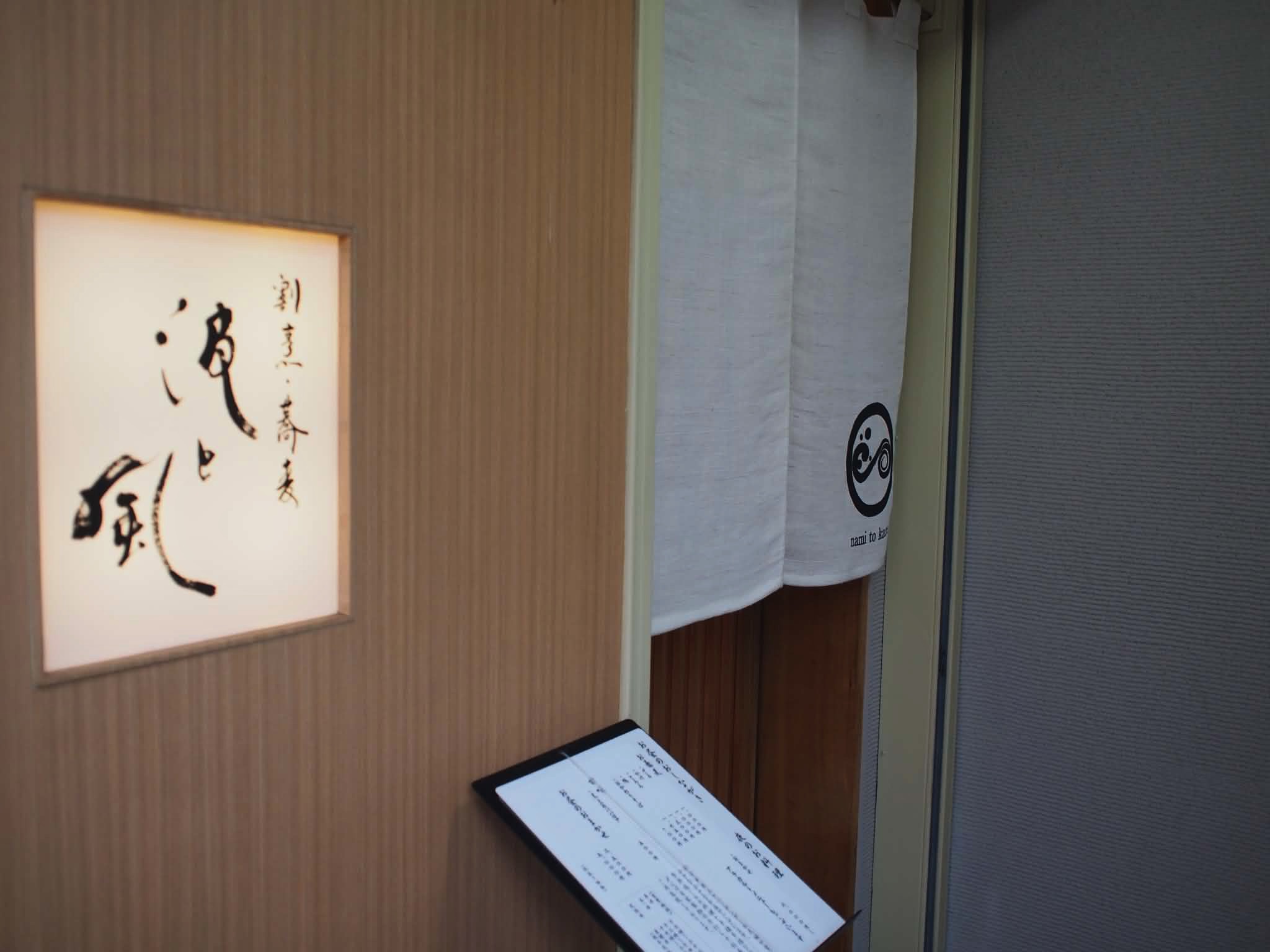
A small Japanese restaurant in Hase run by a married couple: a kappo chef and a bartender. Seasonal courses end with handmade juwari soba, milled in-house that morning. Reservations required for both lunch and dinner.