Features
Features
Top 10 Plum Blossom Viewing Spots in Kamakura in 2026
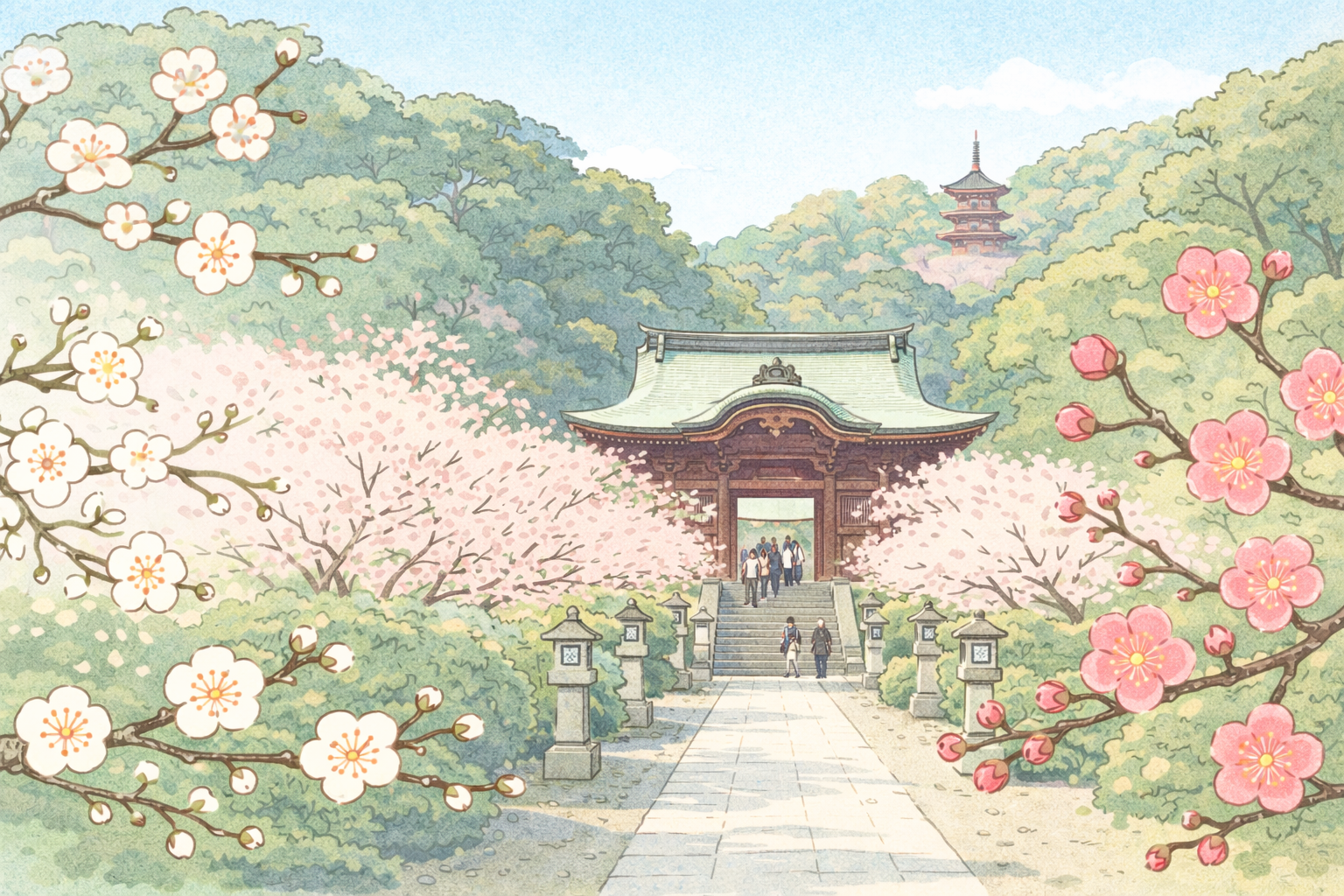
A Gentle Hint of Spring from Winter: Take an Early Seasonal Journey in Plum-Scented Kamakura
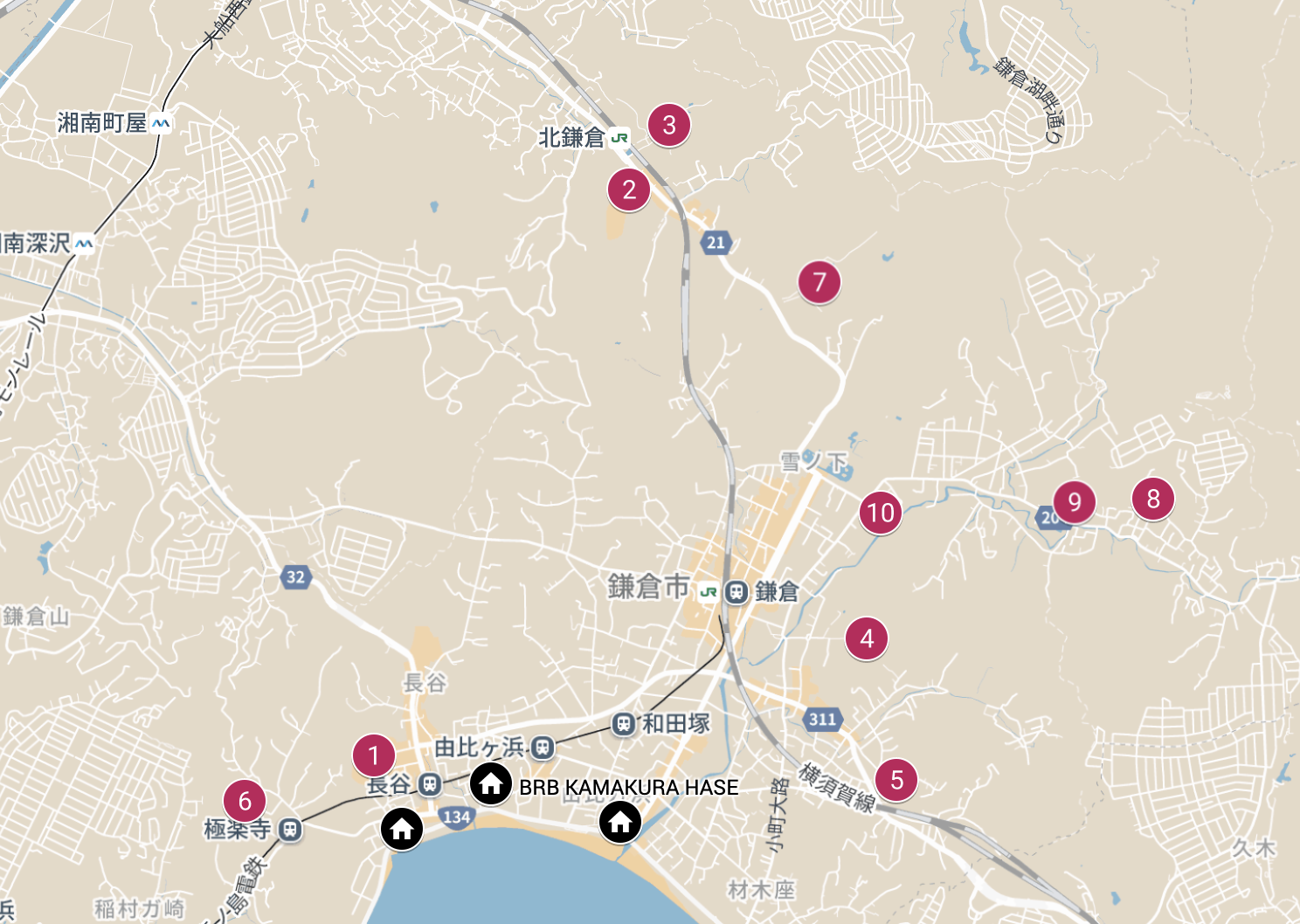
Map of 10 Selected Plum Blossom Spots
Plum Blossoms in Kamakura
As winter’s chill begins to soften and the signs of spring emerge, the gentle scent of plum blossoms drifts through the historic cityscape of Kamakura. Blooming around ancient temples and along quiet paths, the red and white blossoms, with their subtle fragrance, warmly embrace the hearts of all who visit. In this special feature, we introduce 10 carefully selected spots where you can enjoy the most beautiful plum blossoms in Kamakura. From popular favorites to hidden gems where you can quietly admire the flowers, each location comes with highlights, peak viewing times, access information, and nearby places worth stopping by. Let this guide be your companion for a plum blossom stroll filled with fragrance and color in early spring Kamakura.
Drawn by the Scent of Spring: 10 Places to Enjoy Plum Blossoms in Kamakura
Ume at Hasedera Temple
The Pure Land Adorned with Seasonal Beauty and the Fragrance of Plum Blossoms – Plum Blossoms at Hase-dera
Best Viewing Period: Late January to Early March
Hase-dera is a famous temple where a variety of plum blossoms bloom from winter to spring. Around late January, the “Tōjibai” (winter solstice plum) begins to bloom near Hōjō Pond, followed by red, white, and weeping plum blossoms reaching their peak from February to March. At night, the temple grounds are illuminated, offering a mystical view of the plum blossoms, different from their daytime beauty.
Ume at Tokeiji Temple
A Plum Blossom Tunnel Along the Pathway – The Plums of Tokeiji Temple
Best Viewing Time: Late February to Early March
At Tokeiji Temple, around 120 red and white plum trees are planted along the pathway and within the temple grounds, creating a breathtaking tunnel of blossoms at their peak. The vibrant contrast of the red and white plums against the black wooden fence enhances the scenery, offering visitors a stunning preview of spring’s arrival.
Ume at Engakuji Templ
The Harmony of Silence and Plum Blossoms: Spring at Engaku-ji
Best Viewing Period: Mid-February to Mid-March
Engaku-ji is one of Kamakura’s most renowned spots for plum blossoms, where the entire temple grounds are filled with the vibrant colors and delicate fragrance of red and white plum flowers. From the Sanmon Gate to the Buddha Hall, the Zen Training Hall (Senbutsujo), and Ryuo-in Hermitage, visitors can enjoy a variety of plum blossoms, each with a unique expression, bringing peace to the heart and a sense of spring’s arrival.
Ume at Myohonji Temple
A Harmonious Blend of Red and White Blossoms and History in the Quiet of Spring
Myohonji Temple, Kamakura’s oldest Nichiren Buddhist temple, is a quiet spot to enjoy plum blossoms. Red and white blooms appear across the grounds, with vivid crimson flowers near the Nitenmon Gate and Soshi-do Hall standing out against the historic buildings. More trees can be seen around the Soshi-do Hall and the Nichiren statue.
During plum season, Japanese white-eyes often visit the blossoms, especially in the early morning or late afternoon. With few crowds, the temple offers a calm setting for viewing and photography.
Ume at Ankokuji Temple
A Spring Landscape Adorned with History and Tranquility – The Plums of Ankoku-ronji Temple
Best Viewing Time: Late February to Early March
Ankoku-ronji Temple is a renowned site in Kamakura where red, white, and weeping plums bring color to the tranquil temple grounds. As you enter the temple gate, white and weeping plums welcome visitors on the left side of the path. A striking red plum tree stands beside the main hall, while a magnificent white plum tree in front of the Nichiren Iwaya (Cave of Nichiren) adds to the beauty of the scene, signaling the arrival of spring.
Ume at Gokurakuji Temple
Discovering Spring in the Tranquility of Gokurakuji Temple’s Plum Blossoms
Best Viewing Time: Mid-February to Mid-March
Gokurakuji Temple, nestled in the scenic and nostalgic atmosphere of Kamakura, is home to about ten plum trees that quietly announce the arrival of spring. The plum blossoms near the temple gate reach their peak from mid to late February, while those in front of the main hall are at their best from late February to mid-March. The serene view of the thatched-roof structures framed by blooming plum trees is both peaceful and deeply touching.
Ume at Kenchoji Temple
Explore the Diverse Plum Blossoms Across the Expansive Grounds of Kencho-ji Temple
Best Viewing Time: Mid-February to Mid-March
Kencho-ji Temple is a renowned plum blossom destination where visitors can enjoy a long blooming season, as different areas of its vast grounds reach peak bloom at different times. Each sub-temple (tatchu) features unique varieties of plum blossoms and scenery, offering a tranquil atmosphere to leisurely savor the beauty of the season.
Ume at Jomyoji Temple
Red and White Plum Blossoms Heralding the Arrival of Spring, with the Songs of Wild Birds: Plum Blossoms at Jomyoji Temple (浄妙寺)
Best Viewing Period: Mid-February to Early March
Jōmyō-ji Temple is a renowned spot in Kamakura where red and white plum blossoms bloom along the temple path, while wintersweet and Kawazu cherry blossoms add vibrant colors to the grounds. The harmonious blend of birdsong and the fragrance of flowers creates a peaceful springtime experience for visitors.
Ume at Sugimoto Temple
The Tranquil Elegance of an Ancient Temple – The Plums of Sugimoto-dera
Best Viewing Time: Mid-February to Early March
At Sugimoto-dera, a small number of plum trees harmonize beautifully with the temple’s serene atmosphere, quietly signaling the arrival of spring. Scattered white and red plum blossoms add subtle yet profound charm to the landscape, complementing the thatched-roof main hall and the Niomon Gate with their gentle hues.
Ume at Hokaiji Temple
A Stunning View of Weeping Plum Blossoms in Full Bloom – The Plum Blossoms of Hōkai-ji
Best Viewing Period: Mid-February to Late March
Hōkai-ji is a famous temple known for its diverse variety of plum blossoms, including weeping plums, red and white plums, and the unique Omoi no Mama, a tree that produces both red and white blossoms on a single branch. Among them, the weeping plum trees stand out, displaying their graceful beauty despite enduring typhoons and salt damage. As a herald of spring, these blossoms captivate visitors with their stunning display.