Hasedera’s Plum Blossoms (長谷寺)
The Charm of Hasedera’s Plum Blossoms
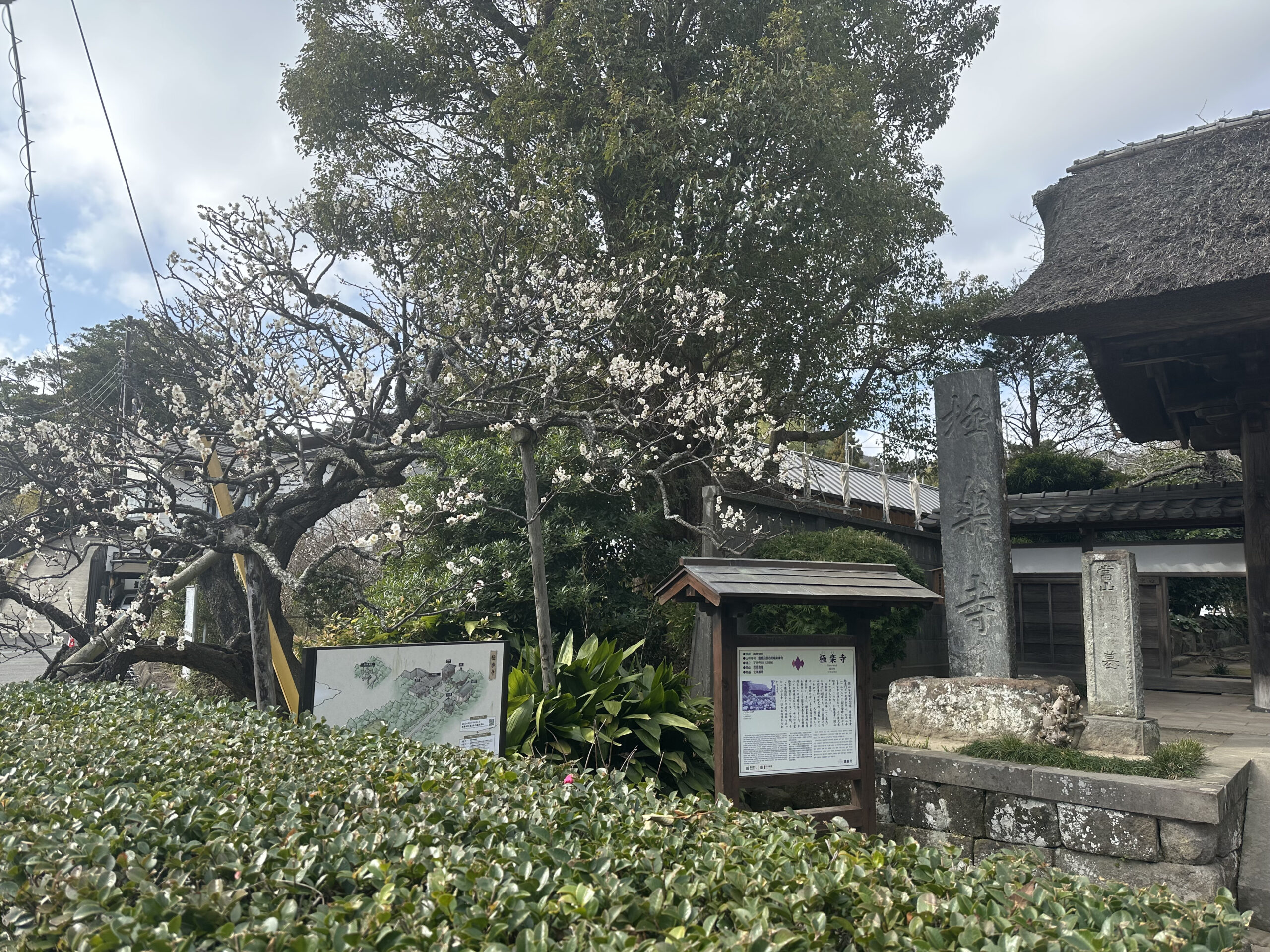
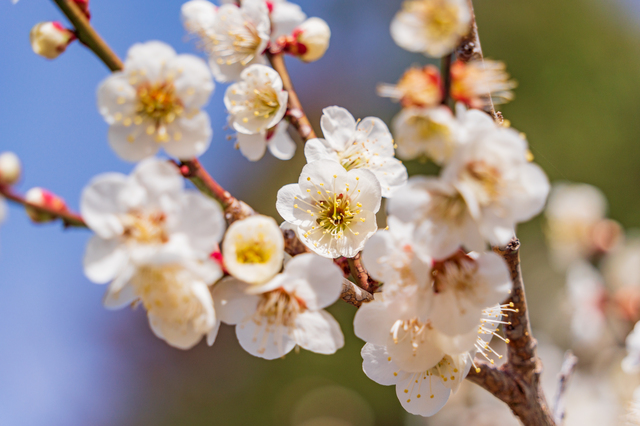
Hasedera Temple is renowned for its diverse array of plum blossoms that bloom from winter to spring. From late January, the winter solstice plum blossoms around Hojo Pond begin to bloom, followed by red plums, white plums, and weeping red plums that reach their peak from February to March. These blossoms fill the temple grounds with a sweet fragrance, captivating visitors with their beauty.
History and Background
Hasedera Temple, founded in the early 8th century, is a historic temple with breathtaking scenery, often referred to as the “Western Pure Land of Kamakura.” While it is famous for its hydrangeas, the plum blossom season also offers a unique and captivating charm, with early and late bloomers creating a vibrant landscape.
Best Season to Visit and How to Enjoy
- Late January to Early February: Winter solstice plums and wax plums begin blooming around Hojo Pond, signaling the arrival of early spring.
- Mid-February to Early March: Red, white, and weeping red plums bloom in succession, filling the temple grounds with vivid colors.
- Nighttime Illumination: From mid-February to early March, the plum blossoms are illuminated from sunset until 7:00 PM, creating an enchanting atmosphere distinct from the daytime scenery.
Especially around Myochi Pond and Hojo Pond, winter solstice plums and early-blooming plums thrive, offering a glimpse of spring even in the cold winter air. Around the main hall, the nighttime illumination enhances the beauty of the statues and bamboo grove, creating a solemn and mystical ambiance.
Recommended Ways to Enjoy
- Visit in the morning or evening for a serene experience: Enjoy the full fragrance of the plum blossoms.
- Photography tips: Tripods are prohibited on pathways during nighttime illumination, so plan accordingly.
- Participate in the “Plum Festival”: Held during the illumination period, the festival allows visitors to appreciate the beauty of the blossoms day and night.
Conclusion
The plum blossom season at Hasedera Temple offers a luxurious experience filled with floral fragrance and breathtaking scenery. When visiting Kamakura, take the time to explore the enchanting plum blossoms at Hasedera and immerse yourself in the beauty of the changing seasons.
Toshi’s Evaluation (2026)
| Evaluation Category | Score | Reason |
|---|---|---|
| Scenery | 10 | Highly rated for its hilltop temple complex and traditional pond garden overlooking both the ocean and the cityscape. Among temples and shrines in Kamakura (鎌倉), it consistently ranks among the top for scenic value. |
| Accessibility | 9 | Just a few minutes’ walk from Enoden Hase Station, making it very easy to reach. However, due to increased visitor numbers across Kamakura (鎌倉), weekend and holiday congestion and traffic prevent it from receiving a perfect score. |
| Historical Value | 9 | Highly regarded as an old and historically significant temple that serves as a stop on the Bando 33 Kannon Pilgrimage. However, since reviews tend to focus more on the scenery, flowers, and the Kannon statue than on the history of the plum trees themselves, it doesn’t score a perfect ten. |
| Comfort | 7 | While its facilities and interactive experiences are appreciated, many visitors mention the large number of stairs and heavy crowds during flower season. This balance places it just slightly above average in terms of overall comfort. |
| Reviews | 9 | Most review sites show average ratings of around 4.3 to 4.5, with numerous positive comments. That said, ongoing concerns about crowding and wait times prevent it from achieving a perfect score. Still, it remains one of the most popular and satisfying destinations. |
Total Score: 44
Overall Evaluation: The plum blossoms at Hasedera Temple (長谷寺) offer a well-rounded experience thanks to the scenic views, flower-filled grounds, historical depth, and consistently high review scores. As one of the top plum blossom spots in Kamakura (鎌倉), it provides a satisfying visit for inbound travelers—especially if they plan their visit to avoid peak-time crowds.