Jochiji Temple Plum Blossoms (浄智寺)
The Charm of Jochiji’s Plum Blossoms
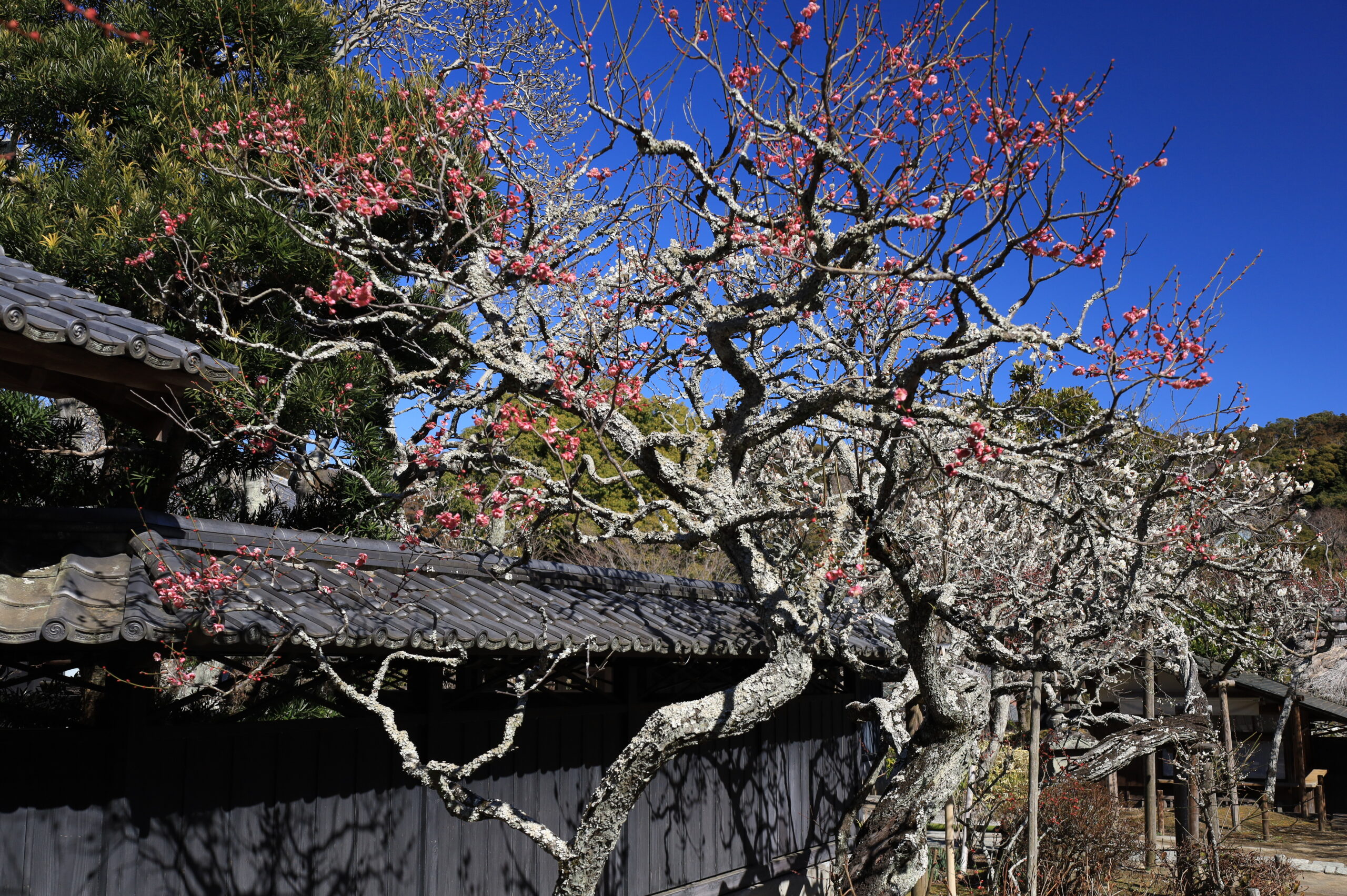
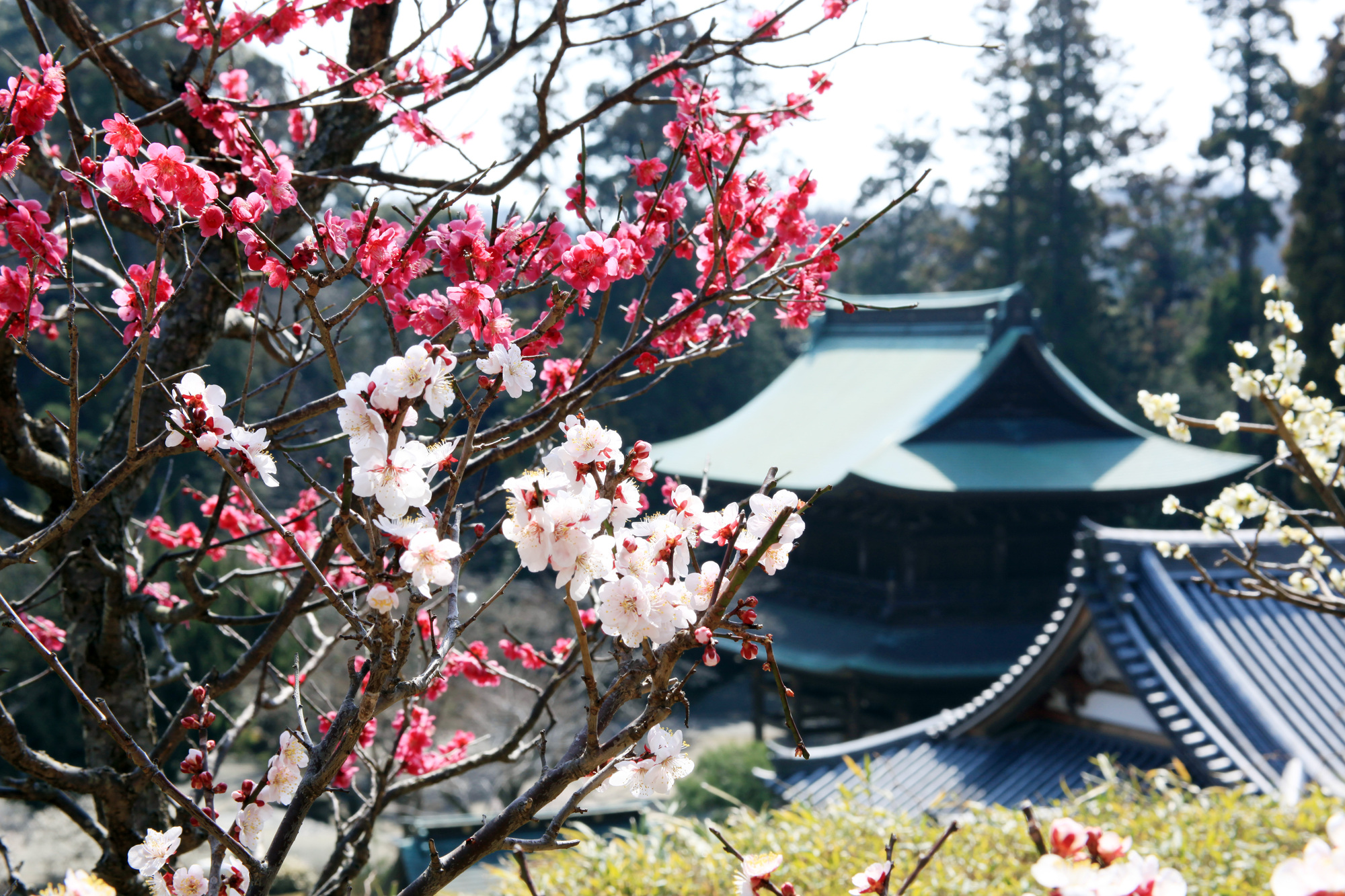
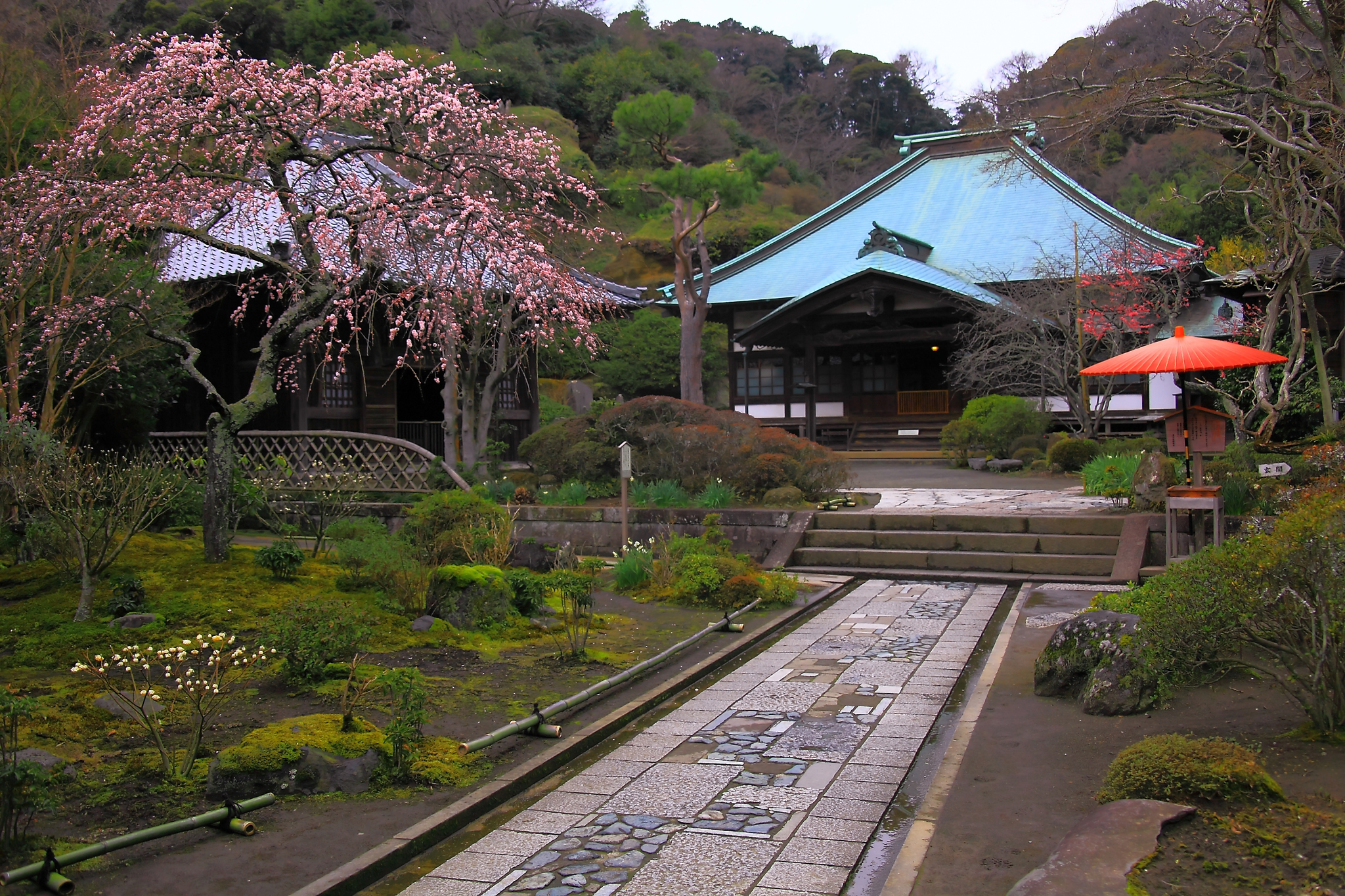
Jochiji Temple is a hidden gem in Kita-Kamakura, where plum blossoms bloom against the backdrop of the thatched-roof tea house “Ryuen-so” and the temple’s study hall. Though modest in number, these blossoms harmonize with the temple’s serene atmosphere, gently signaling the arrival of spring to visitors.
History and Background
Jochiji Temple, founded in the late 13th century, is one of the Five Great Zen Temples of Kamakura and a symbol of Kita-Kamakura’s tranquility. From late February to mid-March, white plums, weeping plums, and wintersweet flowers decorate the temple grounds, captivating visitors.
Best Time to Visit and Highlights
- Late February to Mid-March: The temple grounds reach peak bloom, with stunning white and weeping plum blossoms.
- Mid-January to Early February: Wintersweet begins blooming around Ryuen-so, filling the air with its sweet fragrance and heralding the coming of spring.
- Mid-March: Alongside the plums, Mitsumata flowers also bloom, offering a different touch of spring color.
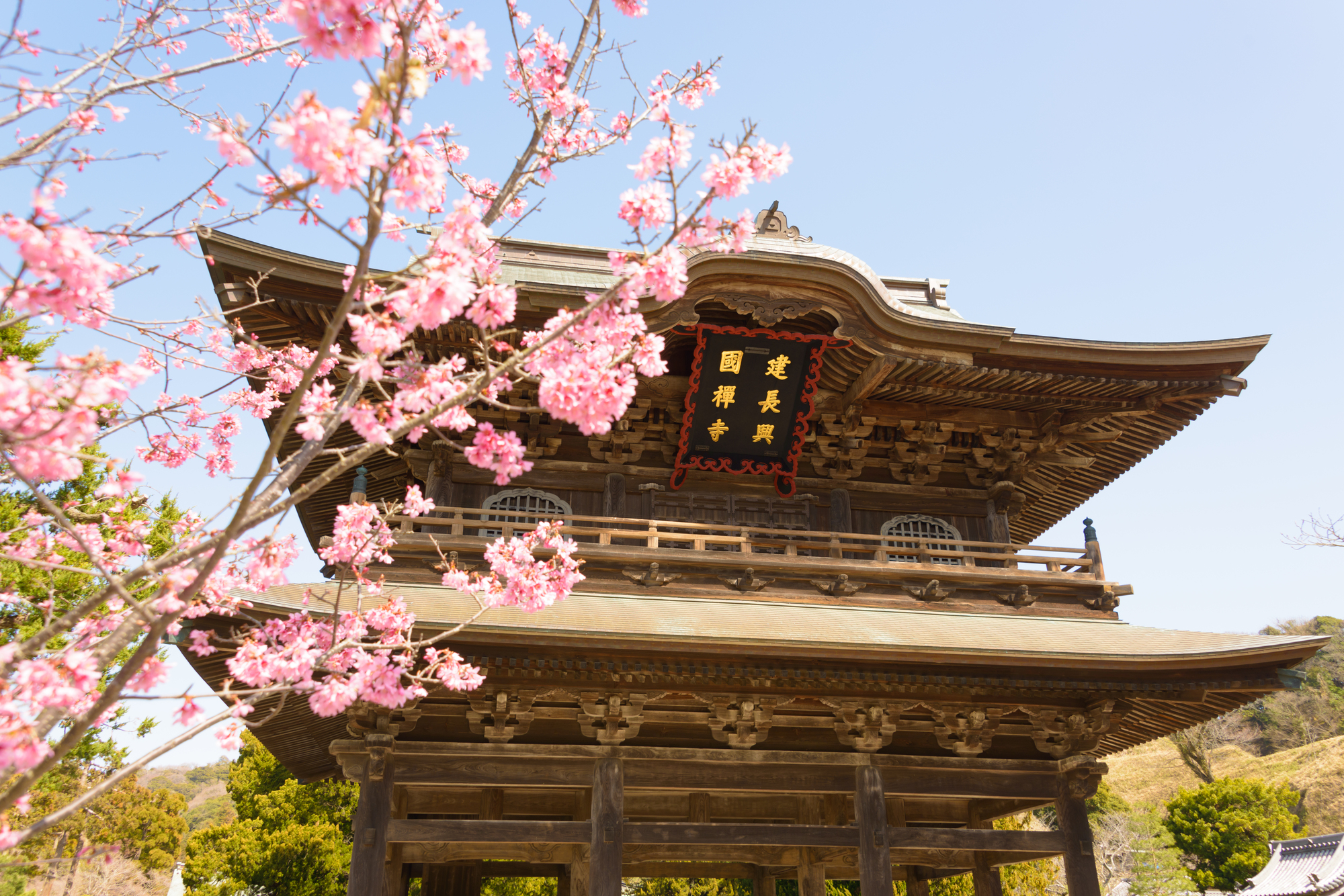
Passing through the Bell Tower Gate, visitors are greeted by white and weeping plum blossoms leading towards the main hall. Near the gate and beside the Buddha Hall, delicate white weeping plums stand out in particular beauty. The area beside the main hall (Dongaden) features additional weeping plums, which reach their peak in late February. The white plum to the right of the main hall exudes an elegant charm, while the weeping plums near the stone statues on the left add a soft touch of color.
The Garden and Ryuen-so Scenery
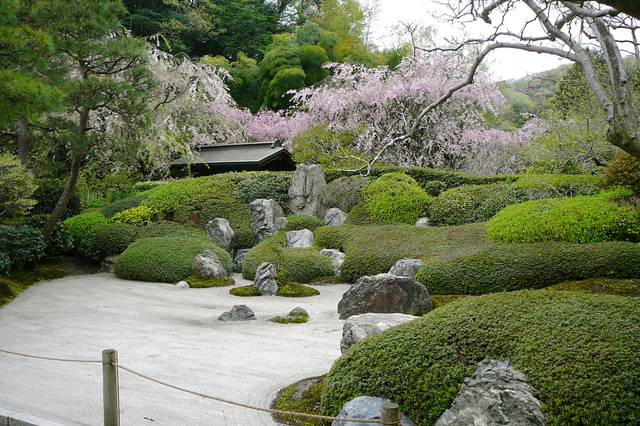
In the temple’s garden, scattered plum blossoms add beauty to the scene. Particularly, the old plum tree in front of the study hall creates a stunning harmony with the thatched-roof architecture. The wintersweet trees flanking Ryuen-so are also a highlight, their sweet fragrance filling the air with the essence of spring.
The Subtle Beauty of a Few Plum Trees
Unlike other temples with abundant plum trees, Jochiji’s limited number of blossoms seamlessly blend into the landscape, offering a peaceful and contemplative experience. Combining a visit with nearby Engakuji and Tokeiji Temples can enhance a plum blossom tour in the Kita-Kamakura area.
Conclusion
Jochiji Temple is a hidden treasure where visitors can appreciate the understated beauty and quiet ambiance of spring. When visiting Kamakura, take the time to experience the temple’s tranquility and enjoy a truly relaxing moment.
Toshi’s Evaluation (2026)
| Evaluation Category | Score | Reason |
|---|---|---|
| Scenery | 8 | White and weeping plum blossoms are scattered throughout the quiet foothill temple grounds, harmonizing with the bell tower gate, main hall, and slightly mountainous terrain. Though not flashy, the plum scenery reflects a refined sense of wabi-sabi. |
| Accessibility | 8 | About a 6–7 minute walk from JR Kita-Kamakura Station (北鎌倉駅), meeting the under-10-minute walk criteria. However, since the route includes walking along a busy road and is not immediately adjacent to the station, it falls short of a perfect score in comfort. |
| Historical Value | 9 | Ranked fourth among the Kamakura Gozan, Jochiji Temple (浄智寺) has held a prestigious place since the medieval era and is one of the prominent temples of Kita-Kamakura. While its religious importance is high, it is slightly less known nationwide compared to the top-tier Gozan temples. |
| Comfort | 8 | Despite being a well-known temple, it is relatively quiet in the Kita-Kamakura area, even during plum season, allowing for peaceful strolling. Basic facilities are well maintained. |
| Reviews | 7 | The tranquil atmosphere and ambiance are praised, though some mention its modest scale and uneven paths. Overall, reviews are good but don’t reach the highest tier. |
Total Score: 40
Overall Evaluation
The plum blossoms at Jochiji Temple (浄智寺) offer a tranquil spring setting amidst the wooded hills of Kita-Kamakura, where subtle architecture and restrained floral beauty create a calm, contemplative experience. It is especially suited for visitors who value Japanese aesthetics with a sense of quiet refinement, and works well as part of a broader temple walk in the Kita-Kamakura area.