Plum Blossoms at Eishoji Temple (英勝寺)
The Beauty of Plum Blossoms at Eishoji
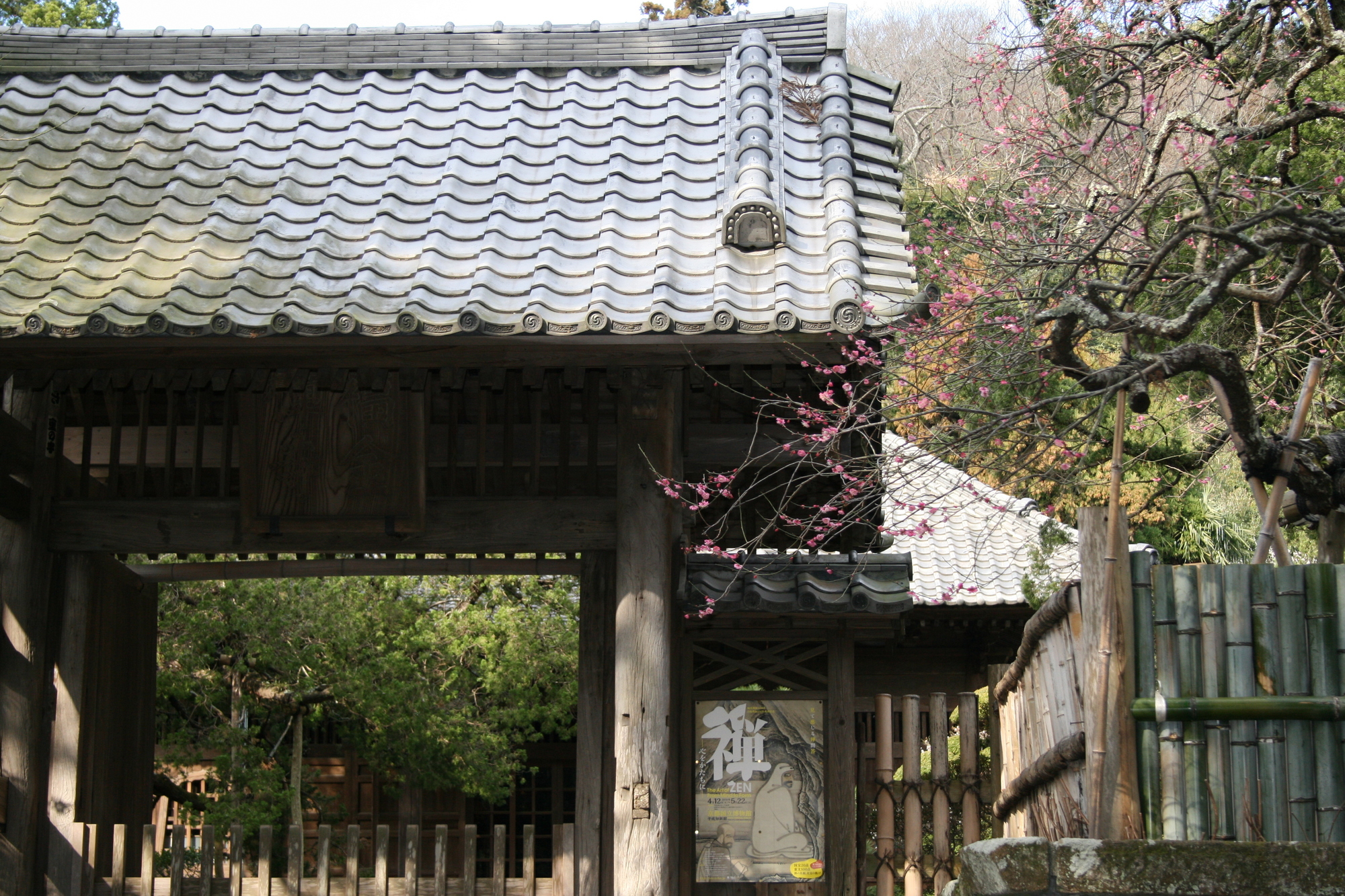
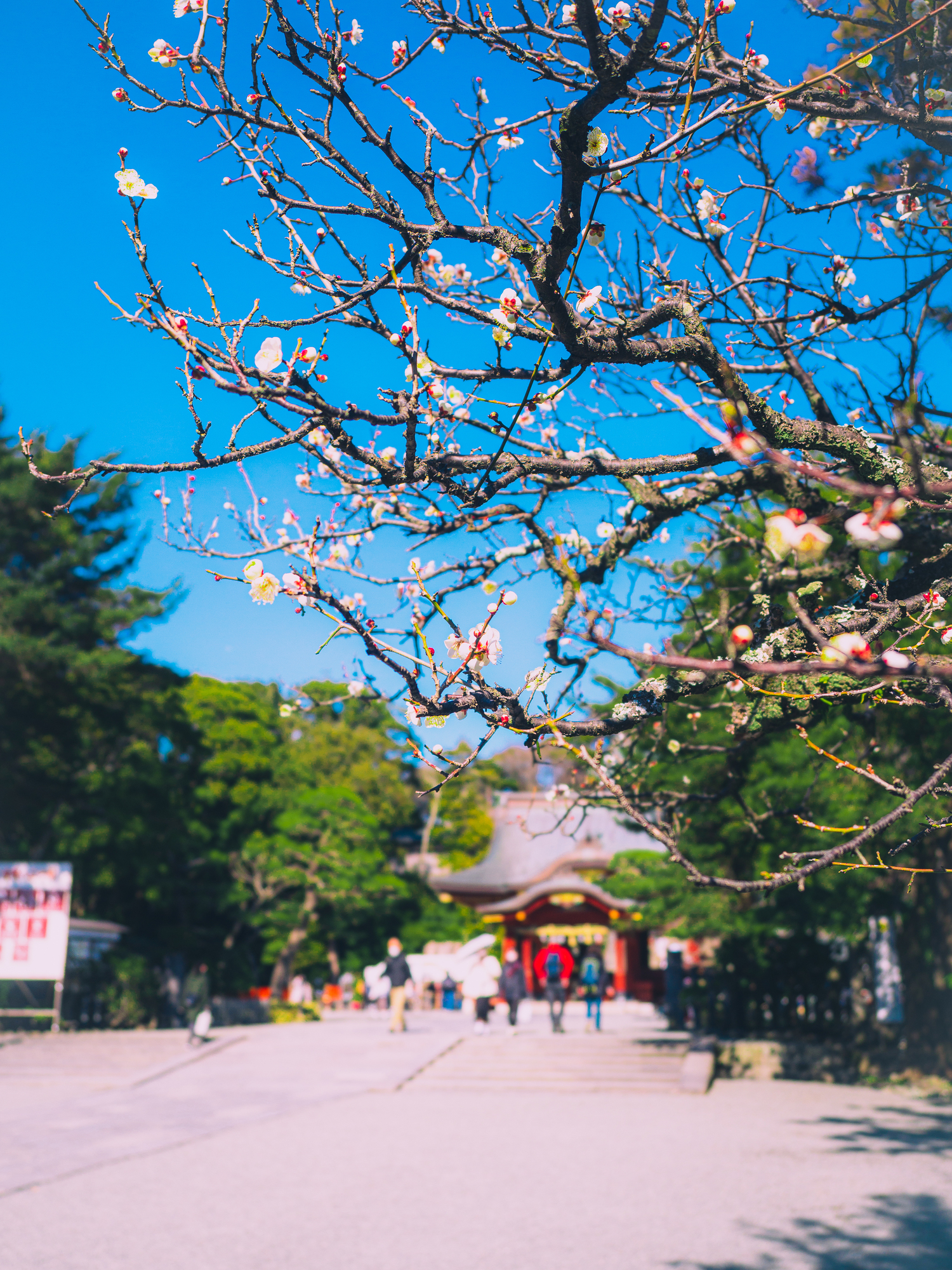
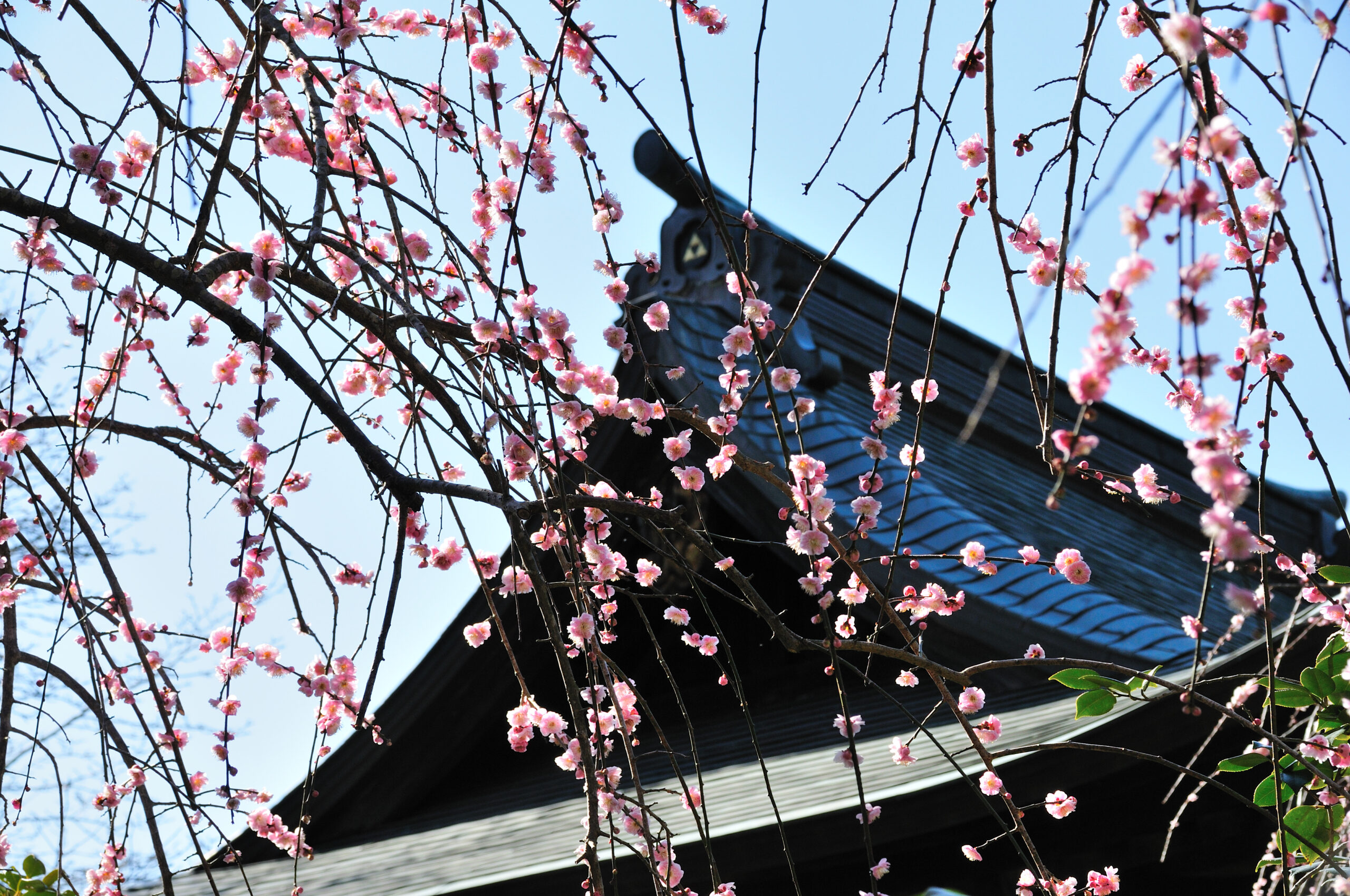
Eishoji Temple, the only nunnery in Kamakura, is adorned with countless white plum blossoms that quietly bloom, captivating visitors with their pure elegance. The tranquil bamboo grove within the temple grounds further enhances the serene atmosphere, providing a peaceful retreat to welcome the arrival of spring.
History and Background
Eishoji Temple (英勝寺) holds historical significance as Kamakura’s only nunnery and is renowned as a prime location for viewing white plum blossoms in spring. From mid-February to early March, the blossoms reach their peak, filling the serene temple grounds with a graceful ambiance. Early-blooming white plums greet visitors at the temple gate, while the path from the entrance to the main hall is beautifully lined with delicate blossoms.
Best Season to Visit and Highlights
- Mid-February to Early March: The white plum trees reach full bloom, offering a stunning display in a peaceful setting.
- Varied Blooming Periods: While white plums dominate, a few red plum trees add diversity, allowing visitors to enjoy different sceneries depending on the timing.
- Harmonious Blend of History and Nature: The temple’s historic gates and main hall create a picturesque setting when complemented by blooming plums.
The Harmony of Bamboo and Plum Blossoms
The temple grounds feature a tranquil bamboo grove, which accentuates the purity of the white plum blossoms. The serene combination of bamboo and plum trees offers a soothing experience, allowing visitors to immerse themselves in the natural beauty of Eishoji.
The Legacy of the Wabisuke Camellia
Previously, Eishoji was home to the Wabisuke Camellia, a natural monument beloved alongside the temple’s plum blossoms. However, in 2023, it was confirmed that the historic tree had perished. While many lament its loss, the current landscape highlights the beauty of the bamboo grove and white plum blossoms, further enhancing the temple’s tranquil charm.
Conclusion
Take a moment to appreciate the exquisite harmony between historic architecture and nature at Eishoji Temple. The peaceful atmosphere, enhanced by the elegant white plum blossoms, offers a truly unique spring experience.
Toshi’s Evaluation (2026)
| Evaluation Category | Score | Reason |
|---|---|---|
| Scenery | 9 | In the quiet grounds of Kamakura’s only nunnery, about 30 white plum trees are scattered, harmonizing beautifully with the main hall, gate, and bamboo grove. While not on the scale of a major plum grove, the refined composition offers strong visual appeal. |
| Accessibility | 8 | Located about a 10–12 minute walk from the West Exit of JR and Enoden Kamakura Station (鎌倉駅), with a relatively straightforward route. However, it is not directly adjacent to the station, and in rainy weather or with luggage, the distance may feel longer. |
| Historical Value | 9 | As Kamakura’s only nunnery and a temple linked to the Mito Tokugawa family, it holds significant cultural and historical value. It is also part of a designated Japan Heritage site, though it lacks the international fame of Kamakura’s top-tier temples. |
| Comfort | 7 | Though close to the city center, the temple remains fairly quiet, allowing for peaceful enjoyment of plum blossoms and bamboo. However, the grounds are compact with narrow pathways, and there are occasional closures and limited facilities. |
| Reviews | 6 | Visitors appreciate the tranquility and ambiance, but some point out the small scale and limited amenities. Overall, reviews are positive, but not in the top rating range. |
Total Score: 39
Overall Evaluation
The plum blossoms at Eishoji Temple (英勝寺) offer a refined early spring scene where white plums, bamboo, and culturally significant temple buildings connected to the Tokugawa family come together. With its unique historical background and calm atmosphere, it is an ideal destination for visitors seeking a quieter plum-viewing experience within walking distance of Kamakura Station.