Plum Blossoms at Hokaiji Temple (宝戒寺)
The Beauty of Plum Blossoms at Hokaiji
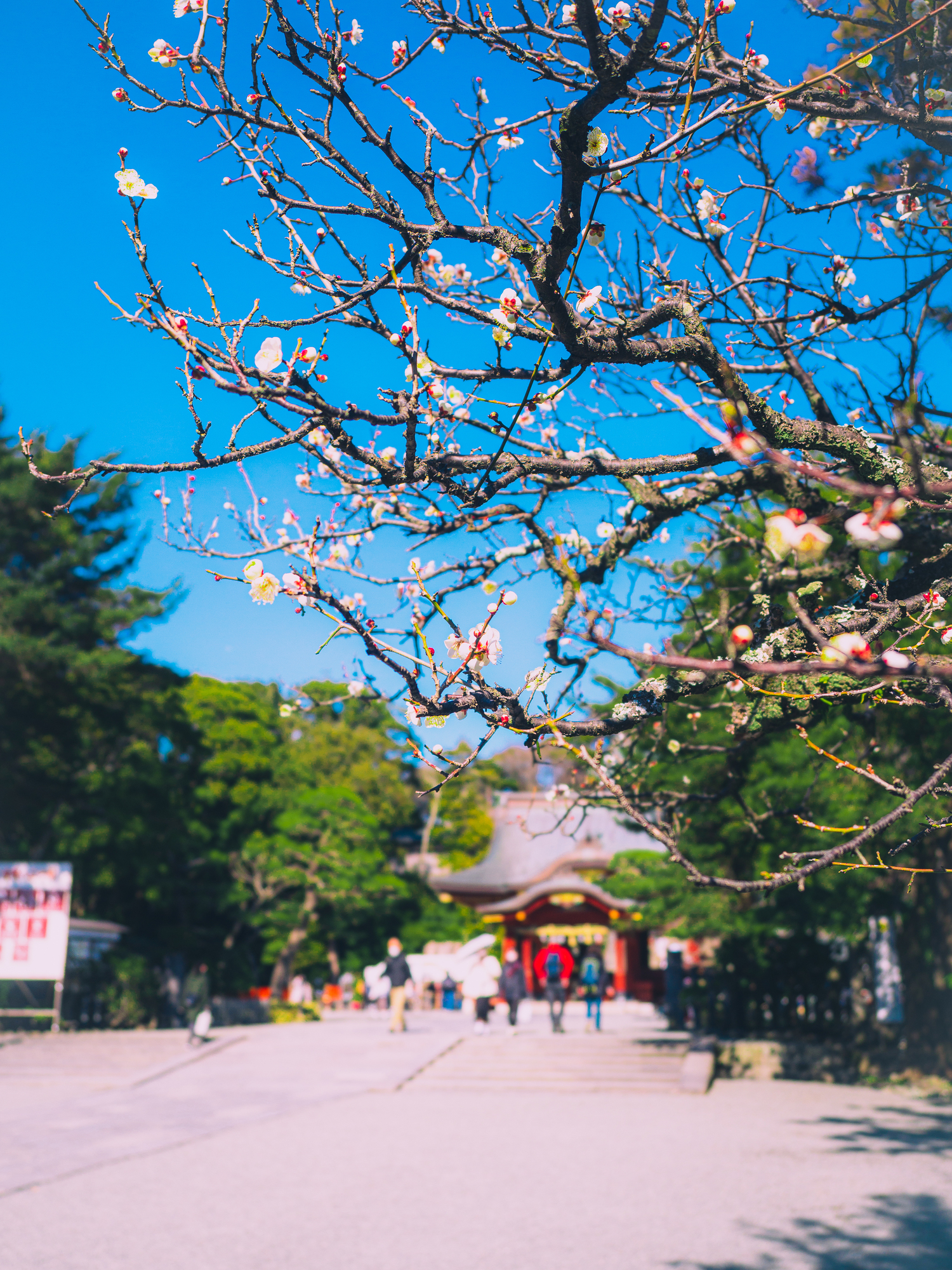
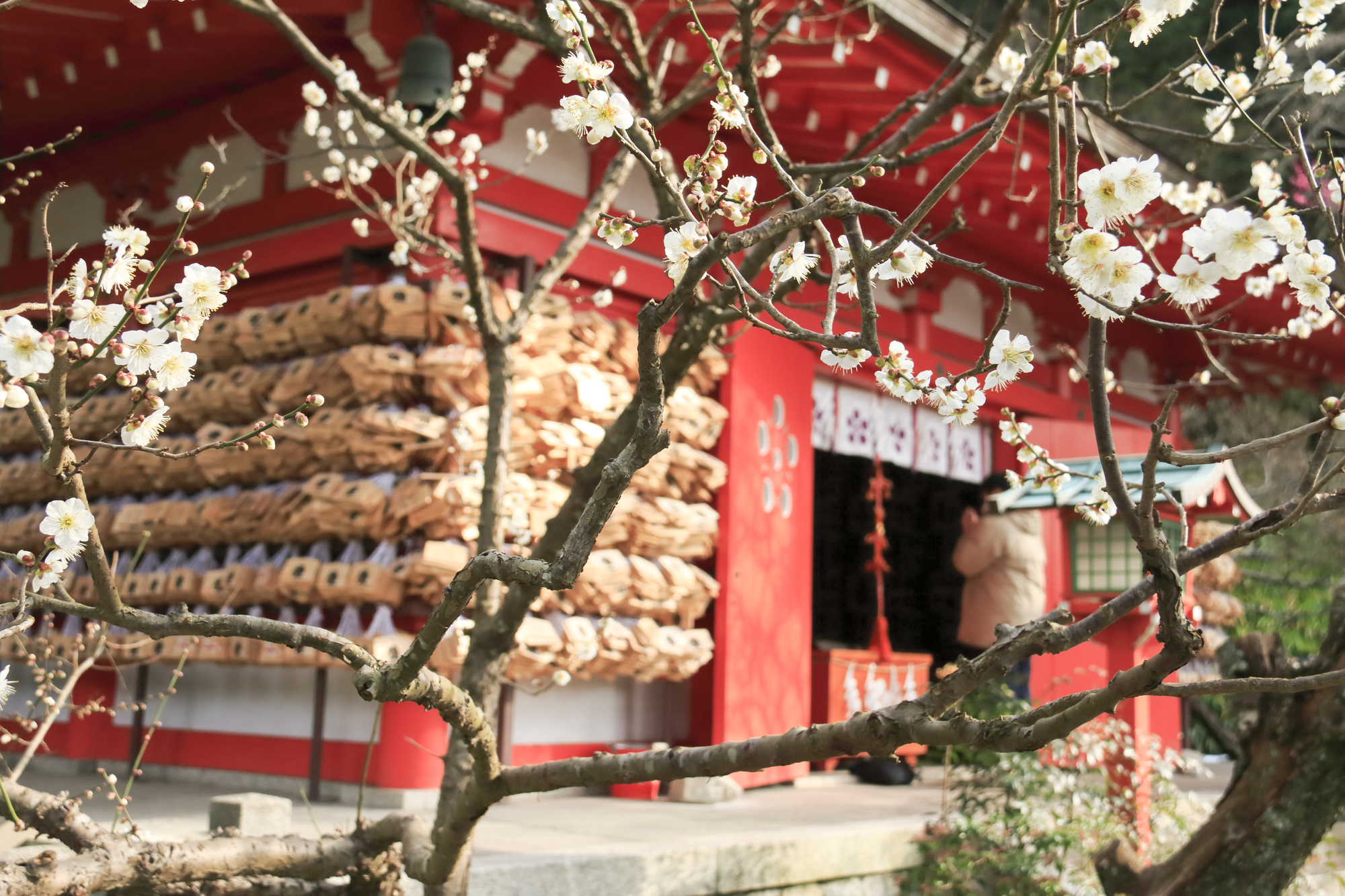
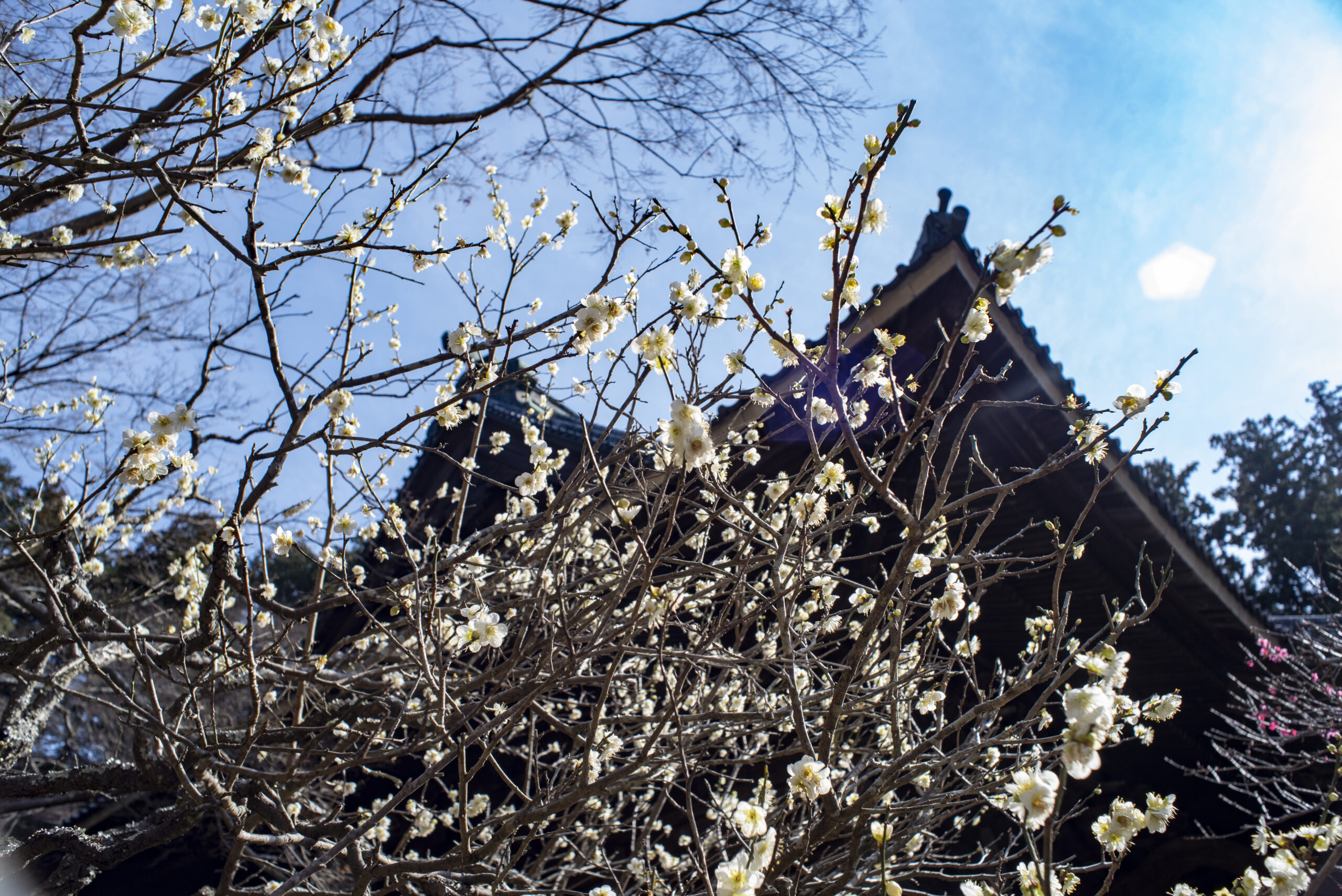
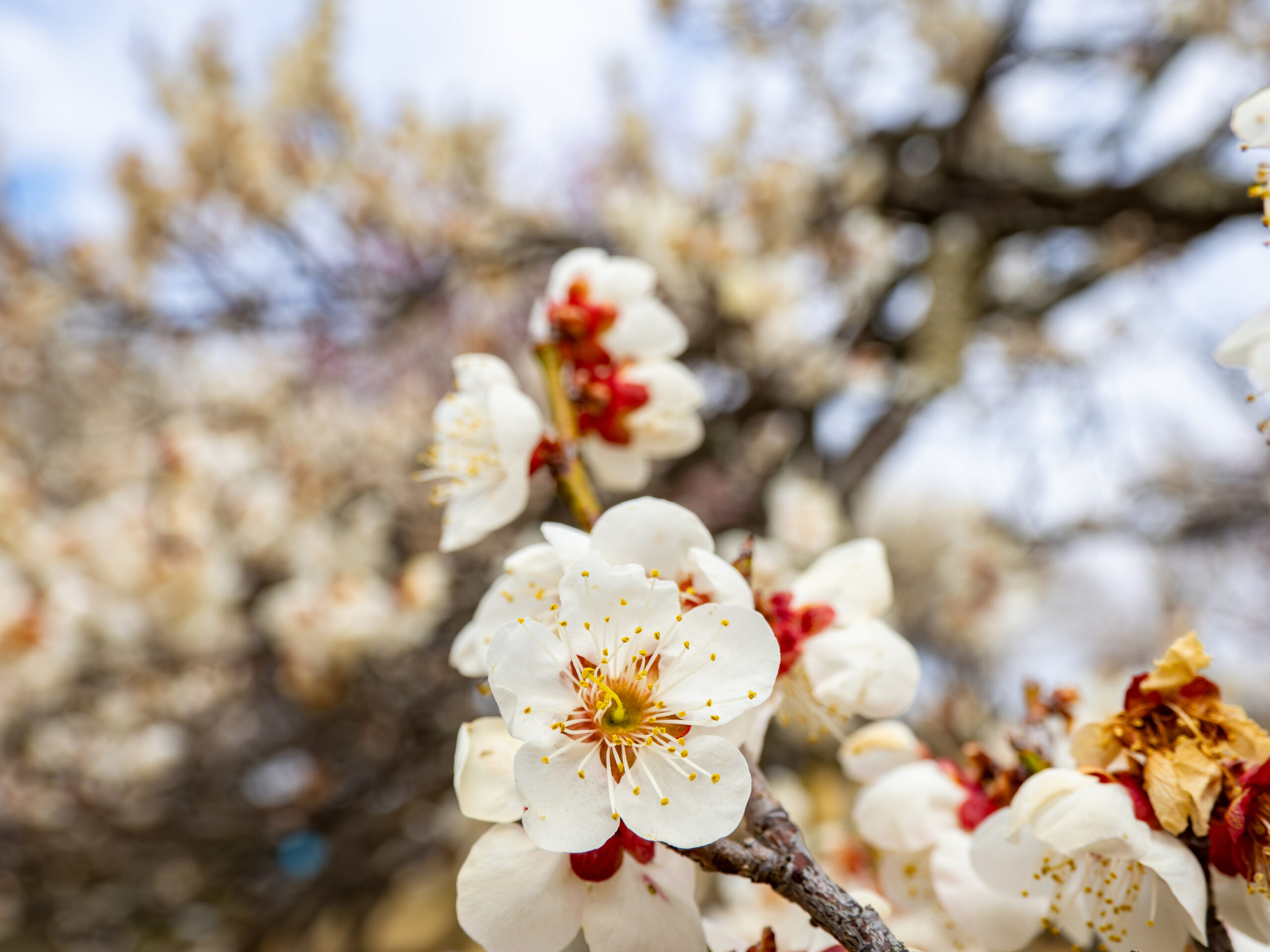
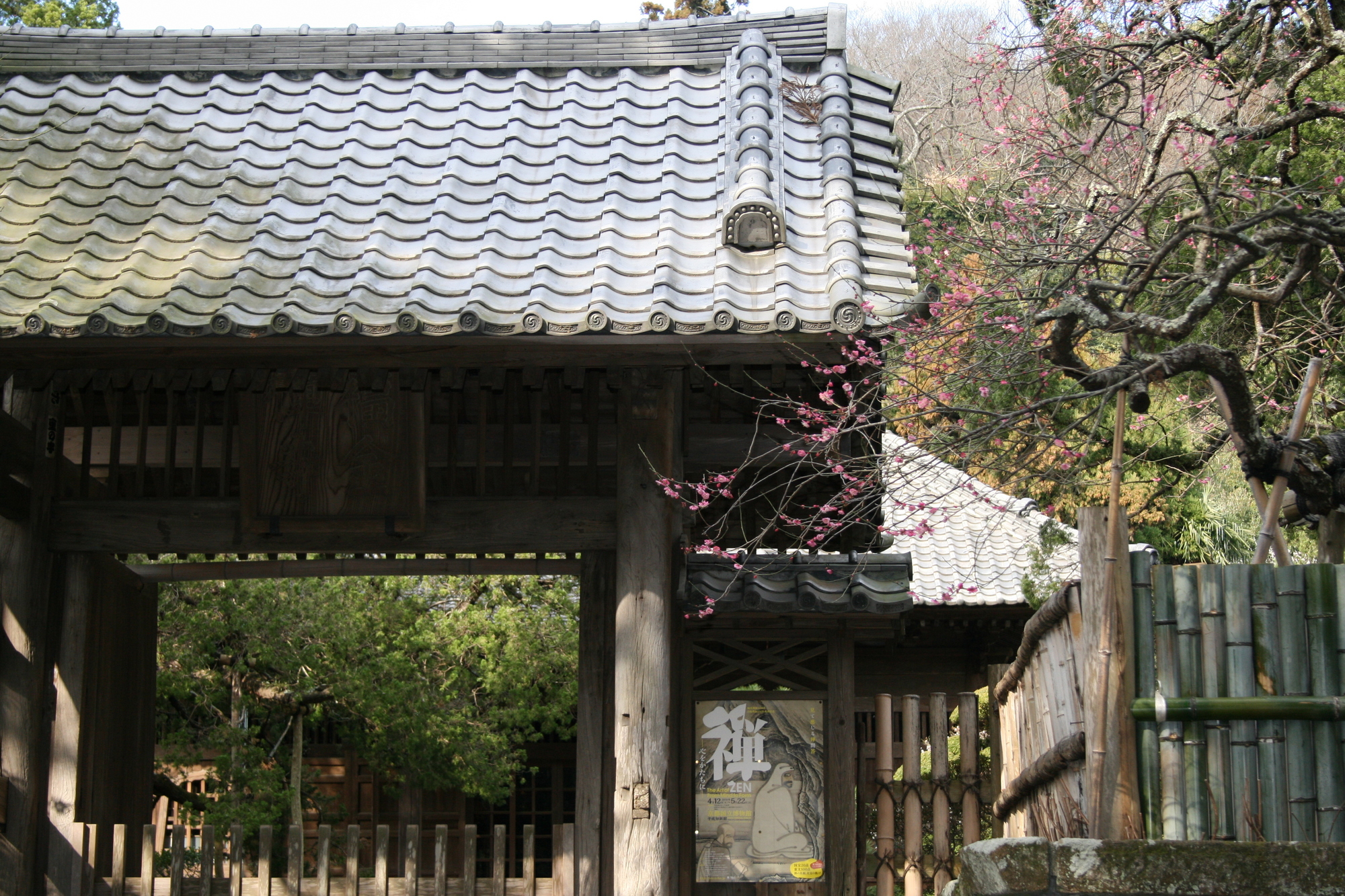
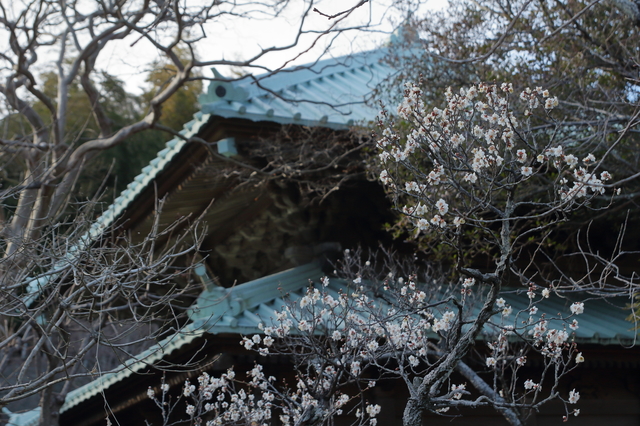
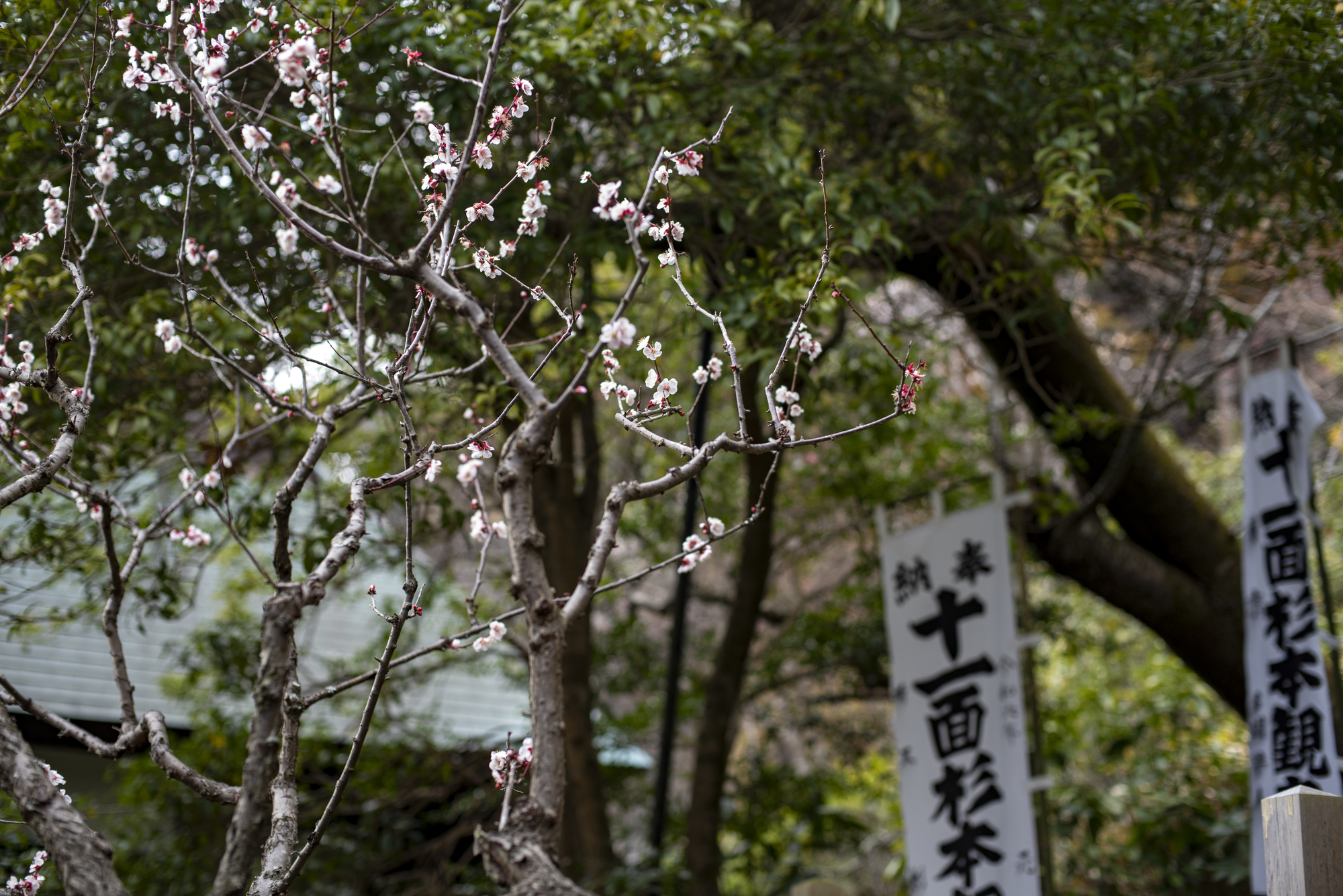
Hokaiji Temple is a renowned spot in Kamakura where various plum trees, including weeping plums, red plums, white plums, and the unique “Omoi-no-mama,” which produces both red and white flowers on a single tree, bloom in harmony. The weeping plum, standing strong despite typhoon damage and salt exposure, is a striking symbol of spring’s arrival, captivating visitors with its elegant presence.
History and Background
Hokaiji (宝戒寺) was founded in the early 14th century as a Tendai sect temple to honor the memory of Hojo Takatoki. While it is well known as the “Hagi Temple” (Bush Clover Temple) due to its famous autumn flowers, in spring, its diverse array of plum blossoms adds vibrant color to the temple grounds.
Best Season to Visit and Highlights
- Mid-February to Mid-March: Red, white, and weeping plums bloom in sequence.
- Mid-March Onward: Weeping plums reach their peak, displaying their most stunning beauty.
- “Omoi-no-mama”: A rare tree with both red and white blossoms, offering a different spectacle each year.
Plum Blossoms Around the Temple
Around 30 plum trees are scattered throughout the temple grounds, with notable concentrations in front of the main hall and around the Daisho Kankiten Hall. Among them, the weeping plum on the left side of the main hall is a must-see. Particularly impressive is the “Soei Plum,” a magnificent weeping plum tree measuring 5–6 meters in height and spreading over 10 meters wide, making it one of the most stunning plum trees in Kamakura.
Checking Plum Blooming Status
Observing the plum trees near the entrance is a good way to gauge the overall bloom status within the temple grounds. Since weeping plums tend to reach full bloom after other plums start shedding their petals, visiting after March 15 is highly recommended for the best viewing experience.
Access and Crowds
Hokaiji is conveniently located just a 3-minute walk from Tsurugaoka Hachimangu Shrine, making it a popular stop on the Kamakura-Enoshima Seven Lucky Gods pilgrimage. While weekends can be crowded, weekdays offer a more relaxed viewing experience, making them ideal for visitors looking to enjoy the plum blossoms in a serene setting.
Conclusion
For a peaceful springtime experience, visit Hokaiji Temple and immerse yourself in the beauty of its diverse plum blossoms against a backdrop of historical elegance.
Toshi’s Evaluation (2026)
| Evaluation Category | Score | Reason |
|---|---|---|
| Scenery | 9 | The temple grounds are home to various plum varieties, including weeping plum, red and white plum, and “Omoi no mama.” The famous Shidare-ume known as “Soen-ume” is especially notable. From mid-February to early March, the harmony between the blossoms and the temple buildings creates a highly photogenic and refined atmosphere. |
| Accessibility | 8 | About a 13-minute walk from JR Kamakura Station (鎌倉駅) East Exit, or a short walk from the nearest bus stop. Accessibility is generally good, but it falls short of a perfect score due to not being within a 5-minute walk from the station. |
| Historical Value | 9 | Built on the site of the former Hojo clan residence during the Kamakura period, this Tendai sect temple was established by Ashikaga Takauji to honor the Hojo family. It holds deep historical ties to Kamakura’s political past and is known as a flower temple. |
| Comfort | 8 | The grounds are compact and retain a calm atmosphere. While foot traffic increases during peak bloom, it generally avoids the heavy crowds of Kamakura’s most popular central spots. |
| Reviews | 7 | Overall, the temple receives upper-mid-tier evaluations, with high praise specifically for the plum blossoms. However, average ratings tend to fall between 3.5 and 3.9, just below the top tier. |
Total Score: 41
Overall Evaluation
Hokaiji Temple’s (宝戒寺) plum blossoms, especially the weeping variety known as Soen-ume, offer a visually rich experience that harmonizes beautifully with the temple’s architecture. As one of Kamakura’s (鎌倉) representative plum spots, it provides a satisfying destination even for visitors focused specifically on plum viewing.