Plum Blossoms at Kosokuji (光則寺)
The Beauty of Plum Blossoms at Kosokuji
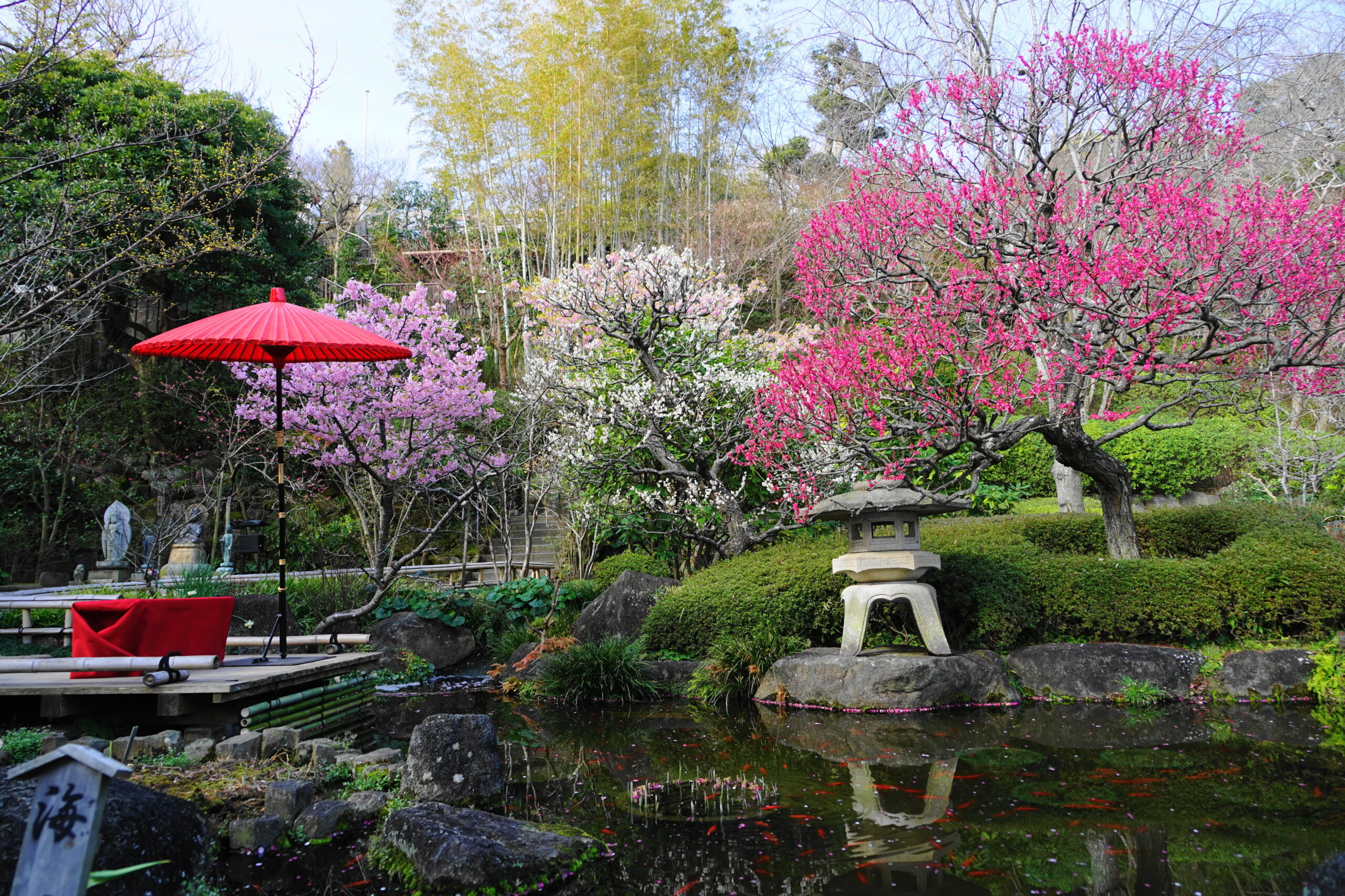
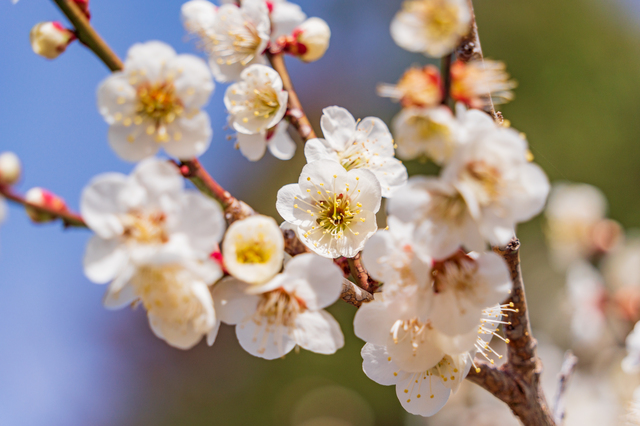
Kosokuji Temple is a hidden gem in Kamakura, where ancient plum trees, aged between 200 and 300 years, fill the temple grounds with vibrant blossoms. Alongside red and white plums, the rare “Omoinomama” variety and wintersweet (Roubai) create a picturesque garden that heralds the arrival of spring.
History and Background
Kosokuji (光則寺) was founded in the late 13th century and is also known as the “Temple of Flowers.” The compact yet meticulously maintained garden boasts a variety of seasonal blooms. During plum season, visitors can enjoy red and white plums, the unique “Omoinomama” variety, and wintersweet, which reaches peak bloom between January and February.
Best Season to Visit and Highlights
- January to late February: Wintersweet blooms, adding a golden touch to the garden.
- Mid-February to early March: Red and white plums, along with “Omoinomama,” bloom successively.
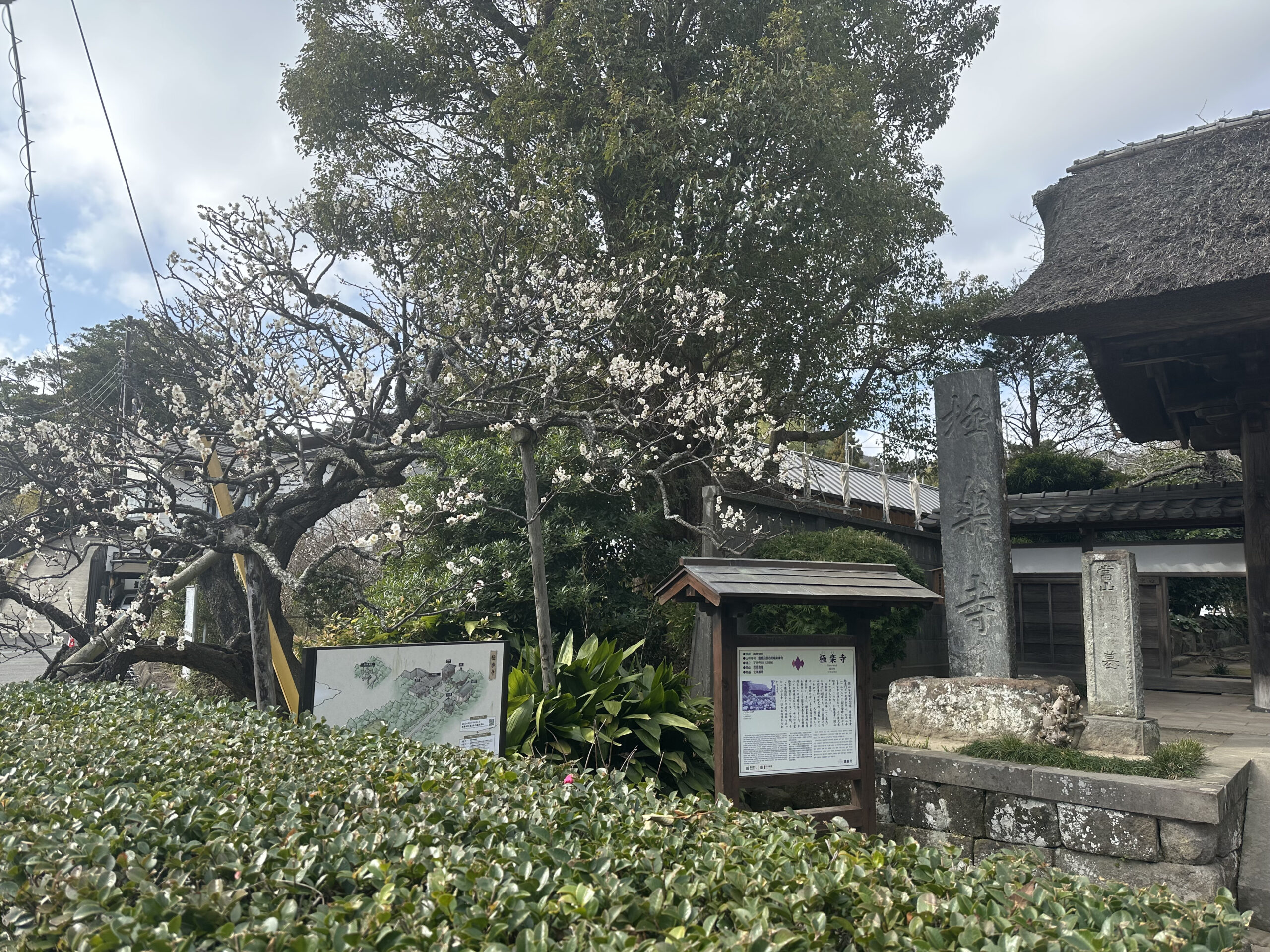
- White plum near the temple gate: Its moss-covered trunk adds a historic charm.
- Plum trees along the path to the cave of Nichiro Shonin: The aged trees exude an air of dignity.
The Unique Charm of Kosokuji
Many of Kosokuji’s plum trees are ancient, exuding an aura of both elegance and strength. Among them, the “Omoinomama” variety is particularly special, as it produces both red and white blossoms on a single tree, offering a unique spectacle that changes each year.
Additionally, while Hasedera Temple tends to be crowded, Kosokuji remains a tranquil spot for plum viewing. The intimate setting and peaceful atmosphere make it an ideal place for those who wish to appreciate the beauty of plums and wintersweet at a relaxed pace.
Conclusion
Kosokuji’s plum blossoms offer a rare combination of ancient charm and seasonal beauty. Visit this hidden sanctuary to experience the harmony of history and nature, and enjoy the serene splendor of the blooming plums.
Toshi’s Evaluation (2026)
| Evaluation Category | Score | Reason |
|---|---|---|
| Scenery | 8 | The quiet valley setting features scattered ancient white and red plum trees, as well as wax plum blossoms that harmonize beautifully with the temple buildings and historic sites such as the Nichiren Buddhist temple’s main hall and the old prison site. However, the number and volume of plum trees are modest compared to major plum spots, and bloom conditions can vary by year. |
| Accessibility | 9 | Located about a 7–8 minute walk from Enoden’s Hase Station (長谷駅), and close to popular spots like Hasedera Temple (長谷寺) and the Great Buddha of Kamakura (高徳院). The temple is situated in a well-trafficked area with clear directions, but it’s not within a 5-minute walk of the nearest station, so one point is deducted. |
| Historical Value | 9 | Founded in the 13th century, this Nichiren sect temple is historically significant for housing the old prison site where Nichiro, a disciple of Nichiren, was held. It holds high value in both Nichiren and Kamakura history, though it is less well known nationwide than top-tier temples. |
| Comfort | 8 | Less crowded than places like Hasedera (長谷寺) or the Great Buddha, it offers a quieter plum-viewing experience even in peak season. The entry fee is low and the environment is calm. However, there are steps, narrow paths, and fewer rest facilities compared to larger temples. |
| Reviews | 5 | Average ratings on review sites place it in the mid-range. While appreciated as a flower temple, it has not attracted broad acclaim or a strong reputation as a must-see destination, leading to a moderate score. |
Total Score: 39
Overall Evaluation
With its quiet valley setting, historical ties to Nichiren Buddhism, and a subdued atmosphere enhanced by plum and wax plum blossoms, this temple is well suited for visitors looking to enjoy a peaceful plum-viewing spot away from the crowds in the Hase area. While not widely praised in reviews, it appeals to those wanting to pair major sightseeing spots like Hasedera (長谷寺) or the Great Buddha (高徳院) with a more low-key, contemplative temple visit.