Plum Blossoms at Kaizoji Temple (海蔵寺)
The Beauty of Plum Blossoms at Kaizoji
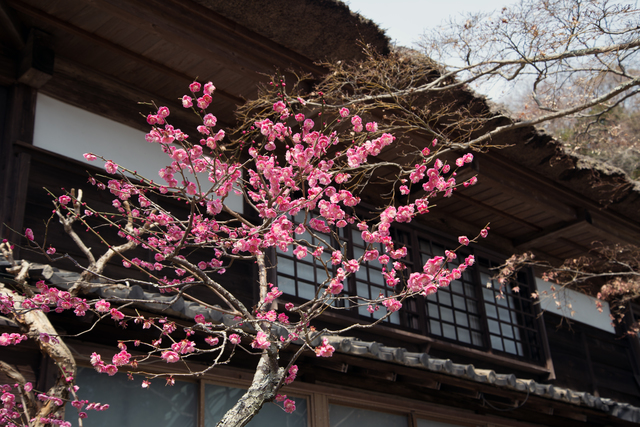
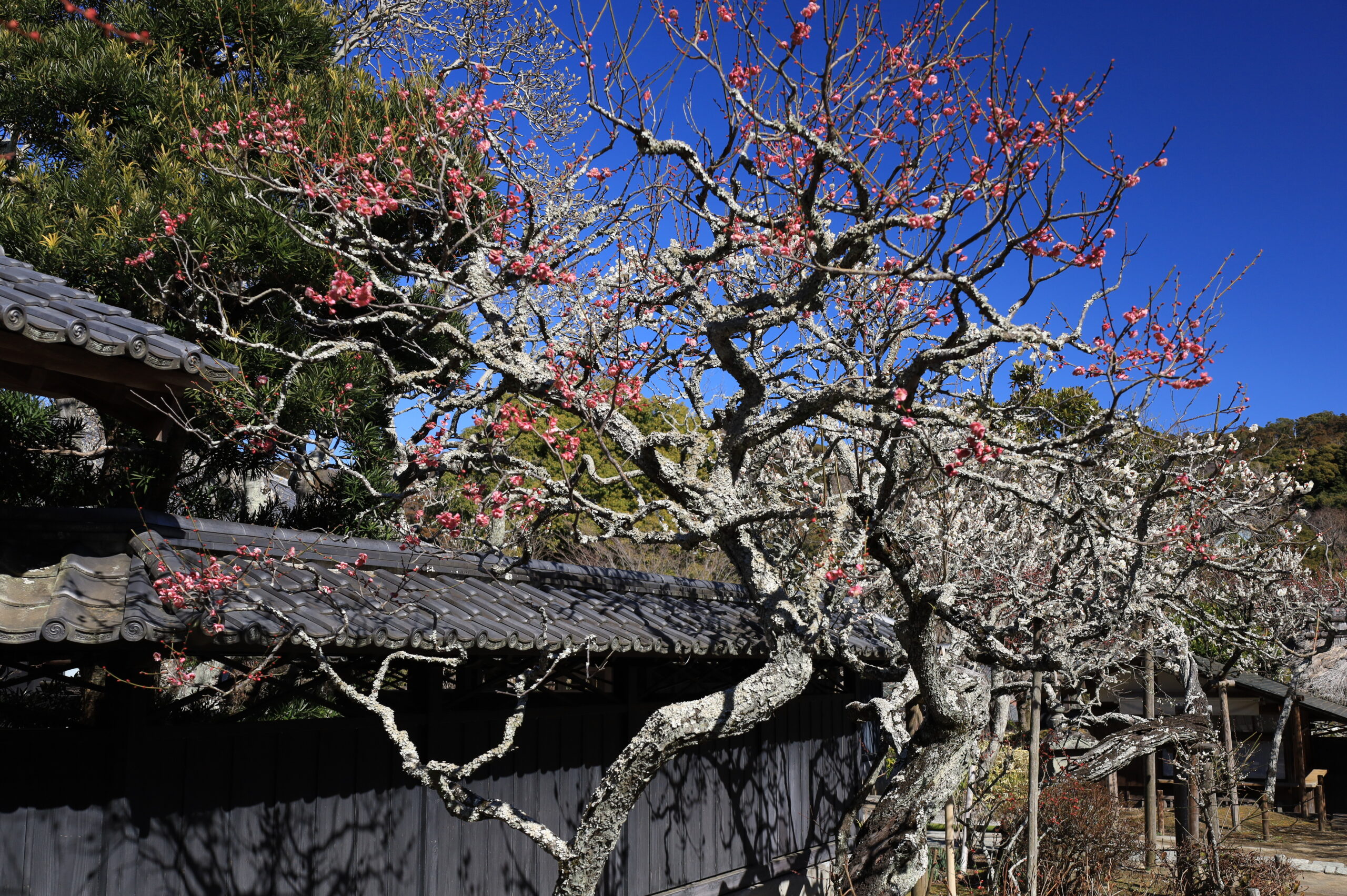
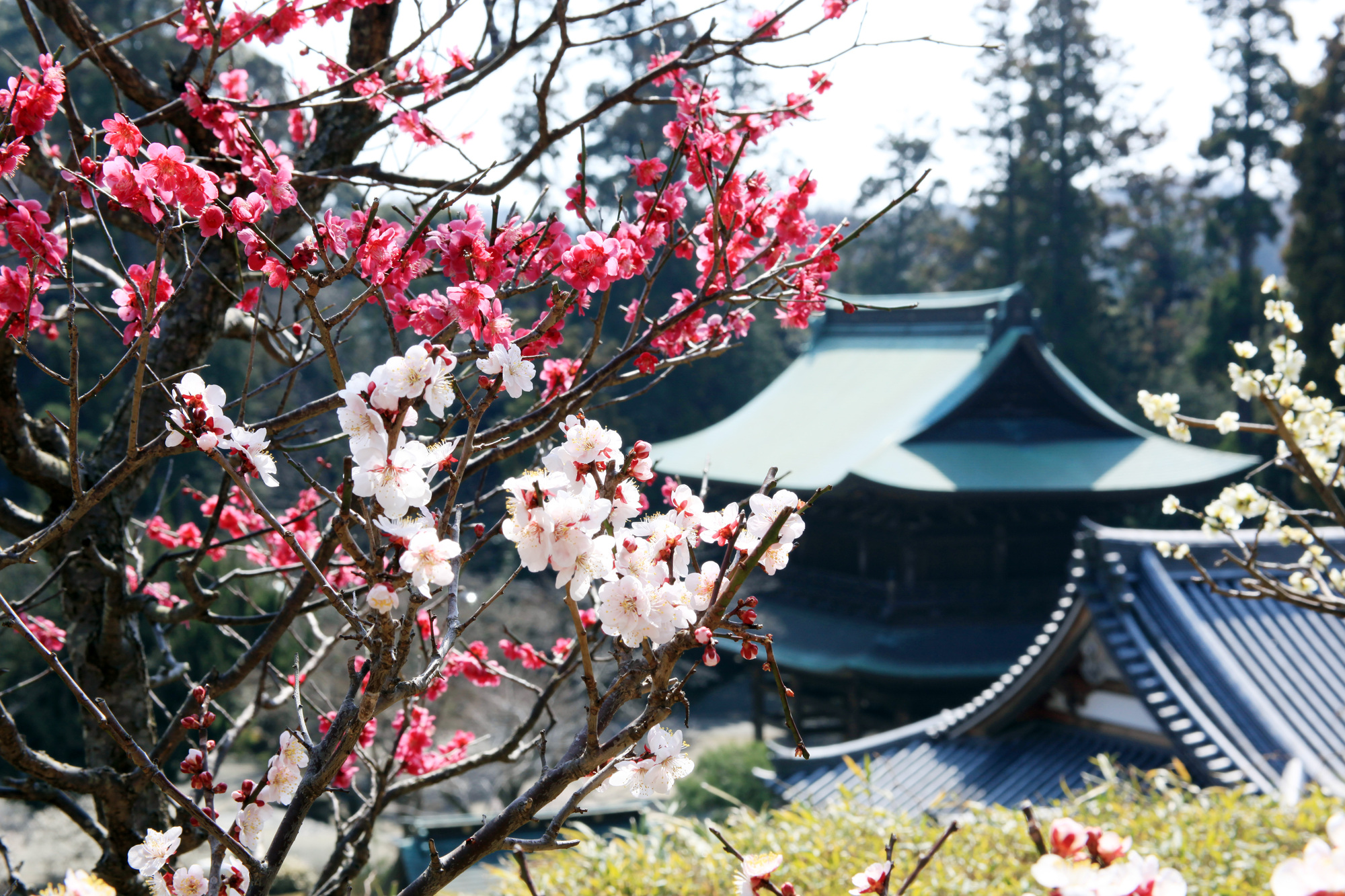
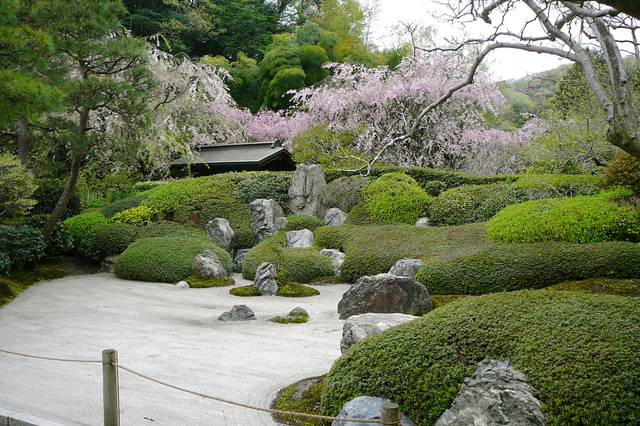
Kaizoji Temple is a beautiful temple nestled in the quiet valley of Ogigayatsu. In early spring, red and white plum blossoms, along with weeping plum trees, bloom in full splendor, offering visitors a serene and peaceful experience. The weeping plums, in particular, reach their peak from late February to early March, harmonizing beautifully with the main hall and bell tower.
History and Background
Kaizoji Temple is located in Ogigayatsu, Kamakura City, a quiet valley surrounded by the natural beauty of Genjiyama. The lush environment enhances the beauty of the plums and provides a calming retreat for visitors.
Best Season to Visit and Highlights
- Late January to Mid-February: White plums begin to bloom, adding color to the winter temple grounds.
- Mid-February to Early March: Red and scarlet plums reach full bloom, creating a vibrant landscape.
- Late February to Early March: The weeping plums are at their peak, blending beautifully with the main hall and bell tower.
- Early February: Fukujuso (Adonis flowers) start blooming, marking the arrival of early spring alongside the plum blossoms.
The temple grounds feature over five varieties of plum trees, including Nobai (wild plums), Aojiku (green-stem plums), red plums, scarlet plums, and weeping plums. Since each type blooms at a slightly different time, visitors can enjoy plum blossoms over an extended period. Japanese white-eyes flitting among the blossoms and the distant call of bush warblers gently announce the arrival of spring.
Historic Architecture and Plum Harmony
Kaizoji Temple is renowned for its stunning combination of architecture and gardens. The weeping plum in front of the main hall has gracefully curved branches laden with delicate blossoms, creating an enchanting view. The bell tower, another highlight, is complemented by a magnificent weeping plum, offering a picturesque scene where history and nature intertwine.
The weeping plum near the temple gate is another captivating sight, making it a popular photography spot. Every angle of the temple presents a painting-like landscape, leaving a lasting impression on visitors.
Conclusion
Kaizoji Temple is a must-visit destination for an early spring trip to Kamakura. The harmony of plum blossoms with nature and historic architecture creates a breathtaking scene, allowing visitors to fully appreciate the beauty of Japan’s seasonal changes.
Toshi’s Evaluation (2026)
| Evaluation Category | Score | Reason |
|---|---|---|
| Scenery | 9 | Located in the quiet valley of Ogigayatsu (扇ガ谷), the temple features beautifully maintained gardens where weeping plums and red and white plum blossoms around the main hall and Yakushi-do Hall blend harmoniously with the surroundings. It fully lives up to its nickname as a “flower temple,” offering a refined early spring atmosphere. |
| Accessibility | 5 | About a 17–20 minute walk from JR Kamakura Station (鎌倉駅) West Exit, with additional walking required from the nearest bus stop. For visitors unaccustomed to walking, access may be inconvenient. |
| Historical Value | 7 | Known as both a “temple of water” and “temple of flowers,” it has historic elements like wells and traditional temple buildings. However, its national recognition is lower than that of Kamakura’s major temples and shrines. |
| Comfort | 9 | Situated deep in Ogigayatsu, the temple is relatively quiet even during plum season. The grounds are well maintained, creating a calm and pleasant viewing environment. |
| Reviews | 7 | Visitors often praise the floral beauty and tranquility, but some point out limited accessibility and challenges related to barrier-free access, keeping it from reaching top-tier ratings. |
Total Score: 37
Overall Evaluation
Kaizoji Temple’s (海蔵寺) plum blossoms, especially the weeping varieties, are beautifully integrated into the serene valley landscape, making it a quintessential early spring destination. While the access may be a hurdle for some, it’s a highly rewarding spot for visitors who value peaceful settings and traditional Japanese seasonal scenery.