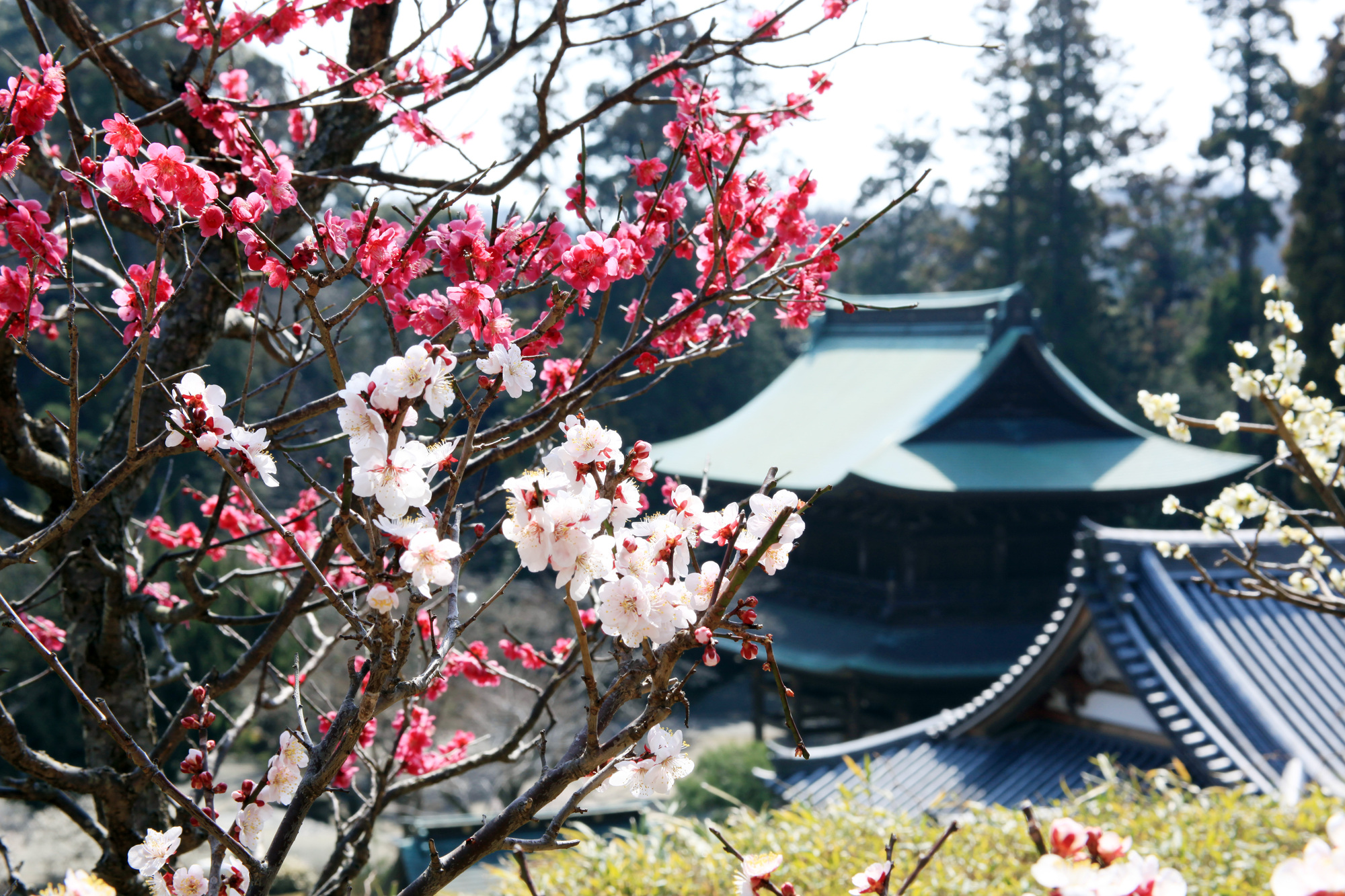
Plum Blossoms at Kenchoji (建長寺)
The Beauty of Plum Blossoms at Kenchoji
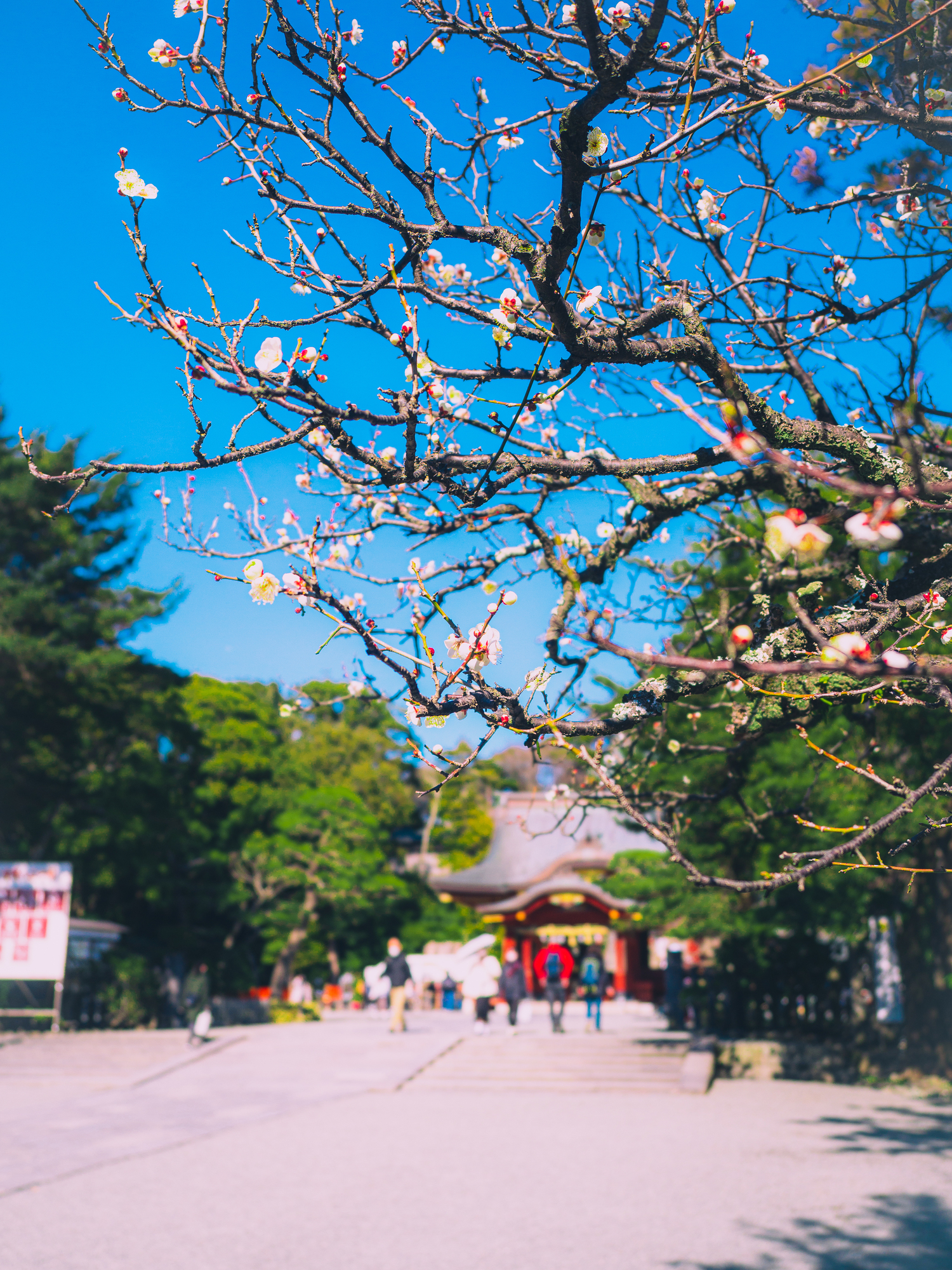
Kenchoji Temple is a renowned plum blossom viewing spot where different areas of the expansive grounds reach peak bloom at different times, allowing visitors to enjoy the flowers for an extended period. Each sub-temple features unique plum varieties and scenic views, creating a tranquil atmosphere where visitors can appreciate the beauty of the blossoms at a leisurely pace.
History and Background
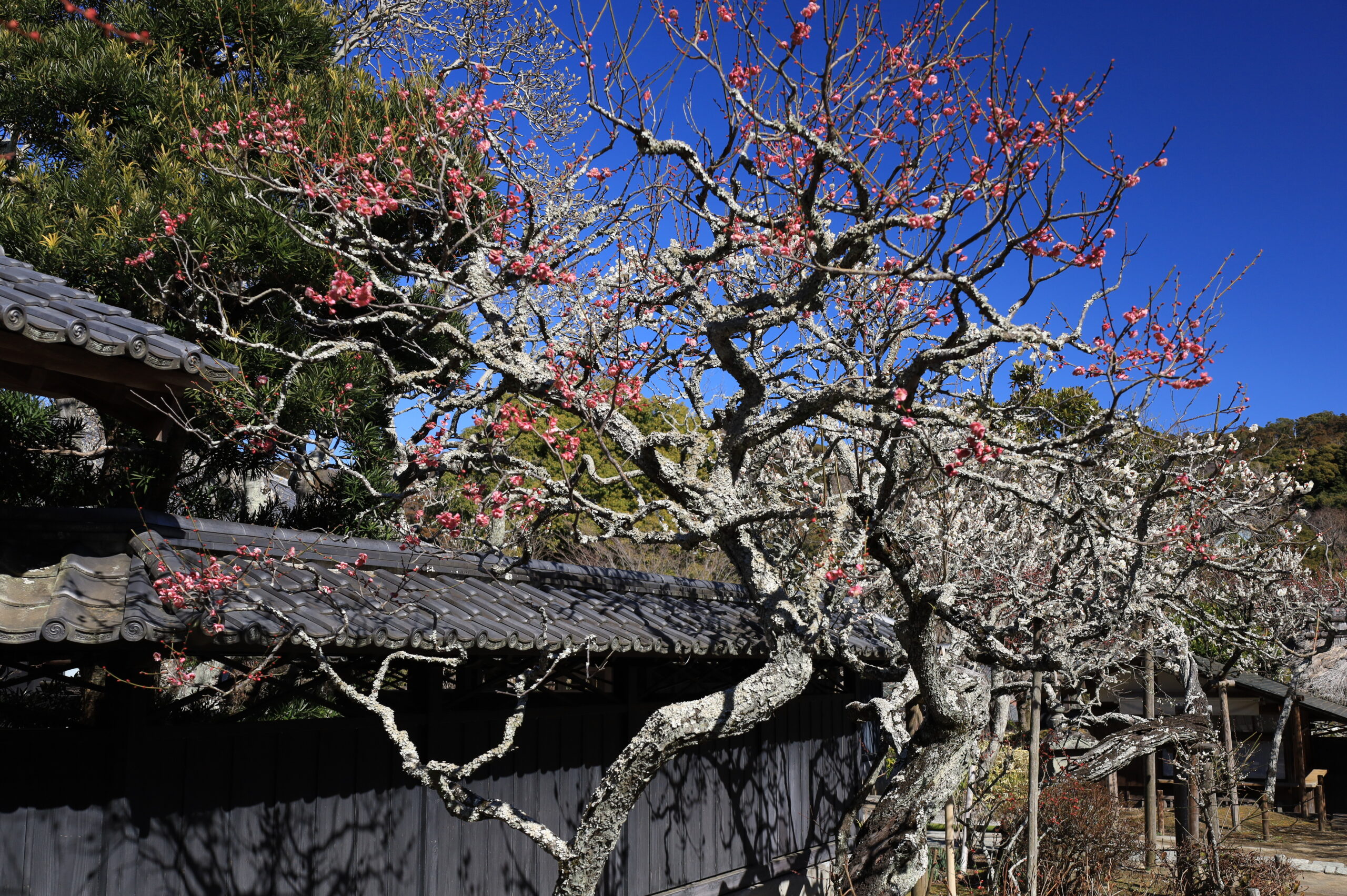
Kenchoji (建長寺) was founded in the mid-13th century by Hojo Tokiyori as the head temple of the Rinzai sect and holds the highest rank among the Five Great Zen Temples of Kamakura. Plum trees are scattered throughout the vast temple grounds, blooming in sequence from mid-February to mid-March, with red and white plums reaching their peak. Deeper into the temple grounds, plums from early to mid-March are particularly stunning, offering visitors different seasonal charms depending on the timing of their visit.
Best Season to Visit and Highlights
- Mid-February to Mid-March: Red and white plums bloom in succession, allowing for long-term enjoyment.
- Early to Mid-March: The inner temple grounds showcase especially beautiful plum blossoms in full bloom.
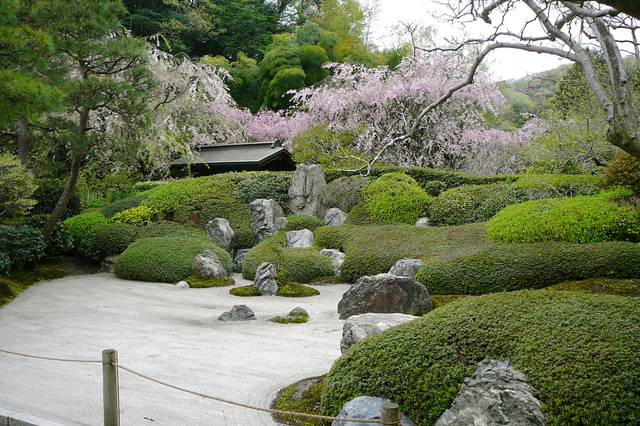
- Unique Plum Landscapes at Each Sub-Temple: Various plum species bloom in different areas, creating diverse and picturesque scenery.
The Unique Charm of Kenchoji
The plum blossoms at each sub-temple exhibit distinct characteristics, contributing to the profound and serene atmosphere unique to Kenchoji. Additionally, compared to Engakuji or Tokeiji, Kenchoji tends to be less crowded, making it an ideal destination for those who prefer to admire the plums in a quiet setting.
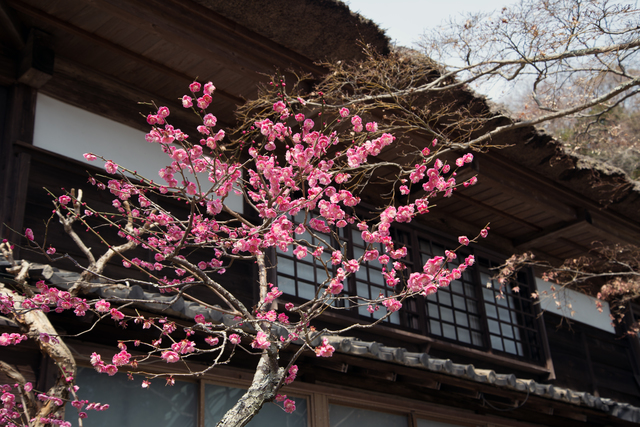
One of the highlights is the harmony between the blooming plums and the historical architecture of Kenchoji. As visitors explore the sub-temples, they can experience a variety of plum species and immerse themselves in their delicate fragrance.
Conclusion
When visiting Kenchoji during plum blossom season, take your time strolling through the temple grounds and admiring the different plum varieties at each sub-temple. Experience a serene moment where Kamakura’s rich history and nature blend seamlessly into the tranquility of spring.
Toshi’s Evaluation (2026)
| Evaluation Category | Score | Reason |
|---|---|---|
| Scenery | 9 | The dignified temple buildings of Kamakura’s top-ranked Zen temple (Kamakura Gozan No.1) harmonize beautifully with scattered red and white plum blossoms across its spacious grounds. The peaceful Zen atmosphere enhances the experience. While highly photogenic, the volume of plum blossoms alone is not overwhelming, hence one point deducted. |
| Accessibility | 7 | About a 15-minute walk from JR Kita-Kamakura Station (北鎌倉駅), or a 10-minute bus ride from Kamakura Station (鎌倉駅) followed by a short walk. Though there are multiple routes, the walking distance puts it in the “slightly inconvenient” category, earning an upper-middle score. |
| Historical Value | 10 | Founded in the 13th century by Hojo Tokiyori, Kenchoji Temple (建長寺) is the head temple of the Kenchoji school of the Rinzai sect and ranks first among the Five Great Zen Temples of Kamakura (鎌倉五山). Its plum blossoms are appreciated within a setting of immense historical significance—thus, a perfect score. |
| Comfort | 8 | The large temple grounds allow for smooth visitor flow, and basic facilities such as restrooms are well maintained. Even during plum season, it tends to be less crowded than other major temples, though a certain level of foot traffic is still expected, resulting in a slight point deduction. |
| Reviews | 7 | Average ratings on major review sites are generally high, but based on overall scoring criteria, it falls into the upper-middle tier. Factoring in satisfaction with the plums and temple grounds, it is rated at 7. |
Total Score: 41
Overall Evaluation
The plum blossoms at Kenchoji Temple (建長寺) are best appreciated by those seeking historical depth and a calm, authentic Zen atmosphere rather than spectacle. The plum trees scattered across the solemn temple grounds contribute to a refined experience. Although access involves some walking, travelers who value cultural richness and meaningful experiences will find it a rewarding destination.