Features
Features
10 Best Autumn Foliage Spots in Kamakura
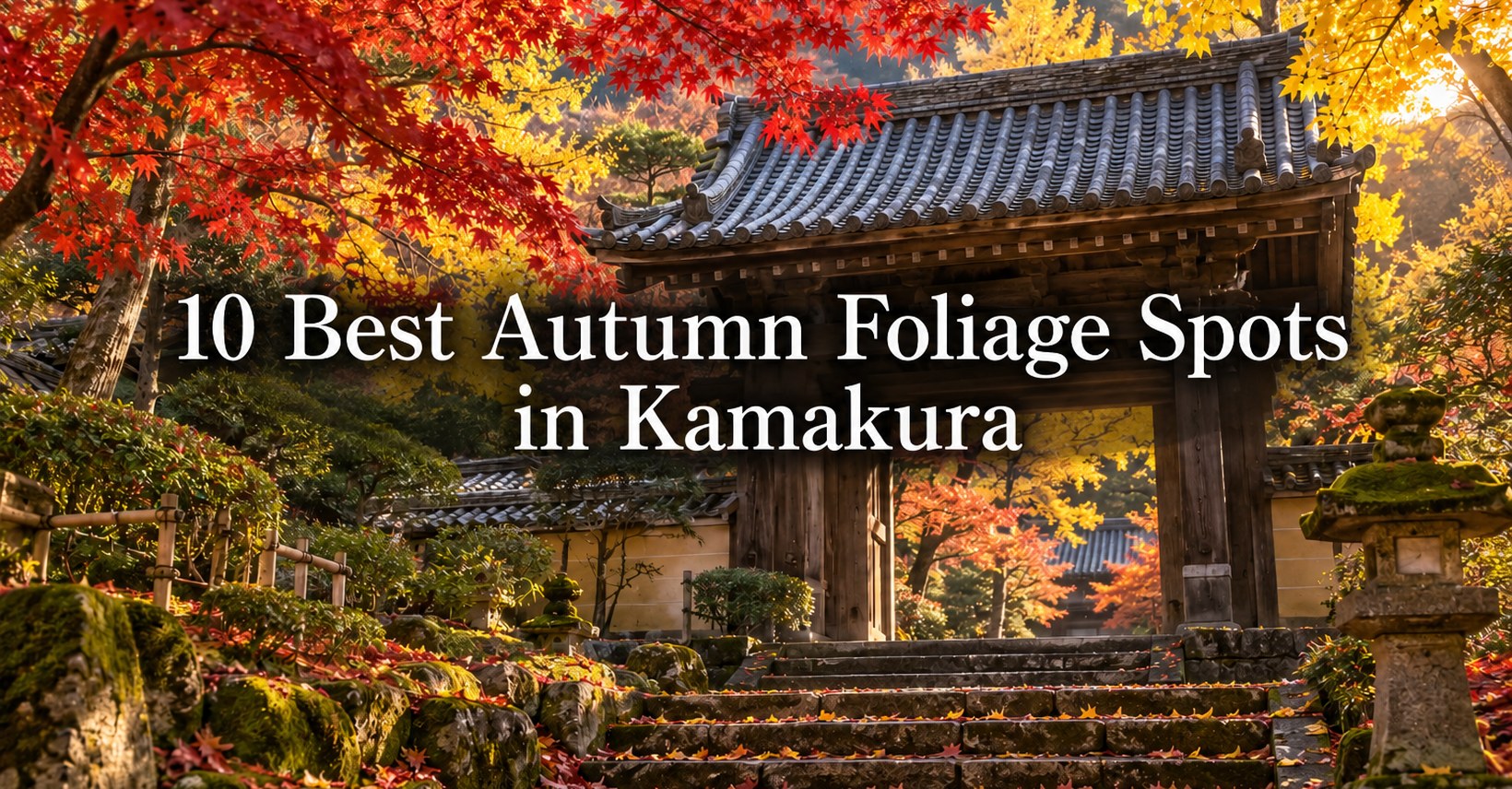
Ancient temples wrapped in red and gold — discover the timeless beauty of Kamakura’s autumn colors.
Kamakura Autumn Spots

- Fall Colors at Hasedera Temple (長谷寺)
- Fall Colors at Engaku-ji (円覚寺)
- Fall Colors at Ichijo Ekan Sanso (一条恵観山荘)
- Fall Colors at Tsurugaoka Hachimangu (鶴岡八幡宮)
- Fall Colors at Kakuen-ji Temple (覚園寺)
- Fall Colors at Myohon-ji Temple (妙本寺)
- Fall Colors at Kencho-ji Temple (建長寺)
- Fall Colors at Jomyoji Temple (浄妙寺)
- Fall Colors at Kotoku-in (鎌倉大仏)
- Fall Colors at Meigetsu-in Temple (明月院)
Autumn Foliage in Kamakura
When autumn arrives, Kamakura transforms into a landscape painted in warm hues of red and yellow. Historic temples, quiet mountain paths, and serene gardens glow under the gentle autumn sun. In this article, we introduce 10 carefully selected spots where you can enjoy the most beautiful autumn scenery in Kamakura — from famous temples like Hasedera and Engakuji to peaceful hidden gems like Kakuonji and Myohonji. Each location includes highlights, best viewing times, and nearby attractions. Whether you’re taking a day trip or planning a leisurely stroll, this guide helps you rediscover the charm of Kamakura through the calm and beauty of the fall season.
10 Spots to Experience the Best of Autumn in Kamakura
Autumn Leaves at Night in 2026
During the autumn leaf season, special night viewings let you walk among illuminated autumn leaves. Here are two held in 2026.
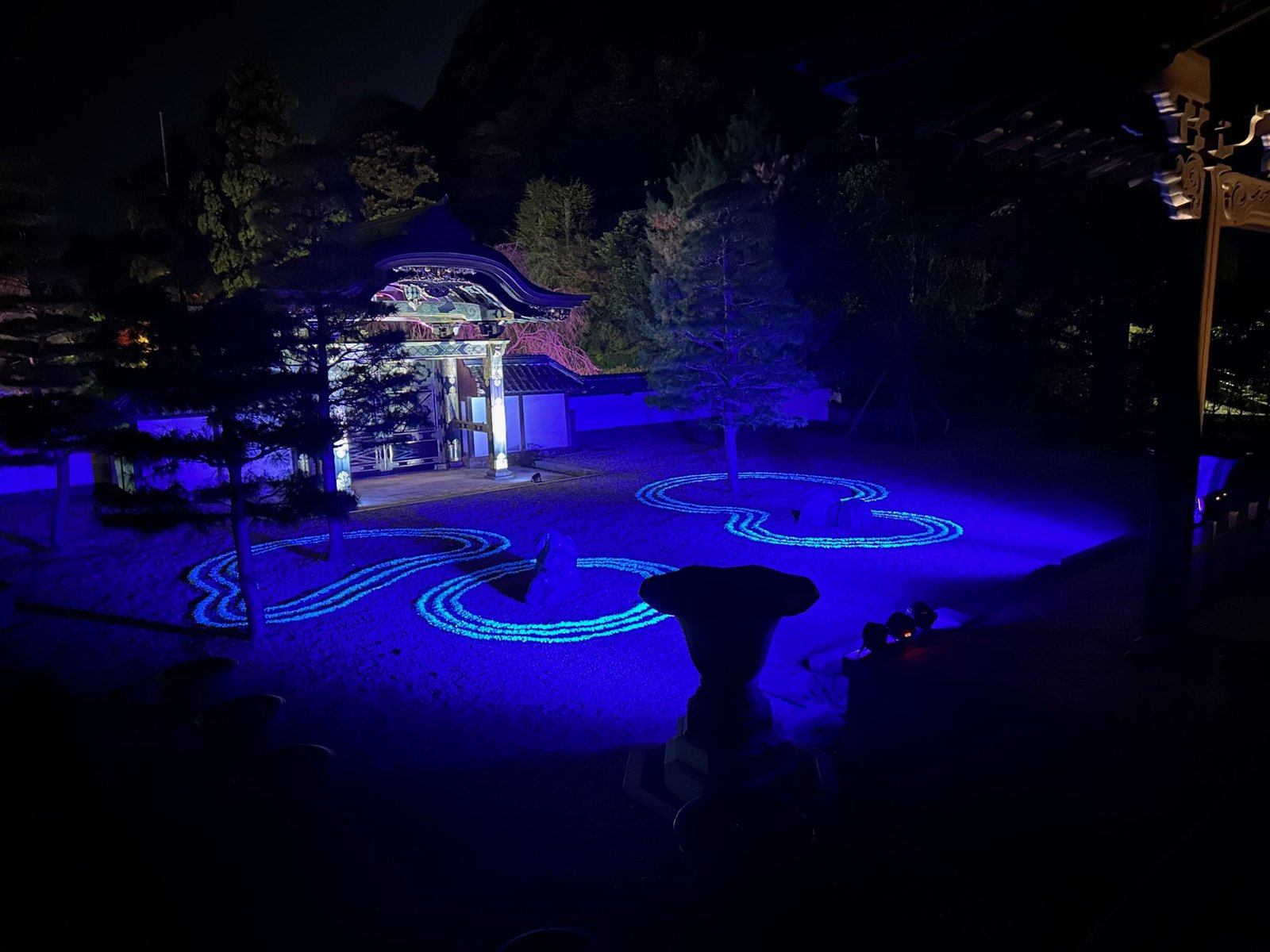
ZEN NIGHT KAMAKURA
at Kenchoji Temple
Thu, Oct 29 – Sun, Dec 6, 2026
5:00–8:00 p.m. (last entry 7:30 p.m.)
A ticketed night viewing at Kenchoji Temple in Kita-Kamakura. Walk the illuminated grounds with music and the sound of insects, and see a misty sea of clouds in the Hojo garden and the Karamon garden lit with patterns of light. New in 2026 is the “Koyo Yomichi,” a lit mountain path.
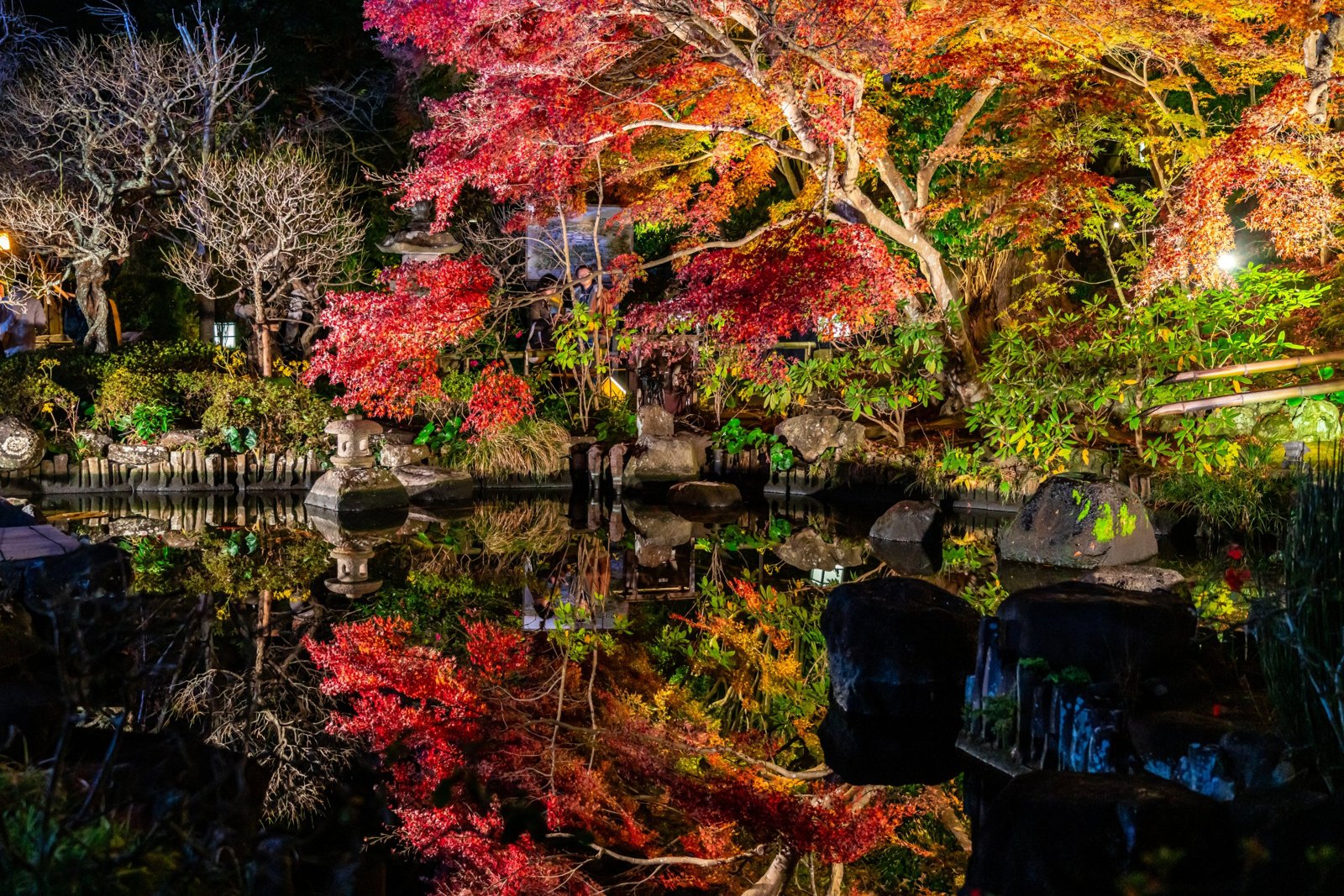
Hasedera Temple
Autumn Night Viewing
Sat, Nov 21 – Sun, Dec 6, 2026
Sunset – 7:00 p.m. (lights on around 4:30 p.m.)
An annual light-up held in the autumn leaf season. Lights come on before dark, and you can enjoy leaves reflected in the Hojo-ike pond and the Kannon Hall lit in blue into the evening. Admission is 400 yen for adults, the same as by day. The car park closes at 4:30 p.m., so come by train.
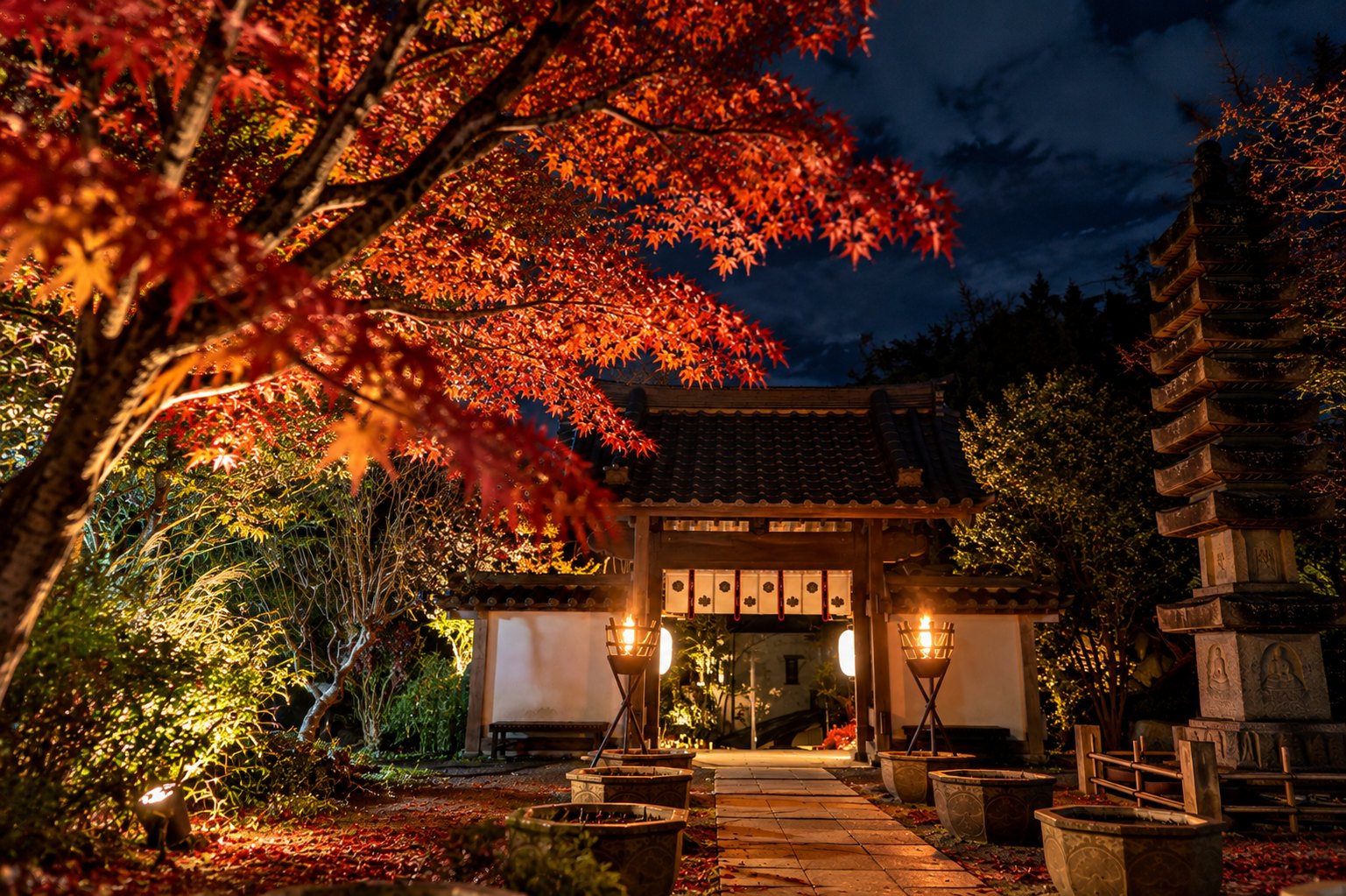
Kakuonji Temple Special Autumn Leaf Visit
Wed, Nov 25 – Thu, Dec 10, 2026
9:00 a.m. – 7:00 p.m. (last entry 6:40 p.m.)
A special visit held in the autumn leaf season, with visiting hours extended into the evening and a light-up at dusk. Highlights are the main gate lit by bonfire lanterns and the maples glowing in fire-like light. Admission is 500 yen for adults, and no photos are allowed beyond the reception desk.
Fall Colors at Hasedera Temple (長谷寺)
The Garden of Prayer Illuminated by Light and Shadow on Autumn Nights
Best viewing: Late November to early December
The autumn foliage at Hase-dera Temple (長谷寺) is a symbol of Kamakura (鎌倉) in autumn, woven together by history and nature. The best season usually arrives from late November to early December, and the especially enchanting “Autumn Foliage Illumination” features maple leaves mirrored in the ponds, while the Kannon Hall and bamboo grove are wrapped in a mysterious glow. The harmony of gardens dyed in crimson and gold with historic architecture, combined with the special nighttime visit in tranquil silence, offers an extraordinary experience. Seasonal flowers and the popular “Good-Fortune Jizo” statues add extra charm, making this temple a beloved destination for enjoying autumn with all five senses.
Night viewing: usually late November to early December (Nov 21 – Dec 6 in 2026)
→ Hasedera Temple Autumn Night Viewing: Autumn Leaf Light-Up
Fall Colors at Engaku-ji (円覚寺)
Walking Through Zen in Autumn, Where Stillness Meets Color
Best viewing: mid-November to early December
At Engaku-ji Temple(円覚寺)—a hallmark of Kitakamakura(北鎌倉)—the grounds glow in gold and vermilion during the foliage season, creating a breathtaking harmony with its historic temple complex. Reflections of leaves in Myoko Pond(妙香池) and the colors embracing the Sanmon Gate(三門), Butsuden Hall(仏殿), and Shariden Hall(舎利殿) imbue the ancient capital with quiet, soulful beauty. Known for its early-turning leaves, Engaku-ji Temple is cherished as one of the first places in Kitakamakura to announce the arrival of autumn. Savoring matcha at the teahouse while viewing the leaves is a serene way to experience a Zen-like autumn.
Fall Colors at Ichijo Ekan Sanso (一条恵観山荘)
Elegant Autumn Colors of Kyoto Reflected in Kamakura
Best viewing: Late November to early December
Ichijo Ekan Sanso (一条恵観山荘) is a nationally designated Important Cultural Property that conveys the refined court culture of Kyoto, even though it stands in Kamakura. It is one of the most elegant spots to experience Kyoto’s “Miyabi” aesthetic during the autumn foliage season. From late November to early December, the garden transforms as maple trees turn vivid shades of red, orange, and yellow. The harmony between the Sukiya-style villa and the colorful leaves creates a breathtaking scene, as if stepping into a classical picture scroll. Highlights include the “framed view” of maple leaves seen through circular windows and gates, the “floor maple” reflections on polished floors, and the maple-lined paths along the stream—perfect for photography. At the riverside teahouse Kyoto Niohmon Kamakura Bettei (京都仁王門 鎌倉別庭), you can enjoy matcha and seasonal sweets while admiring the autumn scenery, offering a serene and elegant moment of Kyoto-style beauty.
Fall Colors at Tsurugaoka Hachimangu (鶴岡八幡宮)
A Tranquil Autumn Awash in Color and Legend
A Tranquil Autumn Awash in Color and Legend
Best time to visit: Late November to early December
At Tsurugaoka Hachimangu Shrine (鶴岡八幡宮), a historical symbol of Kamakura, the grounds come alive in autumn as maples and ginkgo trees paint the landscape with brilliant reds and yellows. Especially around Yanagihara Shinchi Pond (柳原神池) and Genji Pond (源氏池), the reflection of the autumn foliage on the water creates a magical scene. The “Parent and Child Ginkgo” (親子銀杏), reborn from a fallen thousand-year-old tree, tells a timeless story of life’s resilience that deeply moves visitors. Despite being located in the bustling city of Kamakura, the shrine offers a peaceful setting for enjoying autumn colors, especially in the calm of early morning or evening.
Fall Colors at Kakuen-ji Temple (覚園寺)
Autumn Leaves of Prayer in the Tranquil Valley
Best viewing period: Late November to mid-December
Kakuen-ji Temple (覚園寺), nestled deep in Nikaido (二階堂) in Kamakura (鎌倉), is one of Kamakura’s most serene and mystical places, where autumn leaves and silence intertwine beautifully. Around the Yakushi-do Hall (薬師堂), the temple grounds are filled with maples and ginkgo trees that create a mesmerizing harmony of red, yellow, and green hues. As autumn deepens, the entire valley glows with light. In the viewing area where photography is prohibited, visitors are invited to experience the autumn colors through their senses rather than a camera lens—a moment of stillness and reflection. The thatched-roof Yakushi-do Hall, the golden Metasequoia leaves, and the night maples illuminated by lantern light together evoke a timeless beauty. Among Kamakura’s many temples, Kakuen-ji offers a truly special place to feel the “autumn leaves of prayer” that resonate deep within the heart.
Fall Colors at Myohon-ji Temple (妙本寺)
A Sanctuary of Serenity and Color Concluding Kamakura’s Autumn
Hikigaya (比企谷), Kamakura (鎌倉), is known as the last spot in Kamakura where the autumn foliage reaches its peak. From early to mid-December, vivid maples and ginkgo trees color the grounds against the backdrop of the vermilion Niten-mon Gate (二天門) and the grand Soshi-do Hall (祖師堂), creating a splendid scene that gracefully concludes Kamakura’s late autumn. Within the precincts where red and gold overlap, fallen leaves dance across moss-covered stone steps and around the belfry (鐘楼), exuding a serene beauty unique to an ancient temple. Enjoying the foliage alongside historic landmarks offers a gentle, reflective time that deepens your experience of Kamakura’s autumn.
Fall Colors at Kencho-ji Temple (建長寺)
Crimson and Gold on the Zen Mountain – Embracing the Stillness of Autumn
Best viewing: Mid-November to late December (Peak: Late November to early December)
Kencho-ji Temple (建長寺), ranked first among the Five Great Zen Temples of Kamakura, is one of the city’s most iconic autumn foliage spots. The leaves typically reach their best color from mid-November to late December, with the most brilliant hues appearing during a 10-day period from late November to early December. Along the stone steps leading from the approach to Hansobo (半僧坊), overlapping branches form a tunnel of autumn colors. Behind the Hojo (方丈), the garden surrounding Senpeki Pond (蘸碧池) reflects the Zen spirit through its serene design, incorporating the mountain backdrop as borrowed scenery. The harmony of the vividly colored mountains and temple structures creates a truly special moment that embodies the depth of Kamakura’s autumn.
Night viewing: ZEN NIGHT KAMAKURA (Oct 29 – Dec 6 in 2026)
→ ZEN NIGHT KAMAKURA: Autumn Light-Up at Kenchoji Temple
Fall Colors atJomyoji Temple (浄妙寺)
Wrapped in a Golden Carpet: Serenity and Color at a Zen Temple
Best viewing season: Late November to early December
Jomyoji Temple (浄妙寺), the fifth of the Five Great Zen Temples of Kamakura (鎌倉), glows with quiet elegance in late autumn as red and yellow leaves compete in beauty. The grand ginkgo tree in front of the main hall shines in brilliant gold, forming a “golden carpet” together with the crimson maples—a truly stunning sight. The tranquility of the dry landscape garden and the clear tones of the suikinkutsu (水琴窟, water harp) heard from the tearoom Kisen-an (喜泉庵) invite visitors to experience the Zen spirit and the beauty of autumn with all five senses. From the hilltop Stone Oven Garden Terrace (石窯ガーデンテラス), you can also enjoy Western-style dining while gazing at the autumn leaves, offering a unique Kamakura experience where Japanese and Western aesthetics harmonize.
Fall Colors at Kotoku-in (鎌倉大仏)
The Great Buddha and Autumn Leaves: A Unique Kamakura Autumn Scene
Best viewing: Mid-November to early December
At Kotoku-in Temple (高徳院), home of the famous Great Buddha of Kamakura (鎌倉大仏), the autumn foliage offers one of Kamakura’s most iconic sights. The contrast between the serene green-bronze Buddha and the vivid red and golden maples and ginkgo trees creates a seasonal masterpiece. From late November to mid-December, fallen leaves decorate the temple grounds, framing the Buddha in a breathtaking autumn landscape. Especially in the early morning or late afternoon, soft light enhances both tranquility and solemnity, leaving visitors with an unforgettable impression. Here, cultural heritage and natural beauty merge into a distinctly Kamakura experience.
Fall Colors at Meigetsu-in Temple (明月院)
A World of Stillness and Color Beyond the Round Window
Best viewing: Mid-November to mid-December (Peak: Late November to early December)
Meigetsu-in Temple (明月院), known for its iconic “Window of Enlightenment” view, is a quiet sanctuary that represents the essence of autumn in Kita-Kamakura (北鎌倉). During the special seasonal opening of the rear garden behind the main hall, the scenery transforms into a living painting of golden ginkgo and deep crimson maple trees, captivating all who visit. The morning sunlight shining through the round window onto the autumn foliage creates a mystical beauty truly worthy of the name “Enlightenment.” Within the temple grounds, the bamboo grove, the thatched-roof Kaisan-do Hall (開山堂), and the charming rabbit statues all express the seasonal transitions and serene beauty of traditional Japan.