Features
Features
“Can This Love Be Translated?” Filming Locations
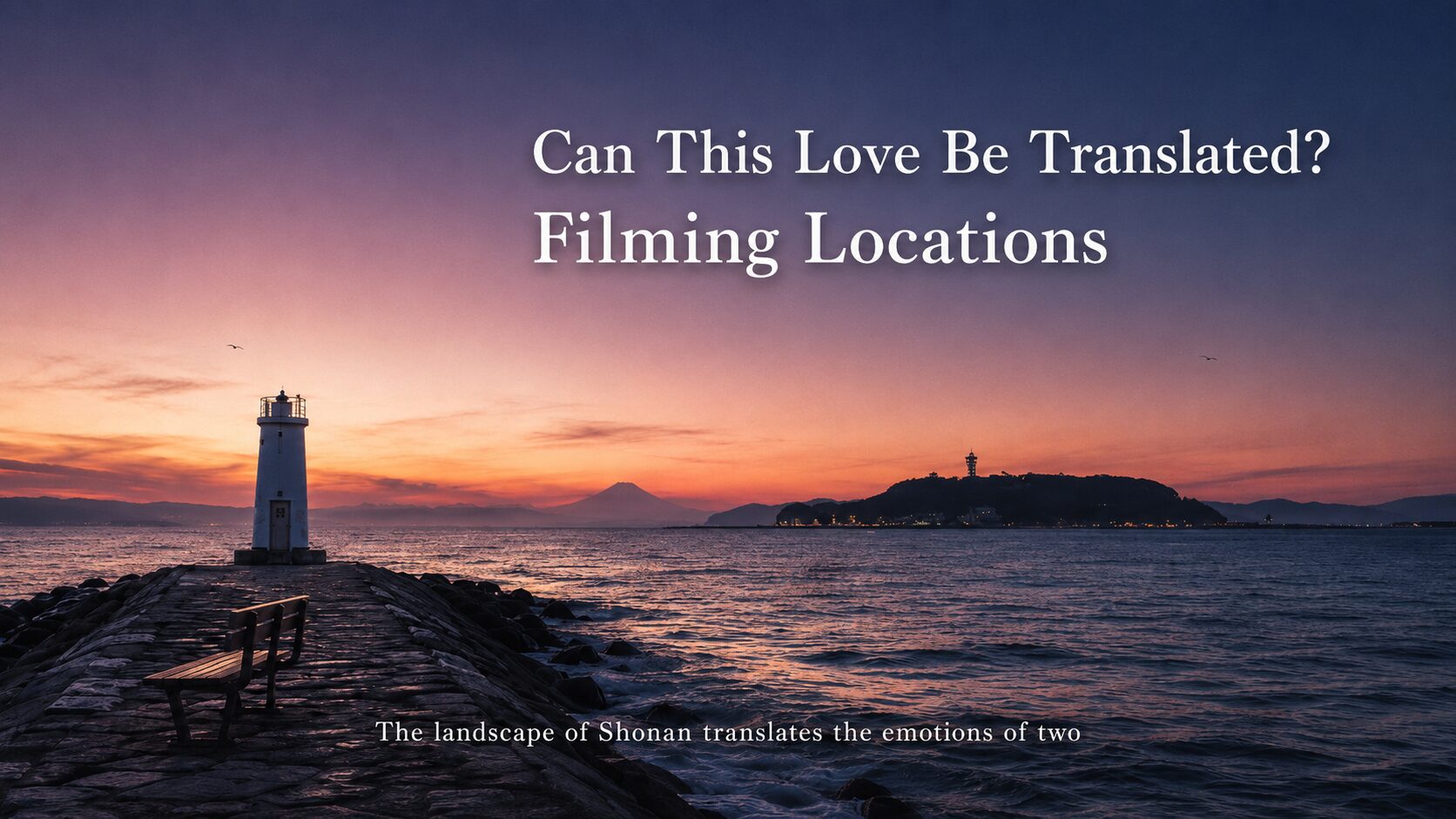
The landscape of Shonan translates emotions that words cannot.
“Can This Love Be Translated?” Filming Locations Map
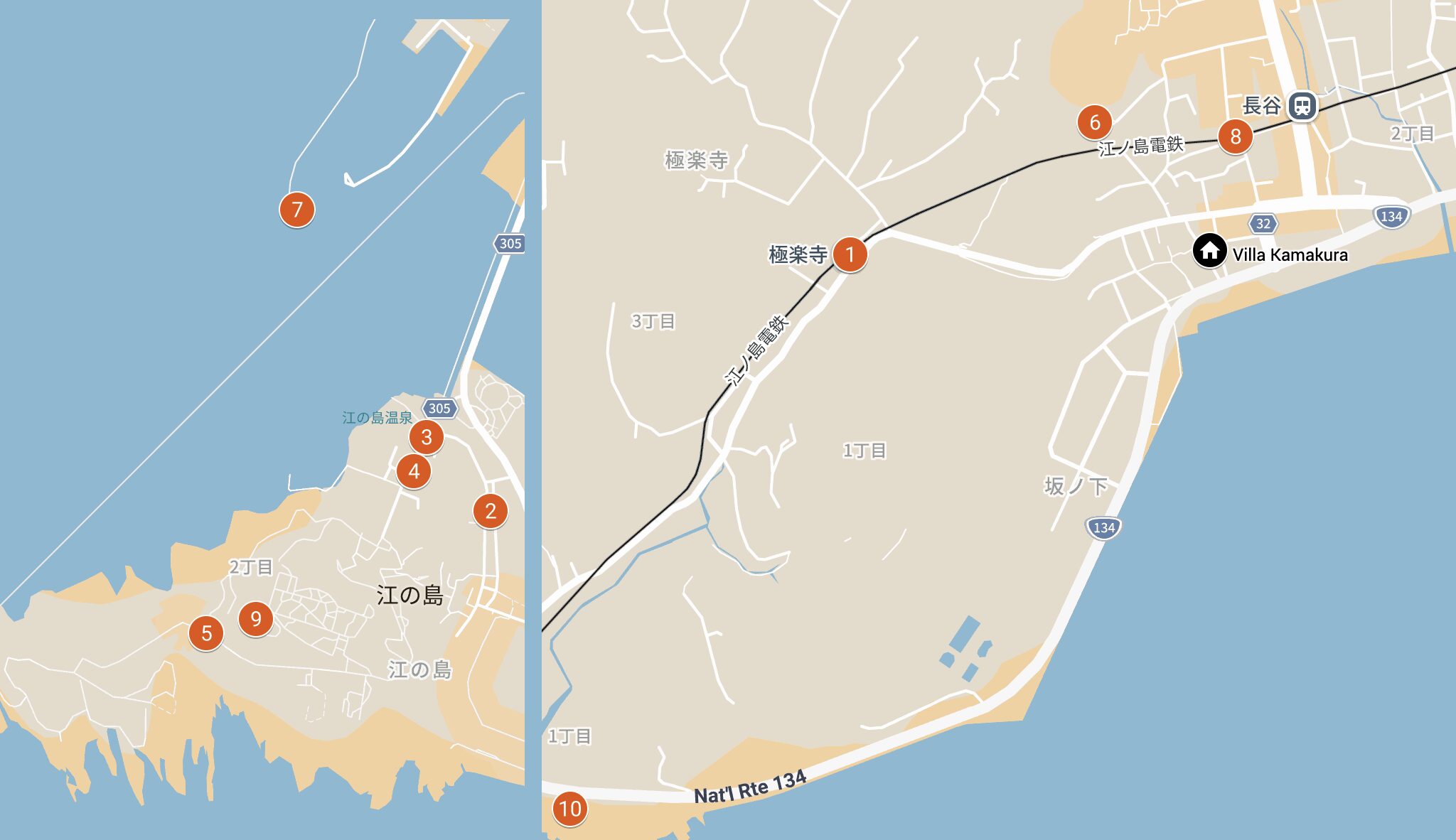
- Gokurakuji Station (極楽寺駅)
- tenzan lab. (Momochan Ramen)
- Benzaiten Nakamise Street (江の島弁財天仲見世通り)
- Enoshima Post Office Area (江の島郵便局前)
- Oiwayamichi Street (御岩屋道通り)
- Goryo Shrine (御霊神社)
- Katase Fishing Port White Lighthouse (片瀬漁港・白灯台)
- Railway Crossing near Hase Station (長谷駅近くの踏切)
- Enoshima Sea Candle (江の島シーキャンドル)
- Inamuragasaki Park (鎌倉海浜公園稲村ヶ崎地区)
Where the Story Begins: Kamakura and Enoshima
"Can This Love Be Translated?" (이 사랑 통역 되나요?) premiered on Netflix on January 16, 2026, as a 12-episode romantic comedy from the celebrated Hong Sisters (writers of "Hotel del Luna" and "Alchemy of Souls"). The series follows Joo Ho-jin (Kim Seon-ho), a polyglot interpreter fluent in six languages, and Cha Mu-hee (Go Youn-jung), a global superstar who struggles to express her own emotions. As the story travels through Canada, Italy, and Korea, the moment when the two first meet unfolds entirely in Kamakura and the island of Enoshima, just south of Tokyo. The Enoden vintage train winding through residential neighborhoods, the early-summer sea breeze of Sagami Bay, the bustle of Enoshima's pilgrimage path, the quiet of a small Shinto shrine. From Episode 1's pivotal ramen shop scene to the railway crossing, Goryo Shrine, and the white lighthouse at Katase Fishing Port, every shot is woven into the landscape of Shonan. While the drama spans the globe, the moment audiences first encounter the protagonists takes place here, in a back alley of Enoshima. This guide curates 10 filming locations across Kamakura and Fujisawa, with scene context and visitor information. Compact enough to explore in a single day on foot and by Enoden, the route reveals why this corner of Shonan was chosen as the story's starting point. Principal photography took place in late June 2025, and lead actress Go Youn-jung shared in a Korean media interview: "Railway tracks appear as a symbolic space where people pass each other and where they meet, so we visited many railway crossings." Please note: The area around Gokurakuji Station and the railway crossing near Hase Station are located within residential neighborhoods. We kindly ask visitors to be considerate of local residents when photographing.
The 10 Locations Where the Story Begins
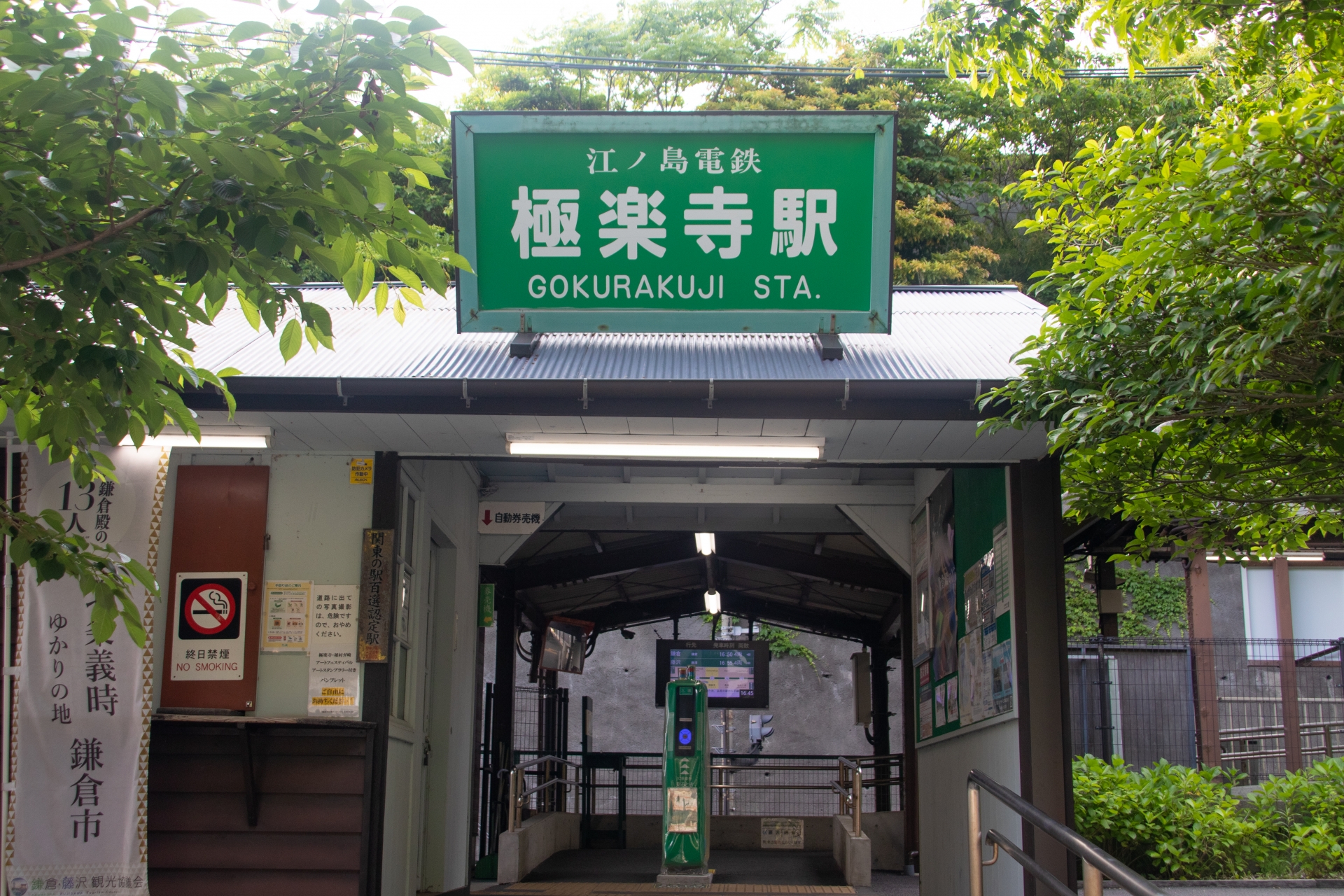
Gokurakuji Station (極楽寺駅)
A Quiet Station, A Whispered Premonition
Gokurakuji Station on the Enoshima Electric Railway appears in Episode 1 of “Can This Love Be Translated?” as the place where Ho-jin and Mu-hee silently pass each other, neither yet aware of the other’s existence. This quiet moment foreshadows the story to come. Opened in 1904, the wooden station house with its iconic red postbox and tree-shaded platform captures the gentle pace of Shonan time. Also featured in the acclaimed film “Our Little Sister” by Hirokazu Kore-eda, Gokurakuji has become a beloved pilgrimage site for cinephiles worldwide. As the station sits within a residential neighborhood, visitors are kindly asked to be mindful of photography etiquette.
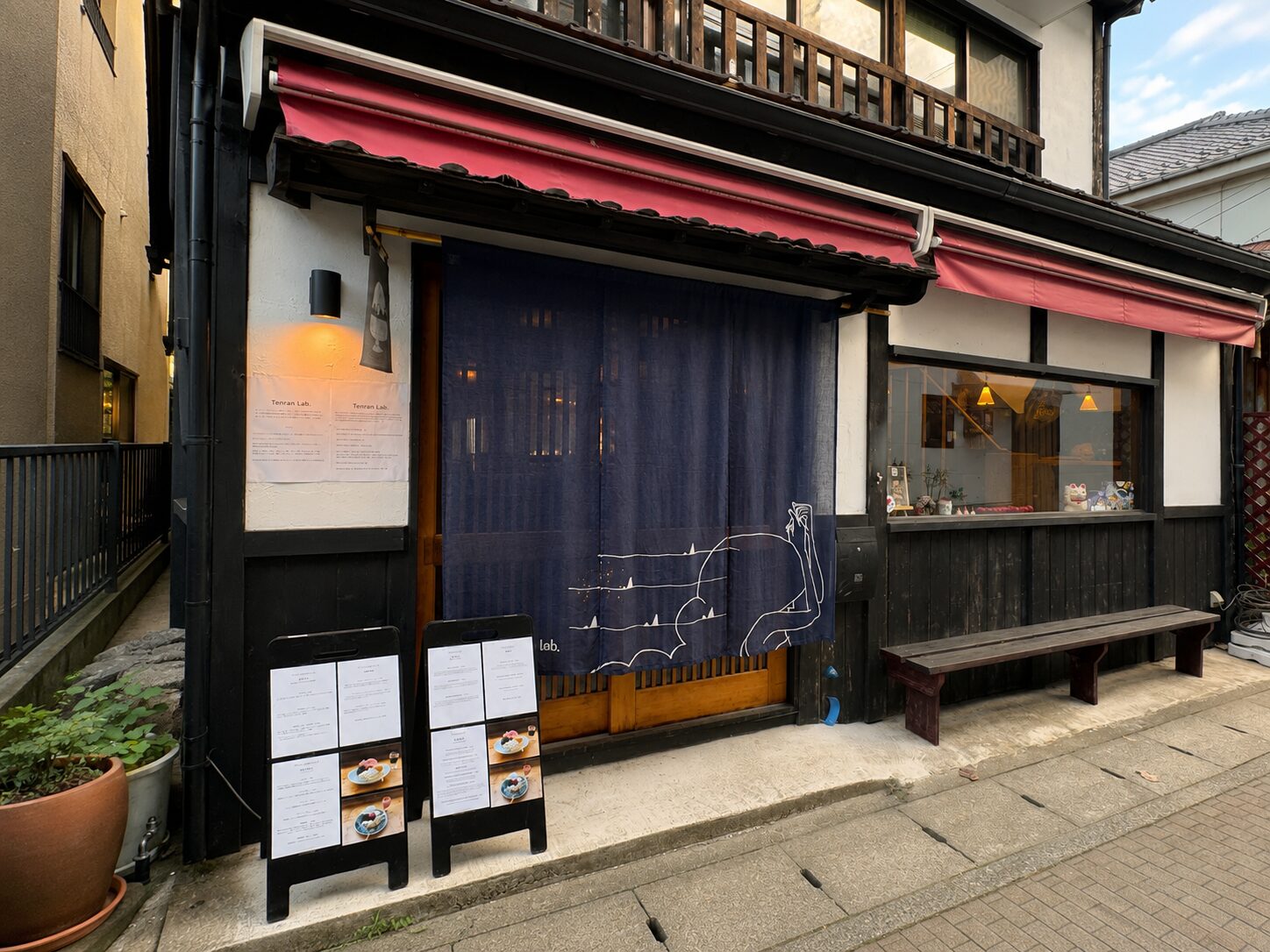
tenzan lab.
(Momochan Ramen)
Where Their Story Began: A Ramen Shop of Fate
In Episode 1, Cha Mu-hee storms into “Momochan Ramen” to confront her ex-boyfriend’s current girlfriend. Unable to speak Japanese, she stands frozen until Ho-jin, who happens to be there, steps in as her interpreter. This is the moment their story begins. The real-world location is tenzan lab., a hidden café tucked away in the alleyways of Enoshima, used in the drama as the exterior of the ramen shop. Today, it remains a quiet retreat serving Japanese sweets and shaved ice, cherished by both locals and travelers in the know.
Benzaiten Nakamise Street (江の島弁財天仲見世通り)
The Bustling Path They Walked Together
The Benzaiten Nakamise Street, the lively path from Enoshima Station to Enoshima Shrine, appears in the scenes where Ho-jin and Mu-hee explore the island together. Octopus crackers, shirasu rice bowls, souvenir shops. The shared joy of street food and small discoveries forms the backdrop as the two grow closer. Lined with historic inns dating back to the Edo period and the bronze torii of Enoshima Shrine, the path layers history within its tourist energy. It is also the first road every visitor walks when entering Enoshima.
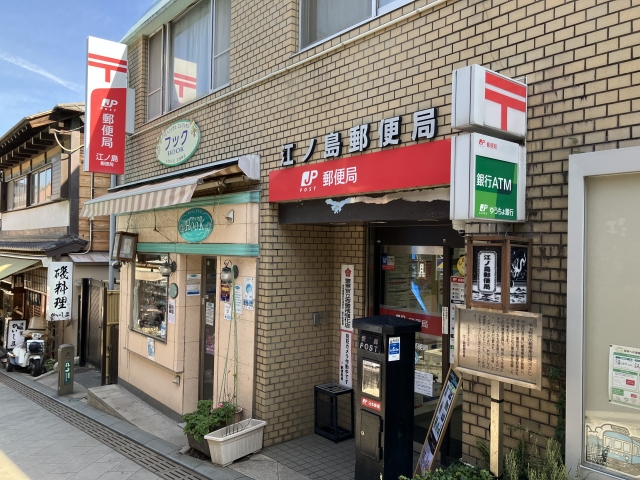
Enoshima Post Office Area (江の島郵便局前)
A Small Bag, A Quiet Trust
The Enoshima Post Office on the Benzaiten Nakamise Street appears in the background as Mu-hee waits for Ho-jin, holding his bag. Among the bustle of the souvenir alleys, this modest Japanese-style public building offers a moment of stillness, gently reflecting the trust beginning to form between them. Nestled between shops and restaurants, its tiled roof and curtain-like signage blend seamlessly into the Enoshima streetscape. A small detail you might miss, but worth stopping for.
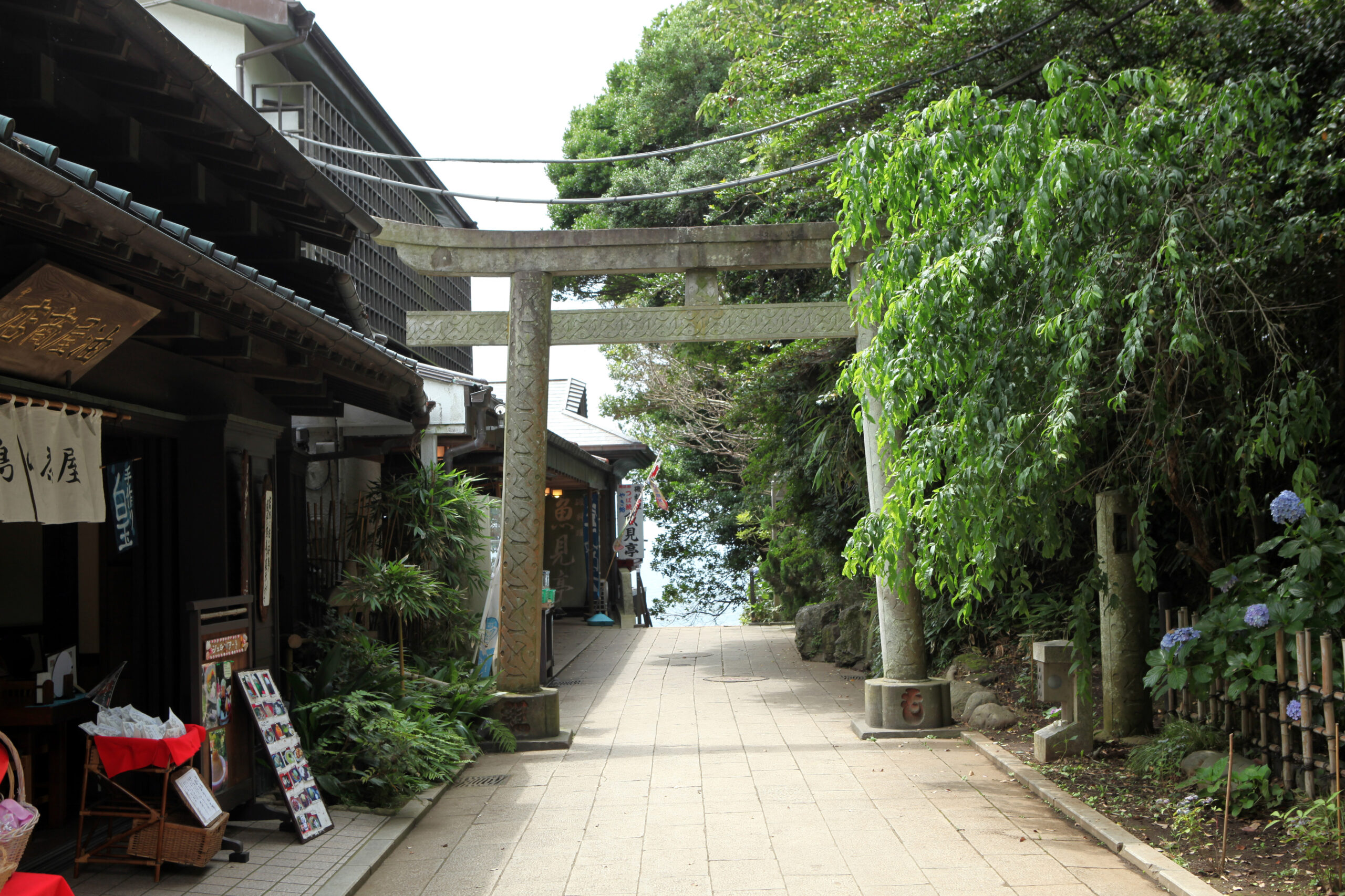
Oiwayamichi Street (御岩屋道通り)
A Sudden Chase: Reclaiming a Smartphone
After buying a steamed bun, Mu-hee suddenly realizes she still has Ho-jin’s smartphone and rushes to find him. The scene unfolds along Oiwayamichi Street, a stone-paved path leading from Okutsumiya at Enoshima Shrine to the Iwaya Caves. Lined with stone monuments and lanterns marking centuries of pilgrim traffic, this path winds toward the island’s innermost point. In contrast to the lively Nakamise Street, Oiwayamichi is hushed and contemplative, the perfect setting for Mu-hee’s quiet urgency. A highlight of any Enoshima walk.
Goryo Shrine (御霊神社)
The Iconic Shot: An Enoden Train Crosses Before a Torii
The scene where Mu-hee catches up to Ho-jin and returns his phone is set against the unforgettable image of an Enoden train crossing in front of Goryo Shrine’s white torii gate. This is among the most iconic shots in the entire series. Korean media identified the location as one of the drama’s principal filming sites in reports referencing the Asahi Shimbun. Dedicated to the Heian-era warrior Kamakura Gongoro Kagemasa and affectionately known locally as “Gongoro-sama,” Goryo Shrine has long been a beloved photography spot for the interplay between hydrangeas and passing trains in the rainy season.
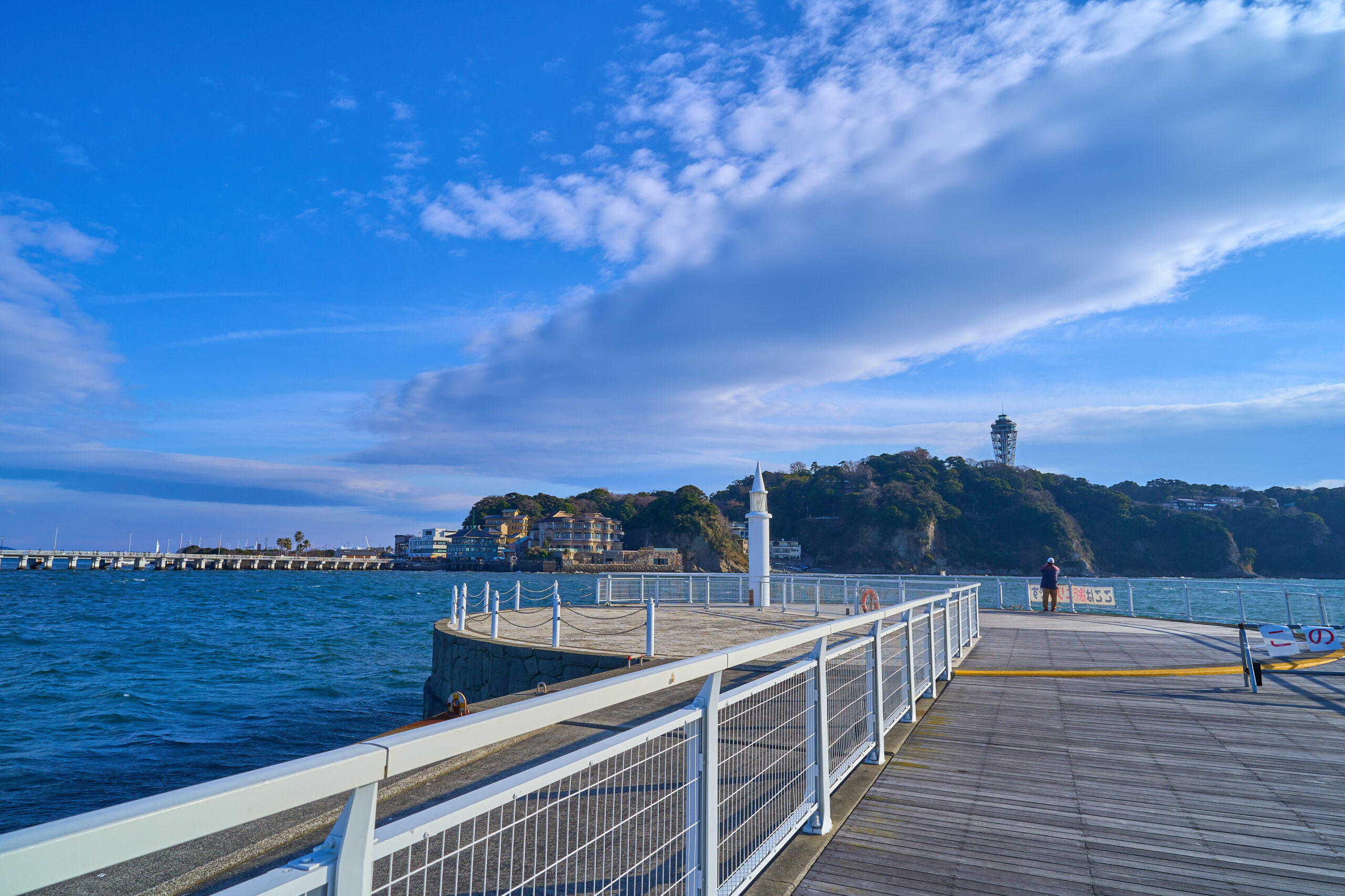
Katase Fishing Port White Lighthouse (片瀬漁港・白灯台)
Side by Side on a Sunset Bench
The white lighthouse at the end of the breakwater at Katase Fishing Port is where Ho-jin and Mu-hee sit quietly side by side at sunset, with Mount Fuji rising in the distance. In this scene, Mu-hee captures Ho-jin’s profile on her phone, a photograph that later becomes the thread weaving their reunion. Korean drama fans now call this spot an “insashot meongso” (a place for a once-in-a-lifetime shot). It is one of the rare vantage points where Enoshima island and Mount Fuji align in the same frame, with sunsets so still they make you hold your breath.
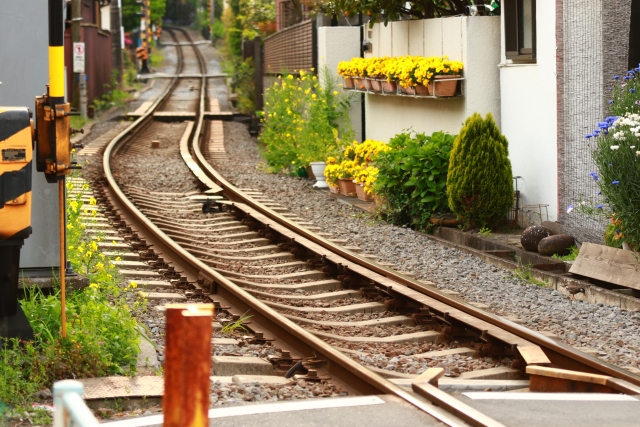
Railway Crossing near Hase Station (長谷駅近くの踏切)
The Enoden Passes, and He Disappears
Two minutes from Hase Station, in front of Tanaka Barber Shop, lies a small railway crossing. As Ho-jin and Mu-hee search for somewhere to eat, Mu-hee tells him to go ahead. An Enoden train passes between them for a single moment, and when it clears, Ho-jin has vanished. This climactic scene of Episode 1 has drawn fans from around the world. The crossing offers a rare composition of Enoden tracks, residential homes, the sea, and Mount Fuji in a single frame. Located along a working residential road, visitors are kindly asked to respect local residents. Kamakura City has installed multilingual notice signs at the site.
Enoshima Sea Candle (江の島シーキャンドル)
The Lookout Where He Searched for Someone
Standing within Enoshima’s Samuel Cocking Garden, the Sea Candle observation tower is where Ho-jin searches for his first love, Shin Ji-seon. His solitary silhouette gazing over the sea from the upper deck embodies the long, quiet yearning that unfolds from Episode 2 onward. From 100 meters above sea level, the 360-degree panorama takes in Yokohama Landmark Tower, Mount Fuji, and even the Izu Peninsula, making this one of Shonan’s premier viewpoints. After sunset, the tower is illuminated, revealing an entirely different face. An essential stop on any visit to Enoshima.
Inamuragasaki Park (鎌倉海浜公園稲村ヶ崎地区)
A Cape with a View, A Memory of Two
The Inamuragasaki District of Kamakura Seaside Park serves as the backdrop for the flashback scenes of Ho-jin and Ji-seon. The setting where Ji-seon hands him a protective charm before their journey together becomes the origin point of Ho-jin’s long, unrequited love. The cape extends into Sagami Bay, offering rare views of both Mount Fuji and Enoshima in a single sweep. Designated among Kanagawa’s 50 Scenic Spots and the 100 Best Mount Fuji Views in the Kanto region, the location also carries the legend of Nitta Yoshisada’s 14th-century assault on the Kamakura Shogunate. The area is also known as one of the birthplaces of Japanese surfing.