Ichijo Ekan Sanso Villa (一条恵観山荘)
What Is Ichijo Ekan Sanso (一条恵観山荘)? — History and Origins
Ichijo Ekan Sanso (一条恵観山荘) is a mountain villa built in the mid-17th century, early in the Edo period, by Ichijo Ekan (一条恵観), the ninth son of Emperor Go-Yozei (後陽成天皇), who twice served as regent (sessho and kanpaku). It stood in Nishigamo (西賀茂), Kyoto, as a detached building of the Ichijo family’s second residence, and a record shows that a tea gathering was held here in the mid-17th century. Ekan designed the building himself; its name as a National Important Cultural Property is Kyu Ichijo Ekan Sanso (旧一条恵観山荘). Besides waka poetry and the tea ceremony, Ekan was versed in flower arranging and in performing arts such as Noh, Kyogen and puppet plays.
The villa later passed to the Daigo (醍醐) family and was moved from Kyoto to Jomyoji (浄明寺), Kamakura, in 1959. Its garden stones, karesansui (枯山水, dry landscape garden) and stepping stones were moved with it and set out as they had been in Kyoto. The building was designated a National Important Cultural Property in 1964, and the garden has been open to the public since 2017. It is managed by the Ichijo Ekan Sanso Foundation.
Highlights — A Thatched Villa and a Garden Brought from Kyoto
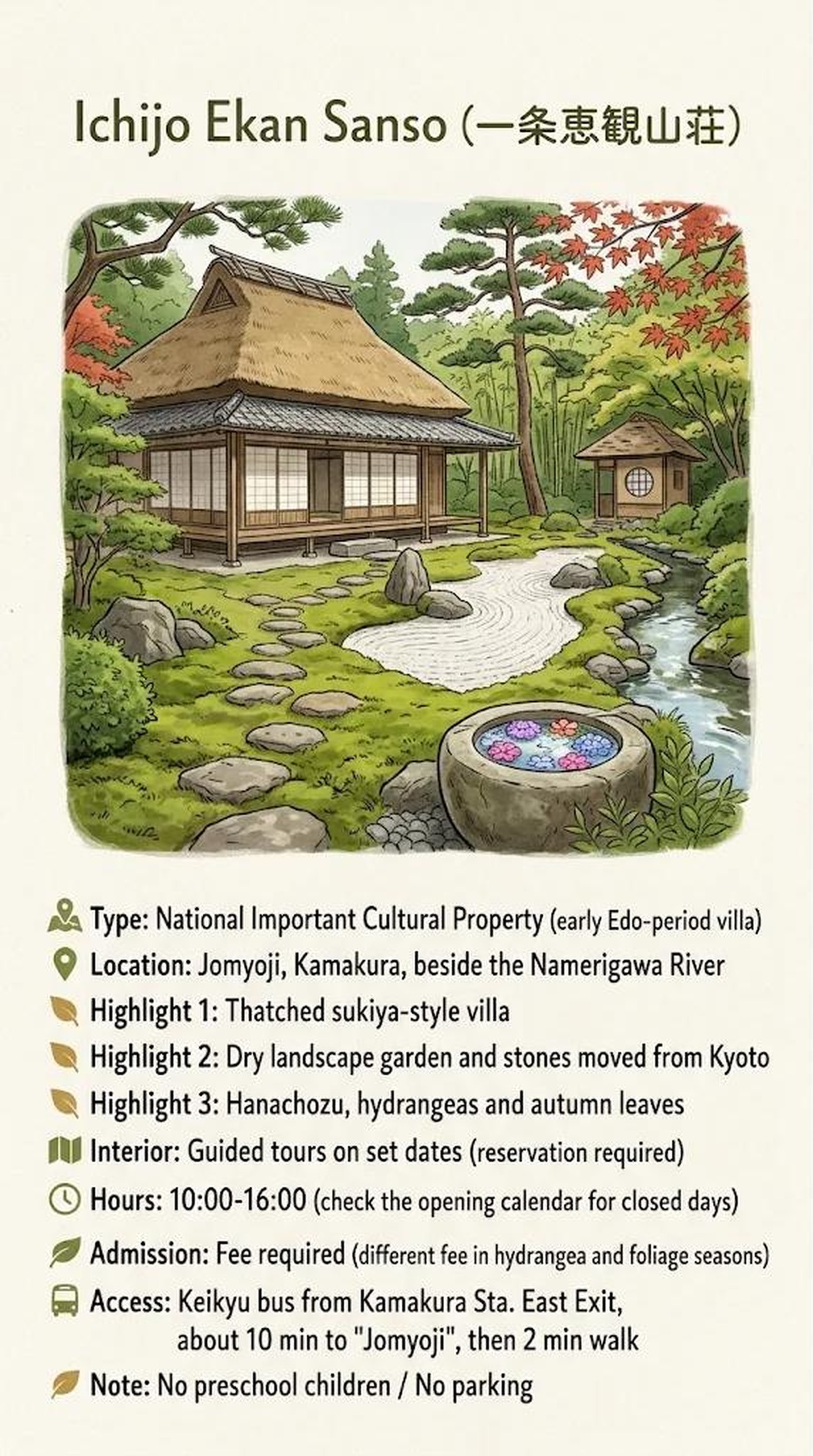
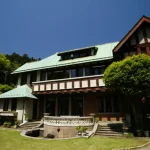
The villa is a single-storey building with a hip-and-gable (irimoya) roof. The roof is thatched, its lower part is tiled, and the eaves on the north and south sides are covered with wooden shingles. The exterior is plain, like a country house, but the shoji and fusuma sliding doors inside show fine craftsmanship, the roof has a three-layer structure, and each room has a different ceiling finish. The paintings on the cedar doors (sugido-e) record the culture of the imperial court of the time, and the first room has a cedar-door painting of a puppet show, a forerunner of Bunraku. The Agency for Cultural Affairs describes the building as a fine example of early Edo-period sukiya-style architecture.
Modern sukiya-style buildings surround the villa, and around them spreads a stroll garden of moss and garden stones. The Namerigawa River (滑川) flows right beside the garden, and along the riverside path you can hear the stream and birdsong. Japanese maples, red pines, bamboo and moss shape the scenery, and the garden includes the dry landscape garden, an arbor, the Miyuki-mon (御幸門) gate, the Kogetsuan (江月庵) tea house beyond the Amigasa-mon (編笠門) gate, and the Shigure (時雨) tea room with its round window. Hanachozu, water basins decorated with seasonal flowers, are placed around the garden, and the arrangements change with the season.
Experiences, Café and Food
The interior of the villa is open only on guided tours. Tours are held on set dates, take about 50 minutes, are first come, first served with advance reservations, and cost extra on top of admission. If there are places left, you may be able to join on the day. The guide explains Ekan’s life, the sukiya design and the background of the cedar-door paintings, as well as etiquette such as not stepping on the edges of the tatami mats. Looking out at the garden from inside the villa is something only the tour offers. Tour dates are announced on the official website.
Along the Namerigawa inside the grounds there is a café where every seat looks out on the garden. It serves seasonal wagashi with matcha and other sweets, and sometimes meals such as a soba set. The café’s name, menu and opening period change over time, and it is sometimes open only for limited periods, so check the official website before you go. Admission to the garden is required to use the café. A water fortune, in which writing appears when a paper slip is dipped into the stone basin at Kogetsuan, has also been offered; check the official website for whether it is currently available.
Access and Opening Hours
From bus stop 4 at the East Exit of JR Kamakura Station (鎌倉駅), take a Keikyu bus for about 10 minutes, get off at the Jomyoji (浄明寺) stop and walk about 2 minutes. The entrance is on the Kanazawa Kaido (金沢街道) road. There is no parking, so please use public transport.
The garden is open from 10:00 to 16:00 (last entry 15:30); in some years it opens at 9:30 during the autumn-foliage season. Closing days vary by season, and the garden is closed in summer, over the New Year holidays and on event or private-hire days, so check the official opening calendar before visiting. Admission is higher during the hydrangea and autumn-foliage seasons than at other times. Preschool children cannot enter, even in strollers or baby carriers. The site is not barrier-free, and the garden has steps, gravel areas and stepping stones.
Best Times to Visit
In early summer, mountain hydrangeas bloom first, followed by Western hydrangeas and Annabelle hydrangeas, and the hanachozu are filled with hydrangea flowers. In autumn, the leaves start turning near the entrance courtyard and the color moves toward the garden in front of the villa; the whole garden usually peaks from late November to early December. The hydrangea and foliage seasons bring many visitors, and you may have to wait for a seat at the café. In winter and on rainy days there are fewer visitors, and you can walk quietly while listening to the river. The moss looks especially vivid after rain.
If you stay at Toshi’s Place, you can visit Hokokuji Temple (報国寺) or Jomyoji Temple (浄妙寺) before breakfast or in the evening and walk the garden of Ichijo Ekan Sanso during the day.
Nearby Spots — Explore on Foot
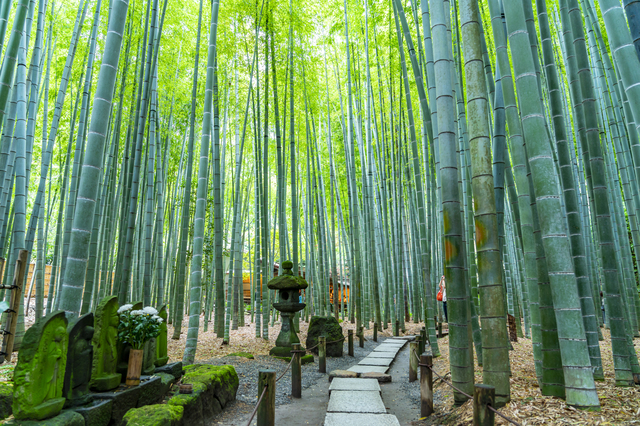
Hokokuji Temple, known for its bamboo grove, and Jomyoji Temple, fifth of Kamakura’s Five Great Zen Temples, are nearby and can be visited on foot. Other spots within walking distance are introduced in “Nearby Highlights” at the bottom of this page.
Recommended For
- Those interested in Kyoto court culture and sukiya-style architecture
- Visitors who want to see the inside of a cultural property with a guide
- Anyone who wants to walk a garden with hanachozu, hydrangeas or autumn leaves
- Travelers exploring eastern Kamakura together with Hokokuji and Jomyoji temples
Wrap-Up
Ichijo Ekan Sanso is a National Important Cultural Property: a villa built in Kyoto in the early Edo period by a son of the emperor, moved to Kamakura together with its garden stones and dry landscape garden. You can see the thatched villa, the stroll garden along the Namerigawa and hanachozu that change with the seasons, and the interior is open on guided tours on set dates.
Basic Information
| Item | Details |
|---|---|
| Name | Ichijo Ekan Sanso (一条恵観山荘); Important Cultural Property name: Kyu Ichijo Ekan Sanso (旧一条恵観山荘) |
| Address | 5-1-10 Jomyoji, Kamakura, Kanagawa |
| Highlights | Early Edo-period villa designated an Important Cultural Property (thatched roof, sukiya style); dry landscape garden and garden stones moved from Kyoto; stroll garden along the Namerigawa River; hanachozu; hydrangeas and autumn leaves |
| Things to Do | Garden walk; hanachozu viewing; guided tour of the villa interior (set dates, advance reservation); café (check the official website for opening periods) |
| Hours | 10:00–16:00 (last entry 15:30); in some years opens at 9:30 in the autumn-foliage season |
| Visit Duration (Estimate) | About 30 min (quick: 15 min / thorough: 60 min) |
| Admission | 700 yen (1,000 yen in the hydrangea and autumn-foliage seasons; dates announced officially); same price for adults and children. Villa interior tour 1,500 yen (admission separate; on set days, advance reservation required) |
| Closed | See the opening calendar (closed in summer, over the New Year holidays and on event or private-hire days) |
| Notes | Preschool children not admitted (including in strollers or baby carriers) / Not barrier-free (steps, gravel, stepping stones) / No parking; use public transport / Interior open only on guided tours on set dates (reservation required) |
| Restrooms | Near the reception |
| Official Website | https://ekan-sanso.jp/ |
Google Map
Audio Guide
Nearby Highlights
Upcoming Events at Ichijo Ekan Sanso Villa
Upcoming events at Ichijo Ekan Sanso Villa, listed by date.
- Ichijo Ekan Sanso Building Tour Special Openings Sat, Nov 21, 2026, 10:15 AM – Sat, Dec 5, 2026, 2:50 PM
A guided tour inside Ichijo Ekan Sanso, a National Important Cultural Property usually seen only from outside, held on set dates (about 50 minutes).