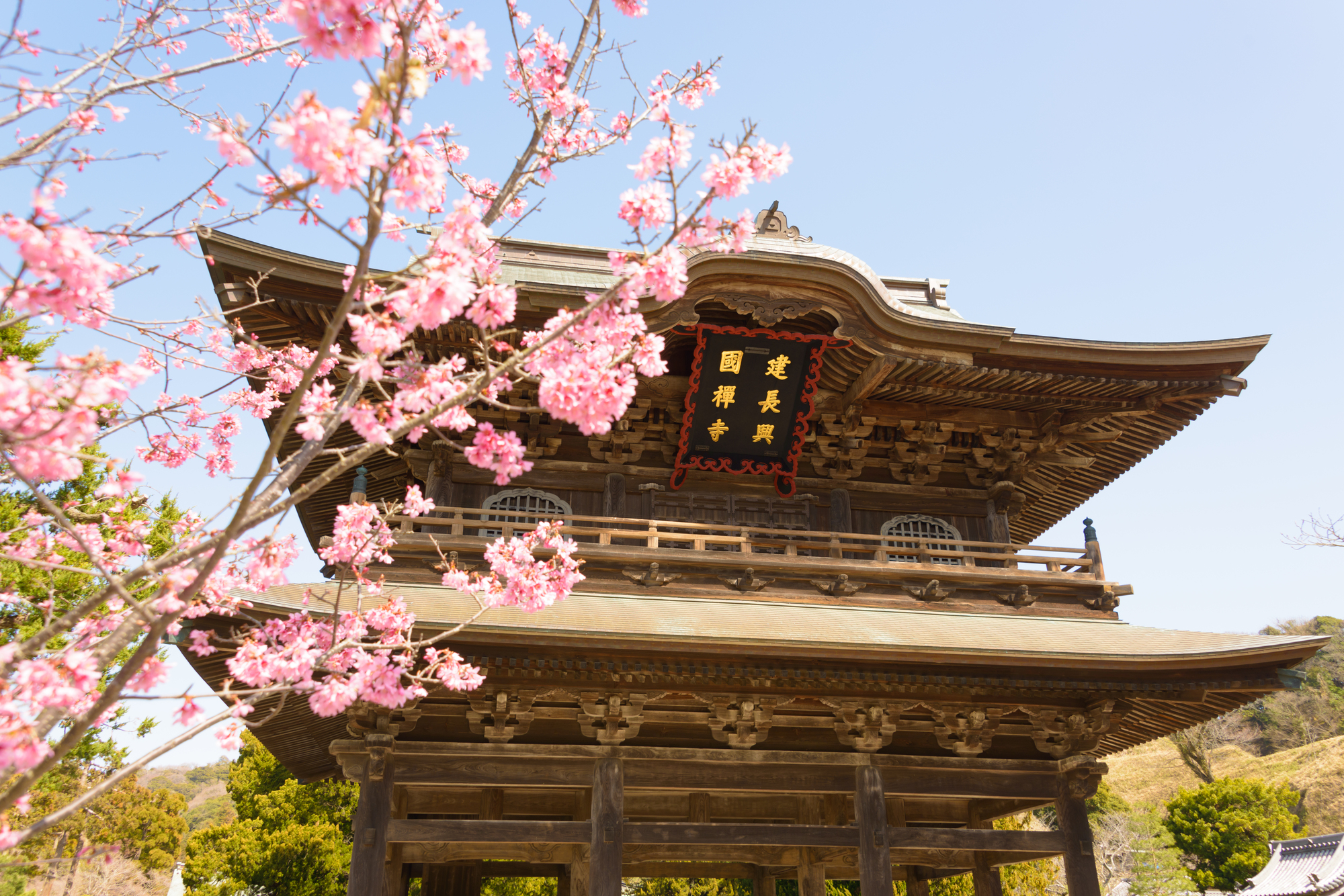
Tokeiji Plum Blossoms (東慶寺)
The Charm of Tokeiji’s Plum Blossoms
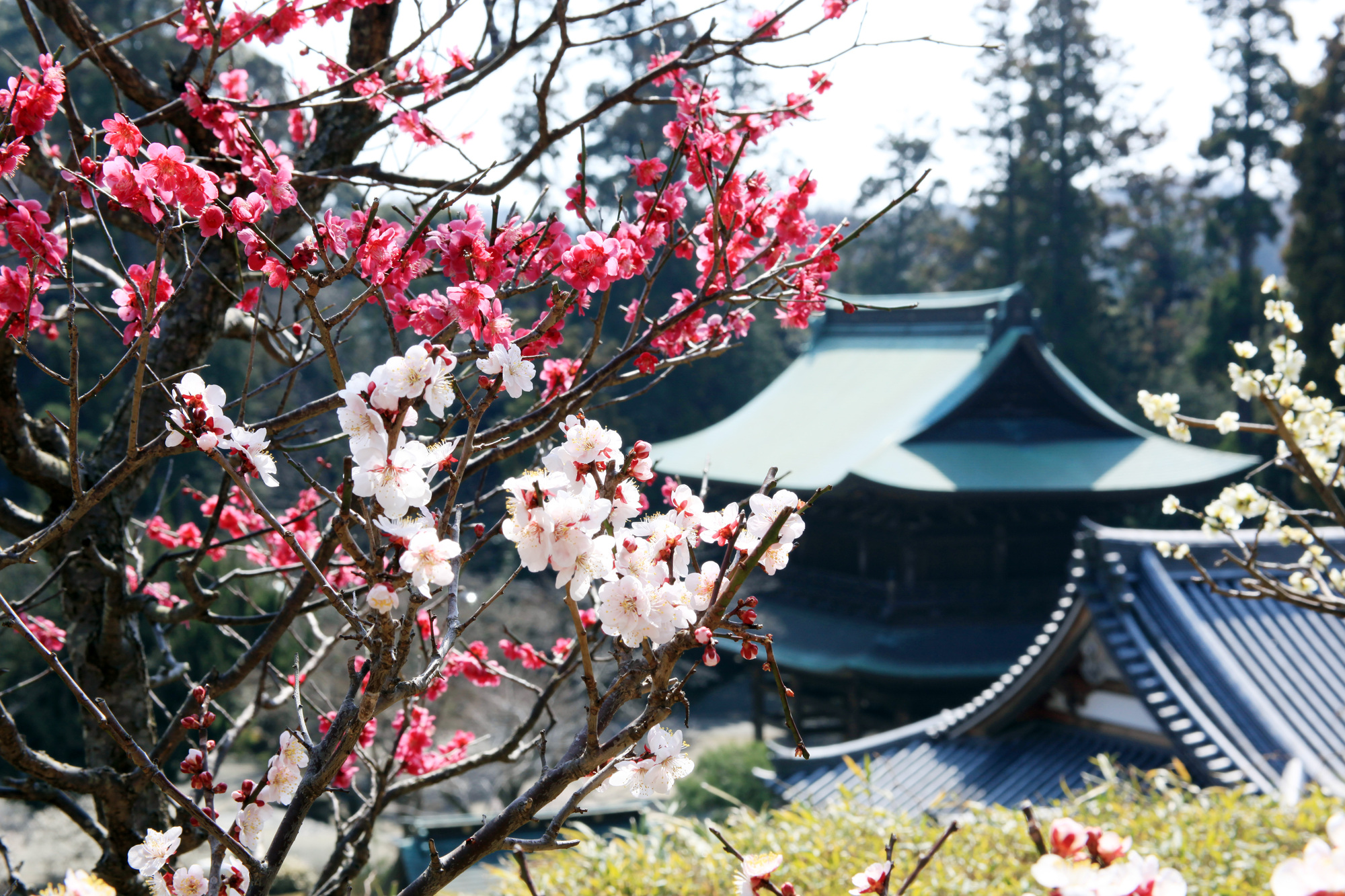
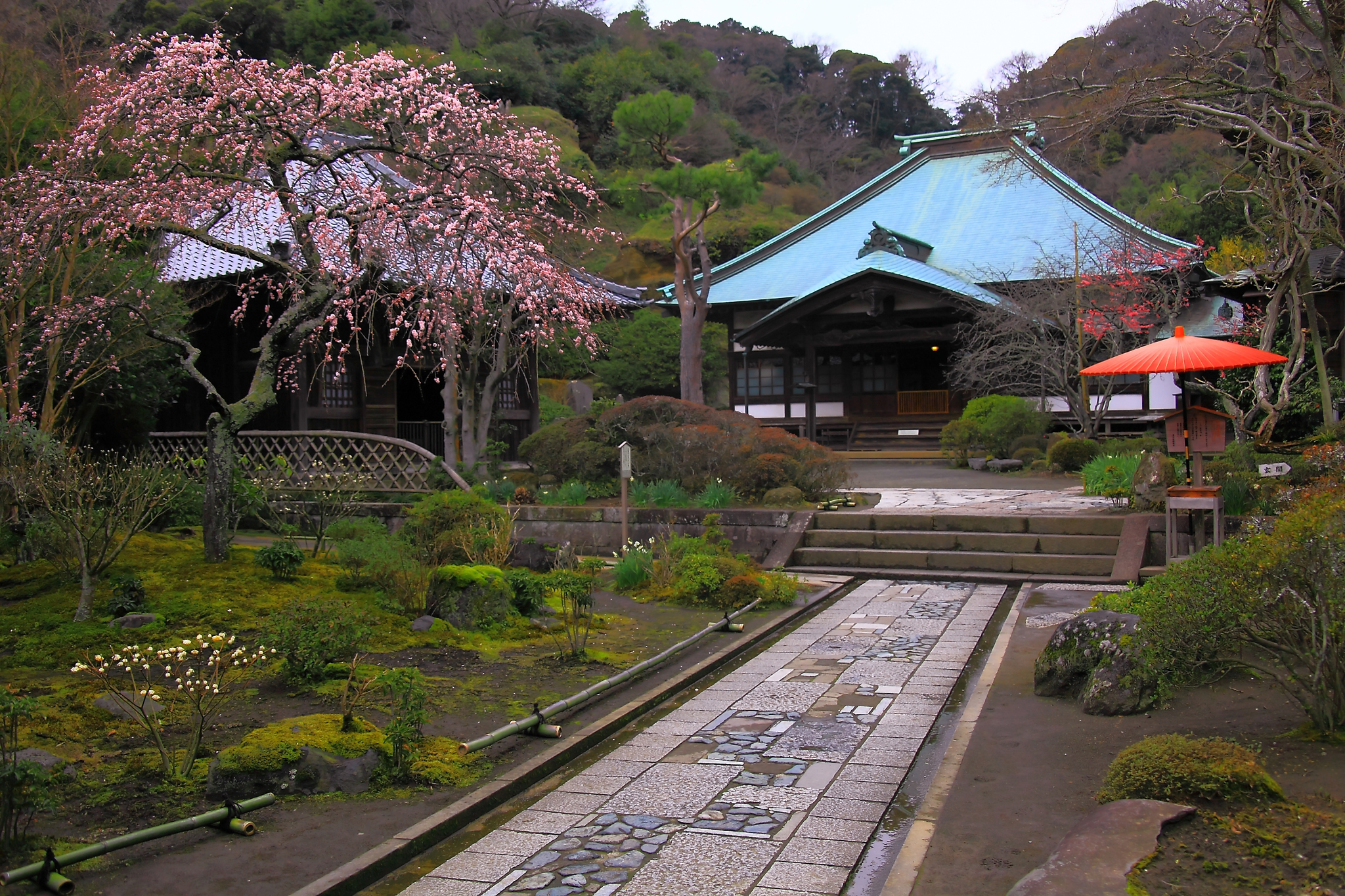
Tokeiji Temple is home to approximately 120 red and white plum trees that line the approach and fill the temple grounds. When in full bloom, they create a breathtaking tunnel of blossoms. The striking contrast between the vivid plums and the dark wooden fences enhances the picturesque scenery, welcoming visitors with the essence of spring.
History and Background
Tokeiji Temple, founded in the late 13th century, is a historic site known for its beautiful plum blossoms. The blooming season begins in mid-January, reaching its peak from late February to early March, when the entire temple grounds are covered in vibrant blossoms. As visitors pass through the temple gate, they are greeted by a fragrant tunnel of red and white plums that set a serene atmosphere.
Best Time to Visit and Highlights
- Late January to Early February: Plum trees near the temple gate bloom earlier than others, offering a first glimpse of spring.
- Late February to Early March: The approach transforms into a vibrant tunnel of red and white plum blossoms at their peak.
- Mid-March: Kawazu cherry blossoms begin to bloom, creating a stunning mix of plums and cherry blossoms.
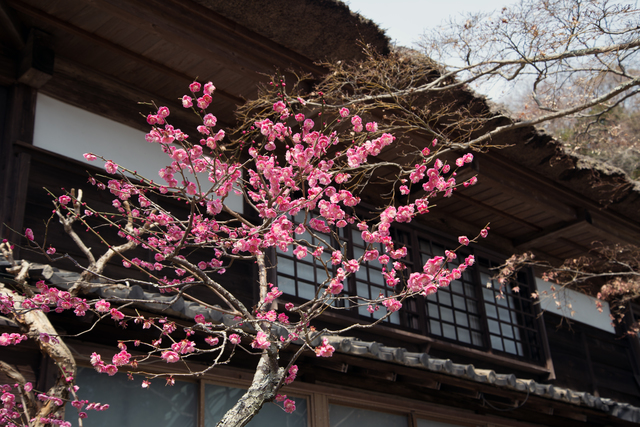
The contrast between the dark wooden fences and the delicate white plums near the temple office adds to the temple’s charm. Further inside, visitors will find Matsugaoka Treasure House, which is open for viewing during designated hours.
Other Flowers to Enjoy Alongside the Plums
During the plum season, visitors can also admire weeping plums and magnolias, adding a variety of colors to the scenery. Kanzan plums, known for their deep pink hues, begin blooming from late January to early February, signaling the start of early spring.
Photography and Visiting Tips
- DSLR cameras and tripods are not allowed, but digital cameras with zoom functions can capture the beauty of the scenery.
- Fewer crowds make for a peaceful visit, allowing visitors to take in the blossoms at their own pace.
- Just a 1-minute walk from Kita-Kamakura Station, making access incredibly convenient.
Conclusion
On clear days, the contrast between the blue sky and white plum blossoms is particularly striking, enhancing the beauty of Tokeiji Temple’s seasonal charm. When visiting Kamakura, don’t miss the opportunity to experience the breathtaking plum blossoms and the tranquil atmosphere of this historic temple.
Toshi’s Evaluation (2026)
| Evaluation Category | Score | Reason |
|---|---|---|
| Scenery | 10 | Around 120 red and white plum trees line the approach and temple grounds, creating a photogenic scene of plum tunnels contrasted against black fences and temple buildings at full bloom. |
| Accessibility | 9 | Just a 3–4 minute walk from JR Kita-Kamakura Station (北鎌倉駅), with an easy-to-follow route. However, it falls slightly short of a perfect score due to limited signage and guidance information. |
| Historical Value | 9 | Founded in the late Kamakura period, this temple is nationally known as a refuge for women seeking divorce or sanctuary. It holds high historical and cultural value, though its name recognition is slightly lower than major temples in Kyoto. |
| Comfort | 7 | While peak bloom season brings crowds that reduce overall comfort, the grounds are well-maintained with basic amenities in place. Outside the season, it offers a calm and pleasant experience. |
| Reviews | 9 | Online ratings average around 4.5, with many praising the peaceful atmosphere and beautiful blossoms. Some reviews mention limited flower volume or restrictions on photography as minor drawbacks. |
Total Score: 44
Overall Evaluation:
The plum blossoms at Tokei-ji Temple (東慶寺) in Kita-Kamakura (北鎌倉) offer an outstanding visual experience, where red and white plum trees along the temple path harmonize beautifully with historic buildings and black wooden fences. Despite some crowding and photo restrictions, its strong balance of accessibility and historical depth makes it a top recommendation for visitors to Kamakura (鎌倉) during plum season—especially those seeking an authentic and picturesque spring experience in Japan.