Nami to Kaze (割烹・蕎麦 波と風)
What is Nami to Kaze? A Husband-and-Wife Kappo Restaurant in Hase
Nami to Kaze (割烹・蕎麦 波と風) is a small Japanese restaurant in Hase, Kamakura, run by a married couple: Fu Shibayama, a Japanese cuisine chef, and Haruna Shibayama, a bartender. It sits about a five-minute walk from Hase Station on the Enoden line, along the main street heading toward the Great Buddha.
The name comes from the couple themselves. “Nami” (wave) and “kaze” (wind) are each taken from one character in their given names. They opened in November 2014 and have run the restaurant together ever since.
Finding it takes a moment. On the busy tourist street, look for a staircase framed by vertical wooden slats. A small white andon (a paper-shaded lantern used as a traditional Japanese signboard) marks the entrance. Climb the stairs and you will find a white noren curtain hanging at the door. The restaurant is on the second floor of a building called Shin-Wajinkan. Because there is another soba restaurant across the hall on the same floor, check for the lantern and the white curtain before you enter.
The Food: Seasonal Courses Ending with Handmade Soba
Both lunch and dinner are omakase courses, where the chef decides the menu. A meal begins with a small appetizer and moves through sashimi, a clear soup, a grilled dish, and a simmered dish, following the season.
Ingredients arrive from across Japan. Winter brings a course built around wild fugu (pufferfish). Autumn brings dobin-mushi, a delicate broth steamed and served in a small teapot. Summer brings vegetables from Hokkaido, where the proprietress grew up. The menu changes with the seasons, so no two visits are quite alike.
The course ends with the restaurant’s signature dish: handmade juwari soba, buckwheat noodles made from one hundred percent buckwheat flour with no wheat binder. The soba is served cold as standard, with grated spicy daikon radish alongside. A warm version in a generous broth is also available. If you would prefer a smaller portion, say so.
After the soba comes sobayu, the hot water the noodles were cooked in. Here it arrives thick and cloudy, because the trimmings from cutting the dough are dissolved into it. A separate vessel lets you dilute it to your own taste.
How It Works: Reservations Required, Lunch and Dinner
Nami to Kaze takes reservations only, for both lunch and dinner. This is not a place to stop in for a quick bowl of noodles during a walk.
The meal is a course, and several seasonal dishes come before the soba arrives. Plan on settling in for a while.
Reservations are easiest through Tabelog, the Japanese restaurant listing site, where you can also see current availability. If the online calendar shows no openings, it is still worth calling; seats sometimes remain that are not listed online. The restaurant also accepts reservations by phone and by social media message. Email reservations are not accepted. Cancellation fees begin three days before the reservation date. The dinner menu is a single 15,000-yen course, plus a 10% service charge.
The Space: Seven Counter Seats and a Few Tables
The restaurant seats seven at the counter, plus a small number of tables.
Inside, a long counter of pale wood faces both the kitchen and the bar. It is made from ginkgo, soft to the touch, and its color has deepened over the years.
The chef works at the open kitchen at the far end; the proprietress mixes drinks at the bar nearer the entrance. From your seat you can watch both. On the wall behind the counter hangs a carving of a wind god and a wave, made as a hobby by the master of the restaurant where the chef trained, and given to the couple.
A stone mill sits in one corner of the room. It runs every morning. The chopsticks are birch, made by a craftsman in nearby Yokosuka, chosen because the wood makes soba easier to eat.
The restaurant stands in the middle of a tourist district, but with the door closed the noise falls away. Visitors often mention how quiet it is. The entire restaurant is non-smoking.
The Craft: Buckwheat Milled in the Restaurant
The buckwheat comes mainly from Miyoshi in Saitama Prefecture. It is milled in a custom stone mill on the premises and cut fresh according to the day’s reservations. That is why the mill in the corner runs each morning.
Juwari soba, made without wheat flour, has a reputation for being crumbly. Guests here consistently remark that it is not.
The chef explains where ingredients come from and how each dish was prepared as he serves. This is not a restaurant where plates arrive in silence.
Drinks: A Kappo Restaurant with a Bar
Drinks are the proprietress’s domain: sake, shochu, Western spirits, and cocktails. The selection is extensive, and you can leave the pairing to her if you like.
Having a different glass chosen for each dish is how the restaurant works. It is a Japanese restaurant with the workings of a bar, and the combination of kappo cuisine and cocktails is uncommon. Some regulars come for that pairing alone.
The proprietress has won a national cocktail competition in Japan. If you order only one drink before the meal, make it a dry martini. The glass arrives cold, and it is worth the trip on its own. She is from Nayoro in Hokkaido and stocks sake from there.
Getting There and Opening Hours
From Hase Station on the Enoden line, walk about five minutes along the main street toward the Great Buddha; the restaurant is on your right. From the Daibutsu-mae bus stop it is about two minutes on foot. There is no dedicated parking, but coin parking is available across the street and nearby.
Opening hours
- Weekdays: 5:30 p.m. to 10:00 p.m. (last order 9:00 p.m.), dinner only
- Saturdays and Sundays: 12:00 p.m. to 2:00 p.m. (last order 1:30 p.m.), and 5:30 p.m. to 9:00 p.m. (last order 8:30 p.m.)
- Closed on Mondays, with occasional longer closures
Cash, credit cards, and PayPay are accepted. Electronic money is not. Basic English is spoken.
The restaurant is on the second floor, but a stairlift is installed. If stairs are difficult, mention it when you reserve. Wheelchair access is possible. Children are welcome; strollers can be brought inside and baby food may be brought in. A separate children’s menu is available on request. Guide dogs and other service animals are welcome; other pets are not. Tell the restaurant about allergies or ingredients you avoid when you make your reservation.
When to Go
Lunch is served only on Saturdays and Sundays, which makes it easy to fold into a day of sightseeing after the Great Buddha or Hasedera Temple. Because reservations are required, book your seat while you are still planning the route.
Dinner is served on weekdays as well. Sit at the counter, drink your way through the courses one glass at a time, and finish with the soba. That is the restaurant as it is meant to be experienced.
This is where staying in Kamakura changes things. Most visitors come from Tokyo for the day and spend the evening watching the clock for the last train. Stay the night and the evening opens up: you can take the meal at its own pace and walk back afterward. Toshi’s Place offers self-catering accommodation without meals, within walking distance of the restaurant.
Nearby Places
- Great Buddha of Kamakura
- Hasedera Temple
- Kosokuji Temple
- Amanawa Shinmei Shrine
- Yuigahama Beach
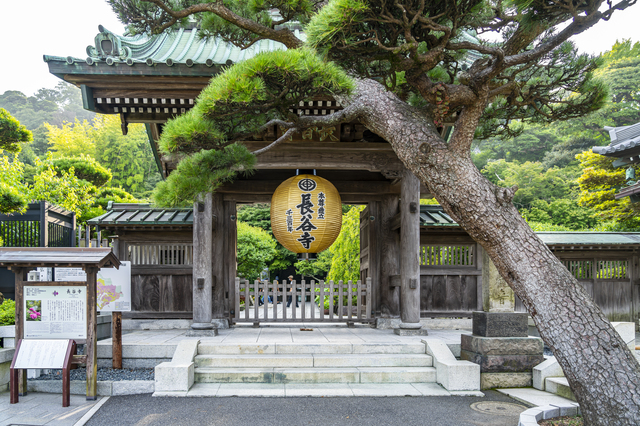
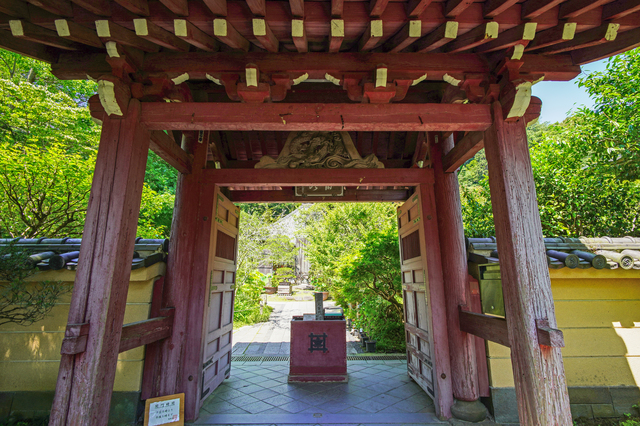
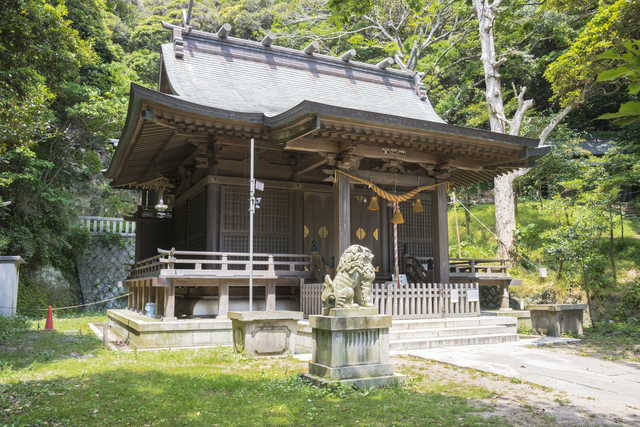
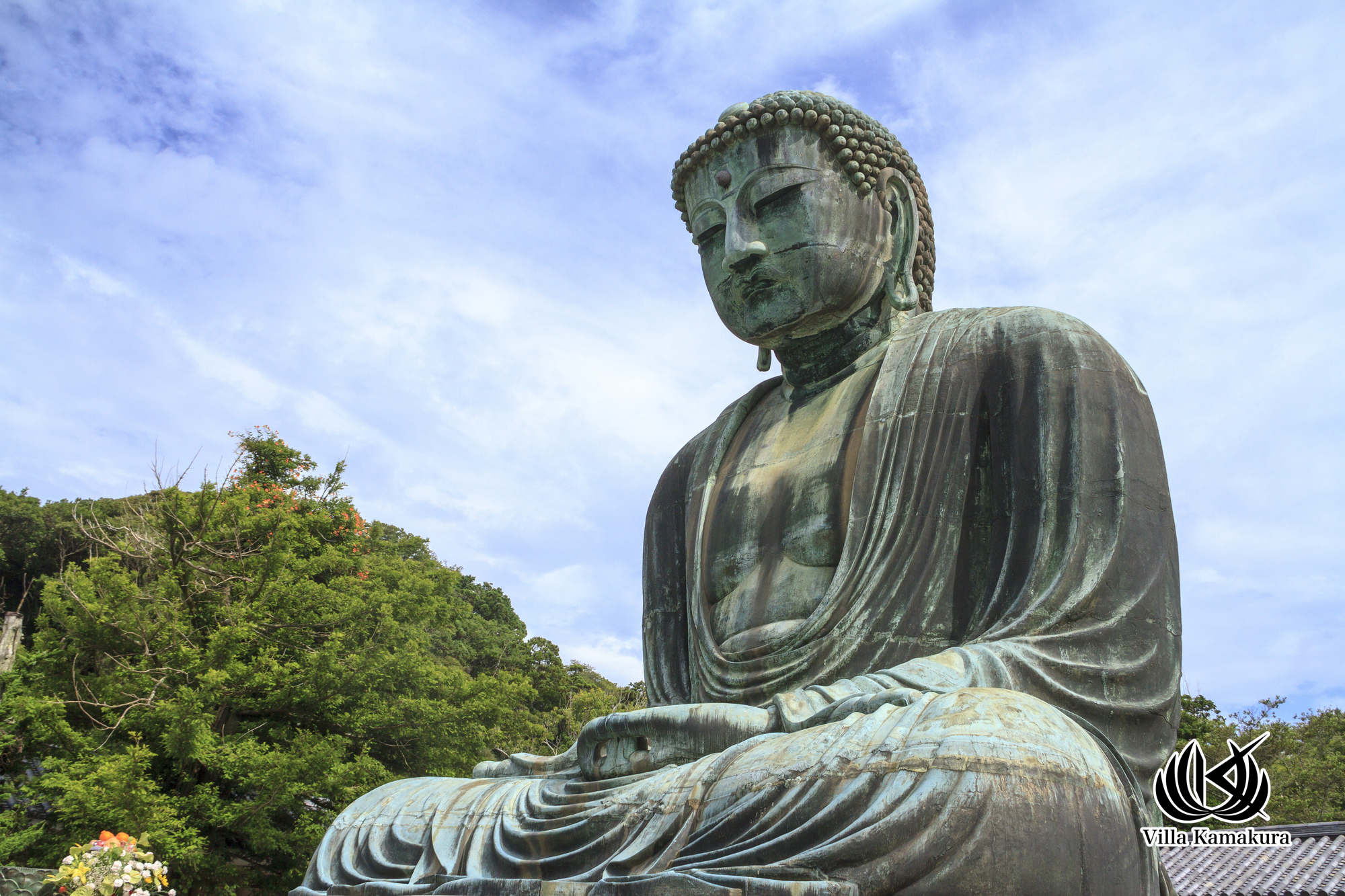
The Great Buddha of Kamakura, about two minutes away on foot, is a national treasure seated in the open air at Kotokuin Temple. Hasedera Temple, about five minutes away, is known for its eleven-headed Kannon statue and for grounds that climb a hillside; from the upper terrace you can see Yuigahama Beach. The beach itself is about a ten-minute walk.
Who This Restaurant Suits
If you enjoy drinking alongside your food, this is a rare opportunity. Having each dish paired with a different glass is uncommon in Japanese restaurants.
It also suits anyone who likes to watch food being prepared, or to talk with the people cooking it. If you would rather have a quiet conversation between two people, ask for a table instead.
Soba is what many people come for, but here it arrives at the end of a course. Keep in mind that this is not a soba shop where you drop in for a single bowl.
The restaurant is often chosen for anniversaries, and for the meal that closes a day in Kamakura.
In Summary
Nami to Kaze is a small restaurant in Hase run by two people. The chef builds a course from what is in season; the proprietress chooses what you drink with it. At the end comes soba, milled that morning in the corner of the room.
The restaurant sits in the middle of a tourist district, but inside it is quiet. Reservations are required for both lunch and dinner, so book once you have decided to go.
Stay overnight in Kamakura and you can follow the meal at its own pace, without an eye on the last train back. It is a way to close a day of walking.
Basic Information | Nami to Kaze
| Item | Details |
|---|---|
| Name | Nami to Kaze (割烹・蕎麦 波と風) |
| Address | Shin-Wajinkan 2F, 1-16-21 Hase, Kamakura, Kanagawa 248-0016 |
| Phone | 0467-95-1988 |
| Hours | Weekdays 5:30 p.m.–10:00 p.m. (LO 9:00 p.m.) / Sat & Sun 12:00 p.m.–2:00 p.m. (LO 1:30 p.m.), 5:30 p.m.–9:00 p.m. (LO 8:30 p.m.) |
| Closed | Mondays, with occasional longer closures |
| Cuisine | Japanese (kappo) and soba, omakase courses |
| Seating | Seven counter seats and tables |
| Reservations | Required for both lunch and dinner |
| Payment | Cash, credit cards, PayPay |
| Service charge | 10% |
| Accessibility | Stairlift installed; wheelchair access possible |
| Smoking | Non-smoking throughout |
| Parking | None; coin parking nearby |
| Website | namitokaze.xyz |
| Online reservations | Tabelog |